Water is one of those things we barely think about, yet it quietly shapes almost every part of daily life. You notice it only when something feels slightly off—a faint taste in your morning glass, a kettle that builds up scale too quickly, or a shower that leaves your skin feeling a bit different than usual.
And even then, most people don’t immediately connect the dots. It just becomes “one of those small home things” you learn to live with.
But behind all of that, there’s a whole invisible layer of systems and choices that affect what comes out of your tap.
When Water Starts Feeling “Not Quite Right”
Most households assume tap water is either safe or unsafe. But in reality, it’s more of a sliding scale. Water picks up minerals, traces of chemicals, and environmental elements on its journey through pipelines and storage systems. Some of it is harmless, some of it affects taste, and some of it slowly impacts appliances and comfort at home.
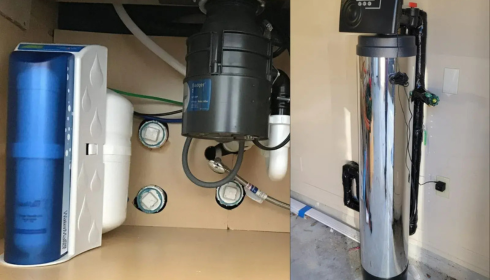
That’s where home water filtration quietly becomes relevant. It’s not about turning water into something fancy or overly processed—it’s about bringing it back to a clean, consistent baseline that feels right in everyday use.
What’s interesting is how subtle the improvement feels. You don’t suddenly “notice” filtered water every day. You just slowly stop noticing the problems you used to deal with. No odd smell. No lingering aftertaste. Just water that behaves the way you expect it to.
And honestly, that’s usually the best kind of improvement—one that fades into normal life.
The Invisible Science Behind Clean Drinking Water
There’s a strange thing about water—you only think about it deeply when something makes you pause. Maybe a change in taste. Maybe a report you read. Or sometimes just curiosity about what exactly is in your glass.
That curiosity is where water purification comes into the picture. It’s the process of removing unwanted particles, microorganisms, and contaminants so water becomes safer and more reliable for consumption.
But what often gets overlooked is how emotional this topic actually is. People don’t just want “safe water.” They want water that feels clean, tastes neutral, and doesn’t make them second guess every sip. That sense of trust is a big part of why purification matters in the first place.
And once people experience consistently purified water at home, it becomes hard to go back to uncertainty. Even small differences start to stand out more than they used to.
The Systems Working Quietly Behind the Tap
It’s easy to forget that water doesn’t just appear at your faucet by chance. It moves through layers of infrastructure, treatment plants, storage units, and household setups before it ever reaches your glass.
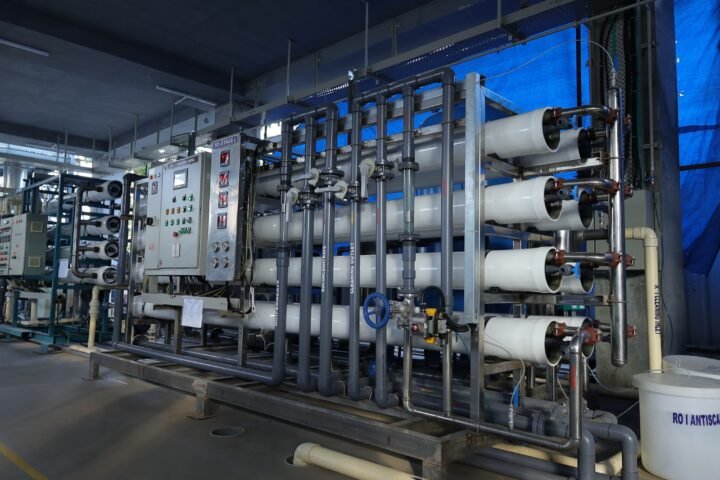
All of this is part of broader water systems that most people never really see. They’re designed to balance safety, pressure, distribution, and quality across entire communities.
But here’s the thing—once water enters your home, those larger systems stop being the whole story. Local pipes, storage conditions, and even household usage patterns start influencing how that water actually feels in daily life.
That’s why two houses on the same street can sometimes experience slightly different water quality. It’s not always obvious, but it’s there.
And when people start noticing those small differences, they usually begin looking for ways to bring consistency back into their own space.
Small Changes That Add Up Over Time
Water rarely changes in a dramatic way. It’s slow. Almost unnoticeable at first.
A bit more residue on glassware. Slight dryness after showers. Appliances needing cleaning a little more often than before. None of it feels urgent on its own, so it gets ignored.
But over time, those little things start stacking up. You adjust habits without realizing it—using more detergent, scrubbing more often, replacing filters more frequently.
It becomes part of normal life, even if it didn’t start that way.
And that’s the interesting part about water at home. It doesn’t demand attention. It just quietly influences everything around it.
Why Clean Water Feels Like Comfort, Not Just Safety
People often think of water quality in technical terms—filters, purification methods, treatment levels. But in real life, it’s more about comfort than anything else.
Clean water doesn’t just protect you. It simplifies things. It makes everyday routines smoother. Tea tastes predictable. Cooking feels consistent. Cleaning doesn’t feel like a constant battle against residue.
And when those small frictions disappear, you don’t really think about water anymore. It just becomes part of a comfortable home environment.
A Quiet Improvement You Only Notice in Hindsight
The strange thing about improving water at home is that you rarely notice the moment it changes. There’s no dramatic shift. No clear “before and after” feeling on day one.
Instead, it shows up later—in hindsight. When you realize you haven’t thought about bad taste in months. Or when cleaning takes less effort than it used to. Or when appliances just seem to last longer without explanation.
That’s when it clicks.
Better water doesn’t announce itself. It just quietly improves everything it touches.
And whether it comes through home water filtration, proper water purification, or understanding how larger water systems affect your home, the goal stays the same: less friction, more ease, and a daily life that feels just a little more effortless without you having to think about it.