Most of us don’t wake up thinking about the water running through the house. It’s just there, doing its job in the background. We turn on the shower, fill the kettle, run a load of laundry, rinse dishes, water the plants, and move on. Water is so ordinary that we only really notice it when something feels wrong.
Maybe the tap water has a strange taste. Maybe the shower glass always looks foggy. Maybe the laundry feels rough, or the sink keeps showing little white marks no matter how often it’s cleaned. These things are easy to brush off, especially when life is already full of bigger worries. But water has a quiet way of affecting the home, day after day.
When Water Problems Start Showing Up
Poor water quality does not always announce itself in a dramatic way. Sometimes it’s just a smell you can’t quite place. Sometimes it’s cloudy ice cubes, dry skin after showering, or mineral marks around a faucet. In other homes, the problem may be hidden deeper, inside pipes, water heaters, dishwashers, and washing machines.
That’s the tricky part. The water may look clear and still carry minerals, sediment, chlorine, or other elements that affect taste, comfort, and long-term maintenance. A glass of water might seem fine, but the house slowly tells another story.
This is why water testing matters. Guessing based on stains or taste alone can lead to the wrong fix. A proper test gives you a clearer picture of what’s actually in the water, and from there, the solution becomes much easier to choose.
Why Efficiency Matters More Than People Think
Modern water systems are not just about treating water. They are also about doing it without wasting more energy, salt, water, or money than necessary. That’s where high efficiency systems can make a real difference, especially in busy households where water is used constantly throughout the day.
An efficient system works smarter. It treats water based on need, not guesswork. Some systems regenerate only when required. Others are designed to reduce waste while still helping with hardness, taste, odor, or sediment concerns. Over time, those small savings can add up.
And honestly, efficiency is not only about the utility bill. It’s about convenience too. A system that runs smoothly, needs less attention, and supports the whole home without constant adjustment is simply easier to live with.
Every Home Has Its Own Water Story
Water problems are not the same everywhere. A home using city water may be dealing with chlorine taste or hardness. A well-water property may have iron, sulfur odor, sediment, or bacteria concerns. Some homes need help with scale. Others need better drinking water. Some need both.
That is why custom water solutions are often more practical than one-size-fits-all systems. A family of five, a small apartment, and a rural home with a private well all use water differently. The system should match the water source, plumbing setup, household habits, and actual test results.
It’s a bit like buying shoes. The most expensive pair is not automatically the right pair. The right fit matters more. A good water system should feel like that — chosen for the home, not pulled randomly off a shelf.
The Daily Benefits Are Often Simple
People sometimes expect water treatment to feel like a huge upgrade. And in some ways, it can. But the benefits are usually quieter and more everyday.
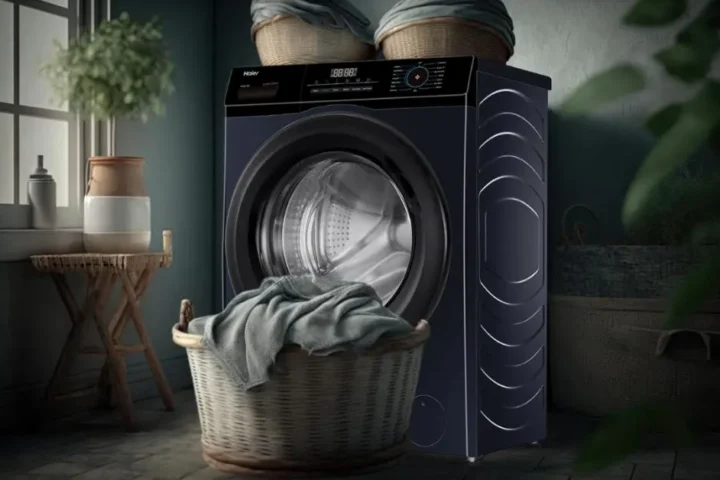
The coffee tastes cleaner. The shower feels better. Soap rinses more easily. Glassware looks clearer. The washing machine doesn’t seem to fight so hard against minerals. Faucets stay cleaner for longer. These are small details, sure, but homes are made of small details.
Over time, those improvements can change how a house feels. Cleaning becomes a little less frustrating. Appliances may run with less mineral stress. Family members may drink more water simply because it tastes better.
Better Water Supports the Whole Home
Good water is not just about drinking. It touches almost every routine. Cooking, bathing, laundry, cleaning, heating, and even the lifespan of household appliances can all be affected by what is in the water.
That’s why better water quality should be seen as part of overall home care, not just a luxury upgrade. People spend money on kitchens, bathrooms, floors, paint, and appliances, but sometimes ignore the water moving through all of it. Yet that water can either protect those investments or slowly work against them.
A properly chosen system can help reduce mineral buildup, improve taste, reduce unwanted odors, and make daily water use more pleasant. It won’t magically solve every household issue, of course, but it can remove a surprising amount of everyday irritation.
Choosing the Right System Without Overcomplicating It
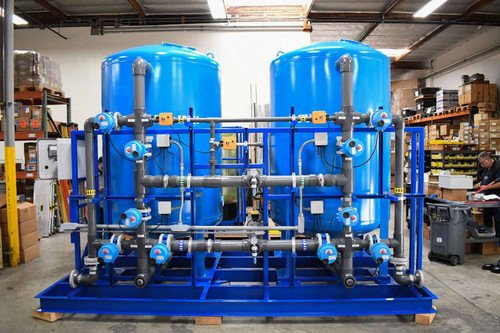
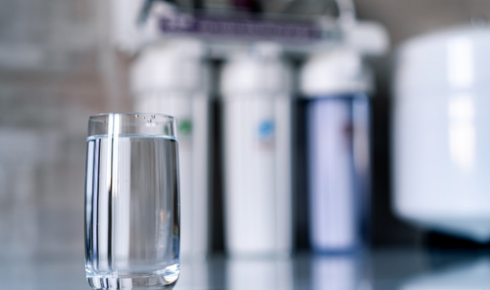
The best place to start is with a water test. Once you know what you’re dealing with, the next step is choosing equipment that solves the actual problem. That may mean a water softener, filtration system, reverse osmosis unit, sediment filter, UV system, or a combination setup.
A trusted water professional can help explain what’s necessary and what is not. That part matters, because homeowners don’t need oversized or overly complicated systems. They need something reliable, practical, and suited to their home.
A Quiet Upgrade That Pays You Back Daily
Water treatment is not the flashiest home improvement project. Nobody walks into a house and immediately compliments the filter system in the utility room. But they may notice the cleaner taste, the clearer dishes, the softer laundry, or the shower that finally feels right.
Good water works quietly. It improves the background of daily life. And sometimes, that’s exactly what a home needs — not a dramatic change, just fewer little annoyances and a bit more comfort every time the tap turns on.