Most people don’t wake up thinking about the quality of their water. They turn on the shower, start the coffee maker, run a load of laundry, rinse dishes after dinner, and that’s that. Water is just there, doing its quiet daily work in the background.
But when the water in a home is too hard, it starts leaving little reminders everywhere. A cloudy film on glasses. Soap that feels like it never quite rinses away. Towels that come out of the wash feeling stiff instead of soft. A showerhead with white crust around the edges. None of these things are dramatic on their own, but after a while, they become part of the house’s daily irritation.
That’s why many homeowners eventually start looking at water softening solutions. Not because they want something fancy or complicated, but because they’re tired of fighting the same problems again and again.
Why Hard Water Becomes a Household Nuisance
Hard water contains minerals, mainly calcium and magnesium, that naturally dissolve into water as it moves through soil and rock. These minerals aren’t unusual, and in many areas they’re simply part of the local water supply. The issue begins when those minerals build up on surfaces, inside appliances, and throughout plumbing systems.
You can usually spot the signs before you know the cause. Taps lose their shine. Shower glass turns spotty. Kettles and coffee makers develop scale. Shampoo doesn’t lather the way it should. Even after cleaning, the bathroom may still look a little dull, which is annoying when you know you just scrubbed it.
Over time, hard water can also make appliances work harder. Water heaters, dishwashers, washing machines, and other fixtures that use water every day may collect scale inside, reducing efficiency and possibly shortening their lifespan. It’s the kind of problem that doesn’t shout. It just slowly costs more effort, more cleaning time, and sometimes more money.
Laundry Tells the Story Quickly
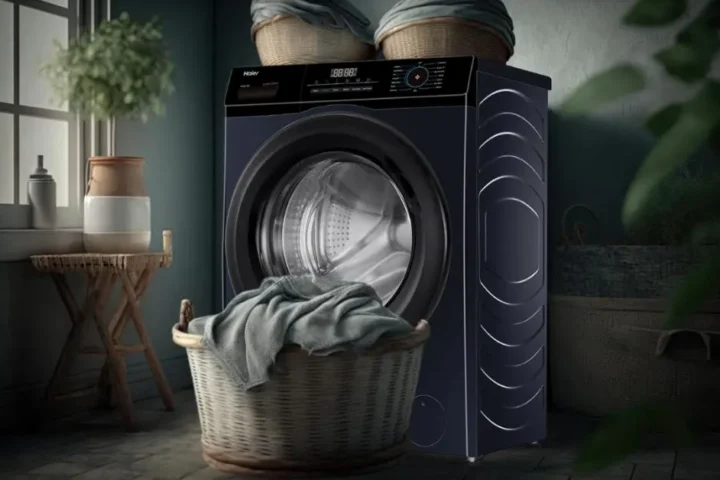
One of the first places many people notice hard water is in the laundry room. Clothes may come out feeling rough, faded, or not fully fresh. Towels can lose their softness. Whites may look slightly grey. You might add extra detergent, run longer cycles, or try different fabric softeners, only to get the same disappointing result.
Softer water can help detergent work more effectively because it doesn’t have to fight against mineral content. That can mean cleaner laundry, softer fabrics, and clothes that feel more comfortable against the skin. It’s a small everyday improvement, but anyone who loves a fresh towel or crisp bedsheet knows it matters.
For families with kids, pets, work uniforms, gym clothes, or lots of weekly washing, this can make a real difference. Laundry already takes enough time. It shouldn’t feel like a guessing game.
The Bathroom Feels Different Too
Bathrooms tend to show water problems faster than almost anywhere else. Steam, soap, shampoo, and mineral-heavy water all mix together, leaving residue on tiles, glass, taps, and fixtures. That residue can make surfaces look unclean even when they aren’t.
Softer water often makes bathing feel more pleasant. Soap rinses more cleanly. Shampoo spreads better. Skin may feel less dry after a shower, and hair can feel smoother because there’s less mineral residue left behind. Of course, water softening isn’t a magic beauty treatment, but it can remove one of the common reasons people feel like their shower products aren’t working properly.
And cleaning? That often gets easier too. Less mineral buildup usually means fewer stubborn stains and less time spent scrubbing around taps and shower doors.
Protecting Appliances and Plumbing
A good home water system isn’t only about comfort. It’s also about protecting the things you’ve already paid for. Water heaters, dishwashers, washing machines, ice makers, and coffee machines all perform better when they don’t have to deal with heavy mineral scale.
Scale can reduce water flow, affect heating efficiency, and build up in parts that are difficult to clean. Over time, this may lead to repairs or early replacement. For homeowners, that’s where softening starts to feel less like a luxury and more like practical maintenance.
When water moves more easily through pipes and appliances, the whole home tends to run more smoothly. You may not notice it every single day, but you’ll likely notice fewer annoyances over the long run.
Choosing a System That Fits Your Home
Not every home needs the same setup. The right option depends on water hardness level, household size, plumbing layout, and daily water usage. A small household may have different needs than a busy family home with multiple bathrooms and constant laundry.
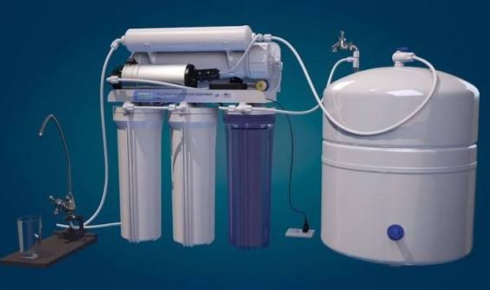
The best first step is testing the water. Once you know what you’re dealing with, it becomes much easier to choose the right system. Some homes benefit from a traditional salt-based softener. Others may need a broader treatment setup if there are additional concerns with taste, odour, sediment, or chlorine.
That bigger picture is where better water quality becomes important. Softening can reduce hardness problems, but some homeowners may also want filtration for drinking water, whole-home treatment, or specific solutions based on local water conditions.
A Small Upgrade With a Big Daily Impact
Water softening is not the most glamorous home improvement topic. It doesn’t transform a room like new flooring or fresh paint. You probably won’t invite neighbours over to admire your water softener.
But you will feel the difference in ordinary moments. A shower that rinses properly. Towels that feel softer. Dishes that come out clearer. Appliances that aren’t quietly struggling against scale. Less scrubbing. Fewer spots. A home that simply feels easier to care for.
And honestly, that’s the beauty of it. The best home upgrades are often the ones that quietly remove daily frustration. Softer water may not be something you see at first glance, but once it becomes part of your home, you may wonder why you lived without it for so long.