Most people think about water quality only when something goes wrong. The tap water tastes strange. The shower door looks cloudy again. The dishwasher leaves spots. The laundry feels rough. None of it feels like a crisis, exactly, but it becomes one of those ongoing household annoyances that never quite disappears.
Good water does more than taste clean. It can help your home run better, protect the equipment you already own, and reduce waste in ways that are easy to overlook. It’s not the flashiest home upgrade, no. But sometimes the quiet upgrades are the ones that make daily life smoother.
Hard Water Works Against Your Home
Hard water contains minerals like calcium and magnesium. These minerals may not seem like a big deal when water is flowing from the tap, but once the water heats, dries, or sits inside equipment, they can leave behind scale. That scale builds slowly on fixtures, inside pipes, and around heating elements.
This is where appliance protection becomes important. Water heaters, dishwashers, washing machines, coffee makers, and ice machines all depend on clean, consistent water. When minerals and sediment collect inside them, they may work harder, use more energy, and wear out sooner than expected.
A water heater with scale buildup, for example, may need more energy to heat the same amount of water. A dishwasher may struggle to clean properly. A washing machine may leave clothes feeling less fresh. Over time, those small problems can turn into repairs.
Cleaner Water Can Lower Everyday Costs
Water quality and household expenses are more connected than many homeowners realise. If appliances are working harder, they may use more electricity or gas. If cleaning takes more detergent, more rinse cycles, or stronger products, that adds up too.
With better water treatment, some homes may see reduced utility bills because appliances can operate more efficiently and less water may be wasted during cleaning and rinsing. Softer water can also help soaps and detergents work better, meaning you may not need to use as much product to get the same result.
Of course, water treatment is not a magic switch that cuts every bill in half. But when the right system is matched to the right problem, the savings can show up quietly month after month.
Sustainability Starts with Small Daily Choices
Many families want to live a little more responsibly, but not everyone has the budget or time for huge lifestyle changes. Water quality improvements can be one practical step. Better drinking water may reduce the need for bottled water. Efficient softeners can use less salt and water than older systems. Filtration can help homeowners rely more confidently on their own taps.
That’s the real value of sustainable water solutions. They aren’t just about being “green” for the sake of it. They help reduce waste while making water more useful, more pleasant, and more dependable in everyday life.
When a system is properly sized and maintained, it can support comfort and conservation at the same time.
The Right System Depends on the Problem
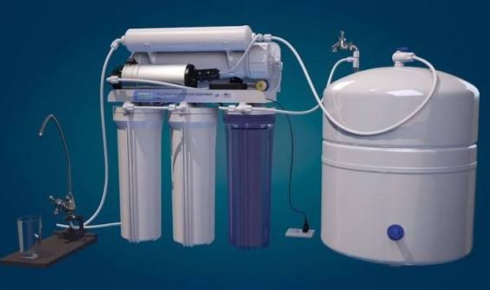
Not every home needs the same setup. A house with hard water may benefit from a softener. A home with chlorine taste may need carbon filtration. Well water with sediment, iron, or odour may require a more specialised approach. Drinking water concerns may point toward reverse osmosis or under-sink filtration.
Guessing can get expensive. That’s why water testing is usually the smartest first step. A test can show hardness, iron, pH, total dissolved solids, chlorine, sediment, or other concerns. Once you know what’s in the water, it becomes easier to choose a system that actually solves the issue.
Comfort Is Part of the Value Too
Savings matter, but comfort matters as well. Better water can make showers feel nicer, help skin feel less dry, and leave hair feeling cleaner. Fixtures may stay brighter for longer. Glasses may come out clearer. Laundry may feel softer.
These improvements are small individually, but they change the feel of a home. Nobody enjoys scrubbing mineral buildup from faucets every few days or wondering why clean dishes still look cloudy. Better water removes some of that daily friction.
Maintenance Keeps Benefits Going
A good water treatment system still needs care. Filters have to be changed. Softener salt should be checked. Reverse osmosis membranes eventually need replacement. If maintenance is ignored, performance drops and old problems can return.
The good news is that most maintenance is simple when done on schedule. A professional installer can explain what needs attention and how often. That way, the system continues working efficiently instead of becoming another forgotten piece of equipment in the garage.
A Practical Upgrade with Long-Term Payoff
Clean, efficient water is one of those improvements you feel more than you show off. It doesn’t change the look of your living room or impress guests at the door. But it can make your home easier to maintain, help protect appliances, reduce waste, and improve everyday comfort.
When water works better, the whole house benefits quietly. And sometimes, that’s exactly the kind of upgrade that makes the most sense.