Most people don’t think twice about tap water until something looks, smells, or tastes a little off. You turn on the faucet expecting clear water, and instead it comes out cloudy, orange-ish, or even slightly brown. Not exactly what anyone wants to see before making coffee or filling a glass.
One of the most common reasons behind this is iron and rust in water. It sounds a bit dramatic, but it’s actually a fairly common household water issue, especially in homes with older plumbing, private wells, or nearby municipal pipe work. The tricky part is that it can show up suddenly, then disappear, then come back again just when you thought it was fixed.
Why Water Starts Looking Rusty
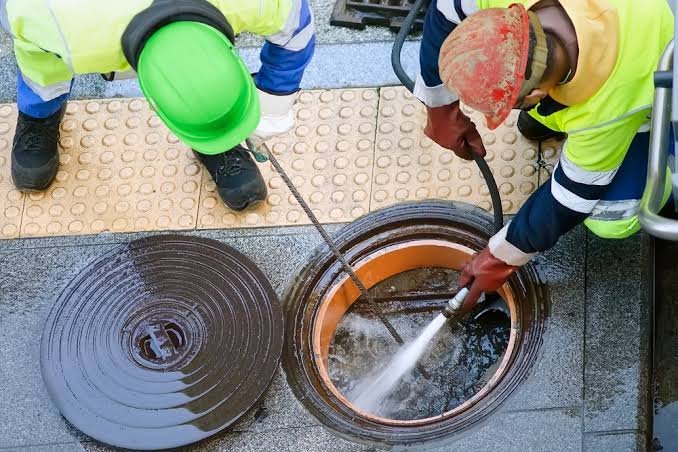
Rusty-looking water usually happens when iron particles get into the water supply. Sometimes the source is natural iron in groundwater. Other times, it comes from aging pipes, water heaters, or disturbance in city water lines. If utility crews are flushing hydrants or repairing mains nearby, sediment can get stirred up and travel into your home’s plumbing.
A small amount of iron in water may not be dangerous in many cases, but it’s definitely unpleasant. It can affect taste, smell, appearance, and even how clean your laundry looks after a wash. White towels, for example, are often the first victims.
The Stains Tell a Story
If you’ve noticed orange or brown marks around sinks, tubs, toilets, or laundry, you’re probably dealing with iron-related staining. These rust stains can be stubborn, and regular cleaning sprays don’t always handle them well. In fact, using the wrong cleaner can sometimes make the marks harder to remove.
The stains usually appear where water sits or drips repeatedly. Toilet bowls may develop rusty rings. Shower corners may look dirty even when they’ve just been scrubbed. Clothes may come out with faint yellowish marks, which is especially frustrating because you don’t always notice until they’re dry.
Is Rusty Water Safe?
This is the question most homeowners ask first, and fair enough. Nobody wants to drink something that looks like it came from an old pipe in a basement.
Iron itself is not usually considered a serious health risk at typical household levels, but that doesn’t mean you should ignore rusty water. Discolored water can sometimes point to plumbing corrosion, sediment buildup, or a larger issue with the water supply. If the change is sudden, strong, or lasts more than a day or two, testing the water is a smart move.
Also, if the water smells metallic, tastes odd, or appears dirty from both hot and cold taps, don’t just guess. A professional water test can show whether iron, manganese, bacteria, or other contaminants are involved.
When the Water Turns Red
Some homes experience clear water most of the time, then suddenly see red water after a faucet hasn’t been used for a while. This can happen when iron oxidizes, meaning it reacts with oxygen and changes color. The longer water sits in pipes, the more noticeable the discoloration may become.
If only hot water looks rusty, your water heater could be part of the problem. Sediment can build up inside the tank, especially if it hasn’t been flushed in years. If both hot and cold water are discolored, the issue may be coming from the main supply line, well system, or household pipes.
Simple Checks Before Calling for Help
There are a few easy things you can do before assuming the worst. Run the cold water for several minutes and see if it clears. Check whether the issue is happening at every faucet or only one. Ask neighbors if they’re seeing the same thing, especially if you’re on municipal water.
If your neighbors have the same problem, the source may be outside your home. If it’s only your house, your plumbing, water heater, or filtration system may need attention.
How Filtration Can Help
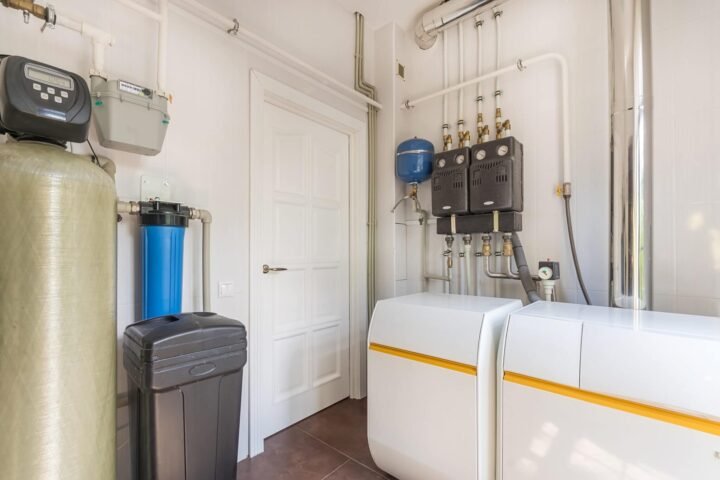
For homes with ongoing iron problems, water treatment can make a noticeable difference. The right solution depends on the type and amount of iron present. Some systems are designed for dissolved iron, while others handle visible rust particles or sediment.
A sediment filter may help with particles. An iron filter can reduce dissolved iron. In some cases, a whole-house filtration system is the better choice, especially if staining, taste, and discoloration are happening throughout the home.
Well water users should be especially careful. Iron bacteria, manganese, and hardness can appear alongside iron issues, so testing first is important. Buying a random filter without knowing the water chemistry can waste money and leave the real problem untouched.
A Small Issue That Can Grow
Rusty water is easy to dismiss when it only happens once. But if it keeps returning, it deserves attention. Besides the inconvenience, iron buildup can affect appliances, clog fixtures, stain surfaces, and shorten the life of water-using equipment.
Clean-looking water should feel normal, not like a luxury. So when your tap water starts changing color, take it as a signal. Maybe it’s a temporary disturbance. Maybe it’s your pipes asking for help. Either way, a little investigation now can save a lot of scrubbing, guessing, and repair bills later.