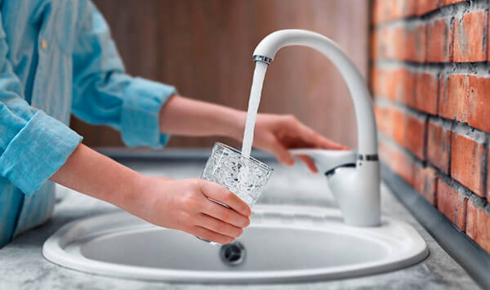
Most of us judge water in a very human way. We look at it, smell it, maybe take a quick sip, and decide whether it seems okay. Clear glass, no strange colour, no obvious smell — good enough, right? Sometimes yes. But water quality is not always that simple.
The things that affect household water are often invisible. They may not leave stains or float around where you can see them. They can still change taste, smell, comfort, and in some cases, how much confidence you feel using water for drinking, cooking, and bathing.
This is why water testing and proper treatment matter. Not because homeowners need another thing to worry about, but because clean water is one of those quiet essentials that supports everyday life.
Why Treated Water Can Still Taste Different
Municipal water is often treated before it reaches homes, and that treatment plays an important role. Disinfection helps control bacteria and other organisms in public water supplies. Still, the same process that helps make water safer can also affect how it tastes and smells once it comes through the tap.
Many homeowners notice chlorine chloramines in their water as a pool-like taste or chemical smell. Chlorine and chloramines are commonly used disinfectants, but when the flavour is strong, it can make people avoid tap water altogether.
Coffee tastes flatter. Ice cubes carry an odd aftertaste. A simple glass of water feels less refreshing than it should. Some families respond by buying bottled water, but that becomes costly and creates waste. A properly selected filtration system can often improve taste and smell while keeping the household routine simple.
What Private Wells and Local Conditions Can Add
Water concerns can be different for homes that rely on wells. Unlike many public systems, private wells are usually the homeowner’s responsibility to test and maintain. The water may travel through soil, rock, agricultural areas, or nearby land that affects what ends up in the supply.
Substances such as nitrates sulfates can appear in some water sources depending on geology, farming activity, runoff, or local conditions. These are not things you can usually spot by looking at a glass of water. That’s what makes testing so important.
Even if the water tastes normal, testing helps reveal whether anything needs attention. For homeowners with wells, regular checks are not just a good idea; they are part of responsible home care.
The Problem With Guessing From Taste Alone
Taste is useful, but it does not tell the whole story. Some water problems taste obvious. Others don’t. A chlorine smell may be noticeable right away, while certain dissolved compounds or minerals may go unnoticed without testing.
This is where homeowners sometimes get stuck. They buy a filter because the water tastes strange, but the filter may not address the actual issue. Or they install a system meant for hardness when the real concern is chemical taste. Water treatment works best when it begins with facts.
A proper test helps identify what is present, how much of it is there, and what kind of treatment is likely to help. It removes the guesswork, which is good because water is too important for trial and error.
Why Water Safety Belongs in Everyday Conversations
People often think about water safety only after something goes wrong. A boil notice, a strange smell, a news story, a failed test. But water safety should not feel like a crisis topic. It belongs in normal home maintenance, the same way people check smoke alarms or service their HVAC system.
That doesn’t mean every water issue is dangerous. Many problems are more about taste, smell, staining, or appliance wear. Still, knowing the difference matters. Testing helps separate nuisance problems from concerns that require serious attention.
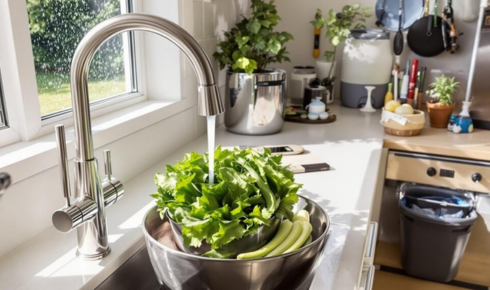
For families, this can bring real peace of mind. Water is used in baby bottles, cooking, brushing teeth, washing produce, filling pet bowls, and making morning coffee. It touches so many small parts of life that confidence matters.
How Better Water Treatment Helps the Whole Home
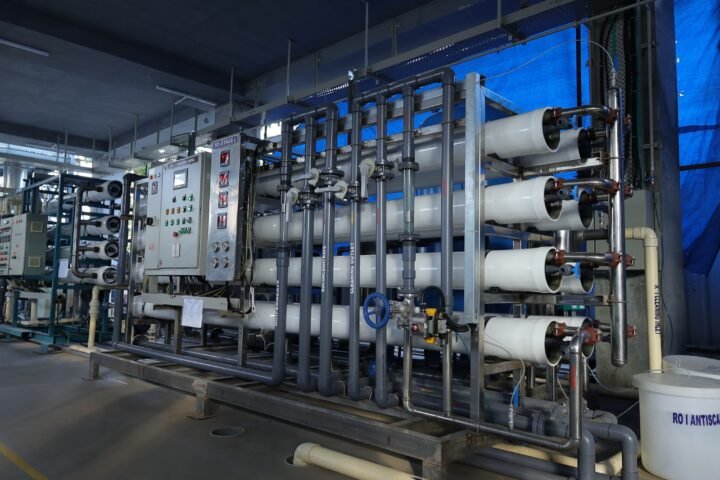
The right water treatment system depends on the problem. Chlorine taste may be improved with carbon filtration. Certain dissolved substances may require more advanced drinking water treatment. Well water may need filtration, softening, oxidation, UV, or a combination of systems.
A good provider should not recommend equipment blindly. They should start with water test results, ask about household needs, and explain the options clearly. The best system is not always the biggest or most expensive. It is the one that fits the water and the home.
Better water treatment can improve drinking water, but it can also support appliances, plumbing, laundry, showers, and general comfort. When water tastes better and behaves better, the house feels easier to live in.
Small Signs Can Point to Bigger Questions
Sometimes the clues are subtle. A bitter taste. A chemical smell. Dry skin after showering. White residue around fixtures. A cloudy glass that clears after a few minutes. These signs do not automatically mean something serious, but they are worth noticing.
Water has a way of leaving hints. The smart move is not to panic, but to test. Once you understand what is in the water, you can decide what to do next.
Too many homeowners spend months or years working around water issues. They buy bottled water, scrub the same stains, replace filters randomly, or simply accept that their tap water is unpleasant. But clean, comfortable water should not feel like a luxury.
A Clearer Path to Confidence
Good water starts with awareness. Not worry, not overthinking, just awareness. You notice what your water is doing, test it properly, and choose a solution based on real results.
That process can make a home feel better in small but meaningful ways. Better-tasting coffee. Cleaner ice. More confidence in the kitchen. Less hesitation when filling a glass from the tap.
Water may be invisible in many ways, but its impact is everywhere. When it is clean, balanced, and properly treated, daily life simply runs smoother. And honestly, that is what every home deserves.