A home can be beautiful, freshly painted, neatly arranged, and still have air that feels a little tired. Most people notice it in small ways first. A room feels stuffy after the windows have been closed all day. Dust returns too quickly. Cooking smells hang around longer than expected. Or someone in the family keeps sneezing indoors, even when the house looks perfectly clean.
Air is easy to ignore because we cannot really see it. We judge a home by the floors, furniture, lighting, and maybe the kitchen counters. But the air moving through those rooms is part of the home too. It touches everything. It affects comfort, sleep, focus, and the general feeling of freshness when you walk through the door after a long day.
Why Indoor Air Needs Serious Attention
Modern homes are built to hold heat and cooling more efficiently, which is good for energy bills. But tighter homes can also trap particles, odors, and moisture inside. Add pets, cleaning products, carpets, fabrics, outside pollution, and daily cooking, and the air can become busier than most people realise.
This is why some homeowners are now looking beyond ordinary filters and considering medical grade air systems for stronger indoor air support. These systems are designed with a higher level of filtration in mind, helping reduce fine particles and airborne concerns that basic filters may not handle well. For families with allergies, respiratory sensitivities, or simply higher expectations for home comfort, that extra level can matter.
Clean Air Is About More Than Dust
Dust is usually the first thing people think about, and yes, it’s a real issue. But indoor air can carry much more than visible dust. Tiny particles from smoke, pollen, pet dander, fabrics, and even outdoor traffic pollution can float around quietly. Some settle on surfaces. Some stay suspended. Some get pulled through heating and cooling systems again and again.
That is where disinfecting filtration can become valuable, especially in homes where people want more than basic particle capture. The goal is not to make a house feel like a hospital or some sterile, uncomfortable place. It is about adding a stronger layer of protection so the air feels fresher, cleaner, and better managed throughout daily life.
The Everyday Signs of Poor Air
Not every air quality issue is dramatic. Sometimes it is just a bedroom that feels heavy in the morning. Sometimes it is a lingering smell in the hallway. Sometimes it is dust on shelves only two days after cleaning. People with allergies may notice itchy eyes, sneezing, or congestion that seems worse indoors than outside.
Homes with pets often face their own challenges. Pet dander is light and stubborn. It can settle into rugs, sofas, bedding, and vents. Cooking can also add smoke particles and odors. Cleaning sprays may leave behind chemical traces. Even scented candles, lovely as they smell, can add more particles to the air. Real life is messy like that.
Building a Better Indoor Environment
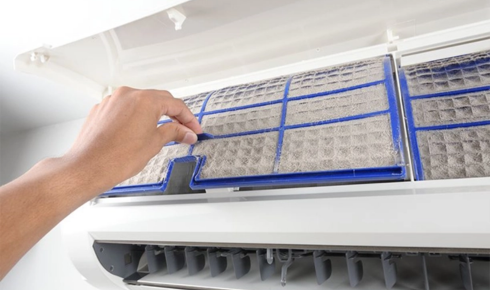
Good air care usually works best in layers. A quality filtration system helps, but so do regular habits. Change HVAC filters on schedule. Keep vents and returns clean. Use exhaust fans while cooking and showering. Watch humidity levels, because too much moisture can lead to musty smells and mold concerns. Vacuum often, especially in rooms with carpets or pets.
Choosing clean air solutions should start with the home’s actual needs. A large family house may need a different setup than a small apartment. A household dealing with smoke, allergies, or strong odors may need more advanced filtration than one mainly dealing with light dust. There is no one perfect answer for every home, and that’s fine.
Comfort You Can Feel, Even If You Can’t See It
The interesting thing about cleaner air is that the improvement is often quiet. You may not notice it like a new sofa or fresh paint. Instead, the home gradually feels lighter. Rooms smell cleaner. Dust becomes easier to manage. Sleep may feel more comfortable. Guests might not know exactly what changed, but they may feel the space is fresh and cared for.
Better air is not about chasing a flawless home. No lived-in house will ever be completely free from dust, smells, or particles. Families cook, pets shed, kids run around, doors open, and life happens. The point is to reduce what you can and create a healthier indoor space without overthinking every breath.
A Simple Upgrade With Long-Term Value
Investing in better indoor air is one of those home improvements that quietly pays off every day. It supports comfort in bedrooms, freshness in living areas, and peace of mind for families who want a cleaner environment. It may not be the flashiest upgrade, but it is deeply practical.
At the end of the day, a home should feel easy to live in and easy to breathe in. Clean air helps create that feeling. Not perfectly, not magically, but steadily — one room, one filter, one better habit at a time.