Most people don’t wake up one morning suddenly obsessed with water quality. It usually starts with something small and slightly annoying. Maybe your coffee tastes a little dull lately. Maybe the kettle keeps collecting chalky residue no matter how often you clean it. Or maybe you notice your family buying bottled water more often because nobody really likes the tap anymore.
That’s how it happens for a lot of households. Water quietly shifts from being something you never think about to something you notice every single day.
A friend of mine once described it perfectly. She said, “I didn’t realize how weird our water tasted until I drank better water somewhere else.” Honestly, that’s probably true for most of us. You get used to what’s normal in your own home until a comparison suddenly changes your perspective.
Water Touches Nearly Every Part of Daily Life
The thing about water is that it’s woven into everything. Cooking, showering, brushing your teeth, making tea, washing clothes, filling the dog’s bowl — it’s impossible to separate water from the rhythm of everyday living.
When the quality isn’t great, those little interactions slowly become frustrating.
Hard water stains fixtures. Chlorine leaves a lingering smell. Sediment affects taste. Appliances lose efficiency over time. Even skin and hair can feel different depending on what’s in the water flowing through the pipes.
That’s one reason more homeowners are paying closer attention to household filtration and treatment systems now than they used to. People want comfort, but they also want confidence in what they’re consuming daily.
And honestly, once someone experiences genuinely good water at home, it’s surprisingly hard to go back.
Why RO Systems Became So Popular
If you’ve researched water treatment at all, you’ve probably heard the term ro water come up repeatedly.
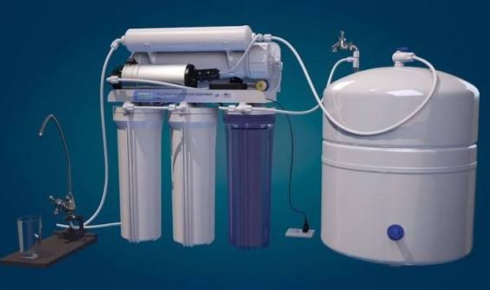
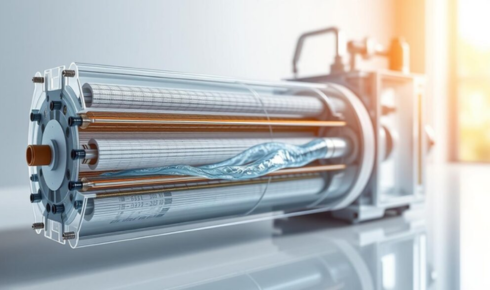
Reverse osmosis systems have gained popularity because they remove many dissolved impurities that standard filters often leave behind. The process pushes water through a specialized membrane that helps reduce unwanted particles, contaminants, and excess minerals.
Now, companies sometimes market RO systems like they’re magical solutions for every home, which feels a little exaggerated. The truth is more practical. These systems work especially well for households dealing with unpleasant taste, high dissolved solids, or concerns about local water conditions.
A cousin of mine installed an under-sink RO setup after years of relying on bottled water. A week later he told me his biggest surprise wasn’t the taste — it was realizing how much money they’d been wasting on plastic bottles every month without really thinking about it.
That’s often how change happens. Not dramatically. Just through small realizations adding up.
The Emotional Side of Better Water
It sounds strange talking about water emotionally, but there’s something reassuring about knowing the basics of your home are working properly.
You stop second-guessing whether the tap water smells odd. You stop buying endless cases of bottled water. Cooking feels simpler because ingredients taste more natural without chemical aftertastes interfering.
Even small things shift. Tea tastes cleaner. Ice cubes stop carrying weird odors. Soups somehow feel fresher.
And honestly, that comfort matters more than people admit.
Choosing the Right Drinking Water Setup
One important thing homeowners should know is that there’s no universal solution for every house.
The best drinking water system depends heavily on local conditions. Some areas mainly struggle with hard water minerals. Others deal with chlorine-heavy municipal treatment, sediment, sulfur smells, or aging infrastructure.
That’s why water testing is usually smarter than blindly buying expensive equipment online.
I’ve seen people spend huge amounts on advanced systems solving problems they didn’t even have, while completely ignoring the actual issue affecting their water. A simple test often provides more useful information than hours of internet research.
Good professionals typically ask questions before recommending products. That’s usually a positive sign.
Clean Water Is Becoming a Bigger Priority
There’s definitely been a shift in how people think about clean water over the last decade. It’s no longer viewed as some luxury upgrade reserved for expensive homes.
Families today care more about wellness overall. They read food labels, invest in air purifiers, buy organic produce, and naturally start paying attention to water too.
At the same time, people are becoming more aware of environmental concerns around bottled water waste. Refillable bottles and home treatment systems simply make more sense for many households now.
And beyond health or sustainability, there’s also practicality. Better water often helps appliances last longer, reduces mineral buildup, and lowers maintenance headaches around the house.
It’s one of those upgrades that quietly improves daily life from multiple directions at once.
The Little Changes Add Up
One thing nobody really explains about improving household water is that the benefits usually arrive gradually.
You don’t wake up one morning feeling like your entire life changed overnight. Instead, you notice dozens of tiny improvements stacking together.
Your coffee tastes smoother. Dishes look cleaner. Shower doors stay clear longer. Laundry feels softer. Filling a glass from the kitchen sink becomes something you do automatically without hesitation.
And maybe that’s the best kind of home improvement — the kind that fades into the background because everything simply feels easier afterward.
Good water doesn’t need to impress anyone. It just quietly supports everyday life in ways most people only appreciate once they experience the difference themselves.