Most homeowners don’t start thinking seriously about water quality because they suddenly become fascinated with plumbing. It usually begins with frustration. Small, repetitive frustrations that quietly build up over time until they become impossible to ignore.
The dishes come out cloudy again. Soap won’t lather properly. The shower leaves your skin feeling strangely dry, even after switching body wash three different times. Faucets develop white crusty buildup no matter how often they’re cleaned.
At first, people blame everything except the water.
Then eventually, usually after talking to a neighbor or staying somewhere with noticeably softer water, they start connecting the dots.
And honestly, once you notice the difference good water makes, it’s difficult to unnotice it.
Hard Water Changes Everyday Life in Quiet Ways
What makes hard water tricky is that its effects rarely arrive dramatically. There’s no flashing warning light in the kitchen announcing that your home’s water is slowly causing problems. Instead, the issues sneak into ordinary routines little by little.
Laundry starts feeling stiff. Glassware loses its shine. Appliances work harder than they should. Water heaters become less efficient because minerals collect inside them over time.
Even something as simple as washing your hands can feel different.
I remember visiting a family member who had recently installed a new softening setup in their house. They kept talking about how much better everything felt, and honestly, I assumed they were exaggerating. But after using the shower there for a couple of days, I understood immediately.
The water just felt smoother. Soap rinsed away properly. My skin didn’t feel tight afterward.
Tiny details, maybe. But tiny details repeated daily shape comfort more than we realize.
Smarter Systems Have Changed the Conversation
Years ago, home water treatment systems sometimes felt overly complicated or wasteful. Homeowners worried about maintenance, salt usage, inefficiency, or systems running constantly whether they needed to or not.
Modern technology has shifted that quite a bit.
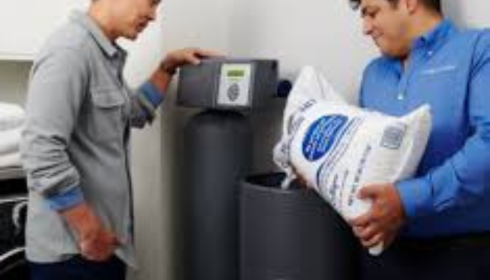
Many newer systems now use on-demand technology, meaning they regenerate only when the household actually needs it instead of operating on fixed schedules. That may sound like a small improvement, but it can make a meaningful difference in water efficiency, salt usage, and overall operating costs.
And people appreciate practical efficiency.
Nobody wants a system wasting resources unnecessarily just because it’s programmed to follow an outdated schedule. Homeowners today care more about balance — better performance without excessive waste or hassle.
Why Regeneration Matters More Than Most People Realize
One of the less glamorous but incredibly important parts of a softening system is the regeneration cycle. This is the process where the system cleans and recharges itself so it can continue removing hardness minerals effectively.
Older systems often regenerated based purely on timers, whether the household actually used much water or not. That meant unnecessary salt and water usage in many cases.
Smarter systems today monitor actual household demand more accurately, allowing regeneration cycles to happen only when truly necessary. It’s a quieter, more efficient approach that fits better with modern homes and changing water usage patterns.
And honestly, that kind of behind-the-scenes efficiency matters more than flashy marketing features most homeowners barely use.
People want systems that work consistently without becoming another thing to constantly think about.
The Difference You Notice Isn’t Always What You Expect
A lot of homeowners assume installing a water softener system is mainly about preventing scale buildup in pipes and appliances. That’s definitely part of it, of course. But the surprising changes usually happen in more personal, everyday experiences.
Showers feel more comfortable. Hair behaves differently. Towels soften up again. Coffee tastes cleaner somehow. Even cleaning products seem to work better because soap actually lathers and rinses the way it’s supposed to.
One homeowner I spoke with described it perfectly: “The house just feels easier to live in now.”
That stuck with me because it captures something people don’t always explain well. Better water doesn’t necessarily create dramatic transformations. Instead, it removes dozens of tiny irritations people had slowly adapted to over the years.
Water Quality Affects More Than Plumbing
It’s easy to think of water treatment as purely a plumbing concern, but it reaches far beyond pipes and appliances.
Water touches nearly every routine inside a home — cooking, bathing, laundry, cleaning, drinking. When the quality improves, those routines often become smoother and less frustrating in subtle but meaningful ways.
And over time, those small improvements create a noticeable difference in the overall comfort of the house.
That’s probably why so many homeowners eventually say they wish they had addressed their water quality sooner. Once better water becomes the new normal, the old normal suddenly feels harder to tolerate in hindsight.
Better Water Quietly Improves Daily Living
The interesting thing about home upgrades is that the best ones aren’t always the most visible. Some improvements work quietly in the background, making life easier without demanding constant attention.
Good water quality falls into that category.
You notice it in cleaner dishes, softer laundry, better-tasting drinks, and fewer stubborn stains around the house. You notice it when appliances run more efficiently and when showers stop leaving your skin feeling stripped dry during colder months.
None of it feels flashy. It just feels better.
And maybe that’s why water quality improvements tend to stick with people long after installation day is over. They become part of the daily rhythm of the home — small comforts repeating themselves every single day without much fanfare.
Honestly, those are often the upgrades that matter most in the long run.