There’s a certain point when homeowners start noticing patterns around the house that don’t quite make sense anymore.
The dishes come out cloudy even after running the dishwasher twice. The bathroom faucet develops white residue days after cleaning it. Towels feel stiff. Shampoo never seems to rinse completely. And somehow the coffee tastes slightly different depending on the day.
Most people blame appliances first. Or cleaning products. Or cheap plumbing fixtures.
But often, the real issue is sitting quietly behind the walls the entire time: the water itself.
Water Has More Influence Than We Realize
It’s funny how easy it is to overlook water until it becomes annoying. We use it constantly without thinking about it much. Morning showers, laundry cycles, cooking dinner, filling pet bowls — it all happens automatically.
That’s probably why water-related issues can linger for years before homeowners connect the dots.
I remember visiting a friend who was convinced her dishwasher was failing because glasses always looked dull and spotted. She was already shopping for a replacement when a plumber casually mentioned the mineral content in the home’s water was extremely high. The appliance wasn’t broken at all.
That conversation completely changed how she looked at the situation.
A surprising number of common household frustrations trace back to hard water problems, especially in areas where mineral-heavy water is common.
The Signs Tend to Build Slowly
Hard water rarely creates one dramatic issue overnight. Instead, it slowly affects dozens of tiny routines around the house.
Soap struggles to lather properly. Showerheads lose pressure over time. White crust forms around faucets and drains. Appliances collect scale internally and become less efficient. Skin may feel dry or itchy after showers.
Individually, these things seem minor.
Together, though, they create a kind of low-level frustration people gradually adapt to without realizing how much effort it adds to daily life.
And honestly, many homeowners simply assume that’s normal.
Every Home Has a Different Water Story
One important thing people forget is that water quality varies enormously depending on location.
Some homes deal mostly with mineral-heavy water. Others struggle with chlorine taste, sediment, sulfur odors, or aging pipes. A rural property using well water may face entirely different conditions than a city apartment connected to municipal treatment systems.
That’s why there’s no universal solution for better residential water conditions.
And frankly, that’s where online advice becomes messy. One person swears by a certain filter while another says it did nothing. Often, both are technically right — because their water conditions were completely different to begin with.
The smartest approach is usually the simplest one: understand the actual issue before trying to solve it.
Why Better Water Feels Different Almost Immediately
People often underestimate how noticeable water improvements can be.
When water quality improves, daily routines tend to feel easier in small but meaningful ways. Hair feels softer. Glassware looks cleaner. Towels become less rough. Faucets stay cleaner longer. Even tea and coffee sometimes taste smoother.
It’s not dramatic in a flashy “life-changing transformation” kind of way. More like removing background irritation you didn’t fully realize was there.
A neighbor of mine once described it perfectly after installing a new filtration setup. She said, “Nothing huge changed… but everything became slightly less annoying.”
Honestly, that sums it up surprisingly well.
Understanding Filtration Without the Marketing Noise
There’s a lot of hype surrounding modern water filtration systems. Some ads make it sound like every home is one glass of tap water away from disaster, which obviously isn’t realistic.
Still, filtration absolutely has value when matched properly to a home’s actual needs.
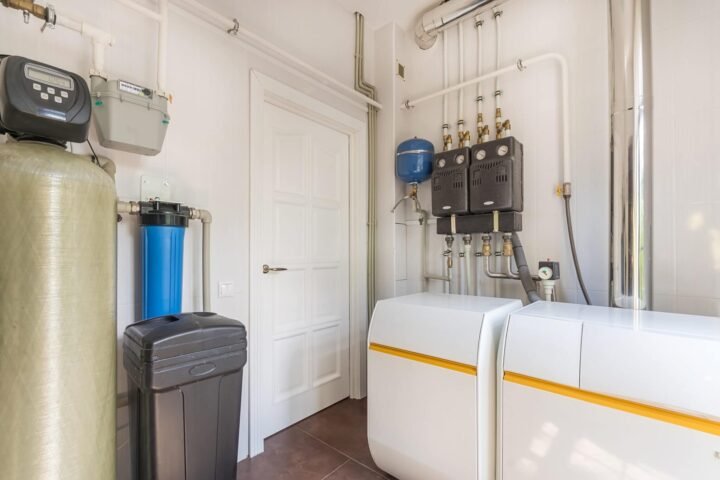
Some households only need sediment reduction or taste improvement. Others benefit from water softening, carbon filtration, or iron removal. The key is identifying the specific issue first instead of buying expensive equipment based entirely on fear-driven marketing.
That part matters more than people think.
Because honestly, homeowners can spend thousands on complicated systems that solve problems they never actually had.
Appliances Feel the Impact Too
One area people often overlook is how much water affects appliance lifespan.
Mineral-heavy water can gradually reduce the efficiency of water heaters, dishwashers, washing machines, and coffee makers. Scale builds internally, forcing equipment to work harder over time.
That extra strain may not seem obvious immediately, but eventually it leads to higher maintenance costs and shorter appliance life.
And replacing appliances is rarely cheap anymore.
That’s one reason many homeowners start paying attention to water quality after repeated plumbing or appliance issues. At some point, the pattern becomes too obvious to ignore.
Better Water Is Really About Comfort
At the end of the day, most people aren’t trying to create laboratory-perfect water conditions at home.
They simply want things to feel clean, reliable, and comfortable.
They want showers that don’t dry out their skin. Dishes that actually look clean. Appliances that last longer. Water that tastes normal without strange odors or residue.
Those things sound simple, but they shape everyday life more than we realize.
And maybe that’s why water issues become so frustrating over time. They quietly affect dozens of small routines people depend on every single day.
Once those issues improve, the entire house often feels calmer somehow.
Not perfect. Just easier to live in — which, honestly, is what most homeowners want in the first place.