Most homeowners don’t wake up one morning suddenly worried about their water. Usually, it starts with something small. A strange taste in coffee. White residue around faucets that seems impossible to scrub away. Dry skin after every shower, no matter how expensive the soap is.
Life gets busy, and honestly, people tend to brush these things off for a while. We adapt quickly to little inconveniences. But eventually, curiosity creeps in. You start wondering whether the water flowing through your home is actually as clean and balanced as you assumed.
And that question alone has pushed more families to pay closer attention to water quality over the past few years.
The interesting thing is that many water issues don’t announce themselves loudly. They build quietly in the background until someone finally decides to investigate.
Water Problems Don’t Always Look Dramatic
A lot of people expect bad water to look dirty or smell terrible. Sometimes it does. But often, water can appear perfectly normal while still carrying excess minerals, chlorine residue, sediment, or other contaminants.
That’s part of why more homeowners now choose to book a water test before investing in expensive filtration systems or random online products. Testing creates clarity. Instead of guessing what the issue might be, homeowners get actual information about what’s present in their water supply.
And honestly, that matters more than people realize.
Some homes only struggle with hard water, while others deal with iron, sulfur odors, pH imbalance, or aging plumbing that affects taste and quality. Without proper testing, it’s easy to spend money solving the wrong problem entirely.
A lot of frustration could probably be avoided if more people started with answers instead of assumptions.
Everyday Clues That Water Might Need Attention
The signs are often subtle at first.
Maybe your dishwasher leaves cloudy spots on glasses no matter how carefully you clean them. Maybe your water heater seems less efficient than it used to be. Some homeowners notice orange staining near sinks or toilets. Others complain about itchy skin or stiff laundry after washing.
These things don’t necessarily mean your water is unsafe, but they usually suggest it’s worth taking a closer look.
And the funny thing is, guests sometimes notice issues before homeowners do. When you live with something every day, gradual changes stop feeling unusual after a while.
That’s why many companies now make it easier than ever to request a water test without complicated appointments or technical confusion. Homeowners are realizing that understanding water quality doesn’t need to feel intimidating anymore.
In many cases, the process is surprisingly simple — and the peace of mind afterward often feels worth it.
Different Homes Have Different Water Stories
One reason water quality conversations can feel confusing is because no two homes are exactly alike. A house connected to a municipal system may face very different challenges than a rural property using well water.
City water often contains chlorine or disinfectant byproducts from treatment facilities. Well water may carry iron, sediment, sulfur, or naturally occurring minerals depending on the surrounding environment.
Even neighboring homes can experience different conditions based on pipe age, plumbing materials, or local infrastructure.
That’s why a personalized water assessment usually makes more sense than generic recommendations found online. Water isn’t one-size-fits-all, and treatment solutions shouldn’t be either.
Testing helps homeowners understand the specific characteristics of their water so they can choose systems or improvements that actually match their needs instead of relying on guesswork.
Better Water Changes More Than Drinking Habits
People often focus on drinking water first, which makes sense. But cleaner water affects far more than what ends up in a glass.
Showers feel softer. Laundry stays brighter. Appliances tend to last longer because mineral buildup decreases. Coffee and tea suddenly taste smoother in ways people didn’t expect.
And honestly, those small improvements matter.
Most homeowners aren’t chasing perfection. They simply want their homes to feel more comfortable and easier to maintain. Better water quietly contributes to both.
Hard water, for example, can shorten the lifespan of dishwashers, washing machines, and water heaters over time. Excess minerals create buildup inside plumbing systems that slowly reduce efficiency. These aren’t dramatic disasters, but they add up financially over the years.
That’s part of why preventative testing makes practical sense. Catching issues early is almost always easier than repairing long-term damage later.
Water Technology Has Become Less Intimidating
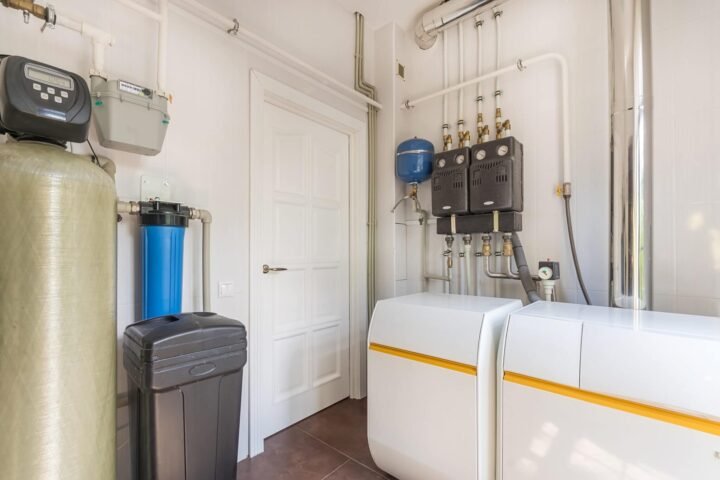
Years ago, water treatment systems felt overly technical to many homeowners. Large tanks, confusing terminology, expensive installations — it all sounded more complicated than most people wanted to deal with.
Thankfully, things have changed.
Modern systems are more compact, efficient, and customizable than older setups. Testing itself has become easier too, with clearer reporting and more homeowner-friendly explanations. Some systems even include smart monitoring features that track usage and maintenance automatically.
That shift matters because homeowners today don’t want unnecessary complexity. They want solutions that quietly improve daily life without becoming another stressful project to manage.
And honestly, that’s fair.
Peace of Mind Is a Bigger Deal Than People Admit
There’s something comforting about knowing your water has been properly checked. It removes the uncertainty.
You stop wondering why your skin feels irritated after showers. You stop second-guessing the taste of tap water. You stop assuming appliance wear is simply “normal.”
Water touches nearly every part of home life — cooking, cleaning, bathing, laundry, plumbing, even the flavor of morning coffee. Yet most people barely think about it until problems become impossible to ignore.
Maybe that’s why homeowners are becoming more proactive now. They’re not waiting for obvious disasters. They simply want reassurance that one of the most important systems in their home is working the way it should.
And honestly, for something we rely on every single day, that seems like a pretty reasonable investment in peace of mind.