Most of us don’t spend much time thinking about water until something feels a little off. Maybe your coffee suddenly tastes flat. Maybe the ice cubes smell strange after sitting overnight. Or maybe you notice you’re buying bottled water more often because the tap just doesn’t taste quite right anymore.
It usually starts with small things.
And honestly, that’s what makes household water quality so interesting. It affects daily life constantly, but quietly. You cook with it, drink it, wash produce in it, make tea with it, fill pet bowls with it — all without stopping to question it most days.
Until one day you do.
The Shift Toward Better Water at Home
More homeowners are becoming aware of how much water quality influences comfort, health, and even mood around the house. It’s not necessarily about fear or dramatic headlines. It’s more practical than that.
People simply want water that tastes clean and feels reliable.
Older plumbing systems, changing municipal infrastructure, mineral-heavy groundwater, and chlorine treatment methods have all contributed to growing interest in home purification systems. Families are realizing that “safe enough” doesn’t always mean enjoyable.
That’s why filtration technology has become far more common in ordinary homes than it was even ten years ago.
Why Taste Changes Everything
One thing people underestimate is how strongly water flavor affects everyday habits.
If water tastes metallic, overly chlorinated, or slightly stale, people naturally avoid drinking it. They reach for soda, flavored drinks, or bottled beverages instead. Over time, those habits quietly become part of daily life.
But when water tastes fresh, people tend to drink more of it without even trying.
That’s one reason modern drinking water systems have become so popular. Homeowners aren’t just looking for purification anymore. They’re looking for consistency — water that tastes clean every single day without relying on disposable plastic bottles or expensive store-bought alternatives.
And honestly, once someone gets used to better-tasting water at home, it’s surprisingly hard to go back.
Understanding Modern Filtration Technology
There are many kinds of water treatment systems available today, but one technology that consistently stands out is reverse osmosis.
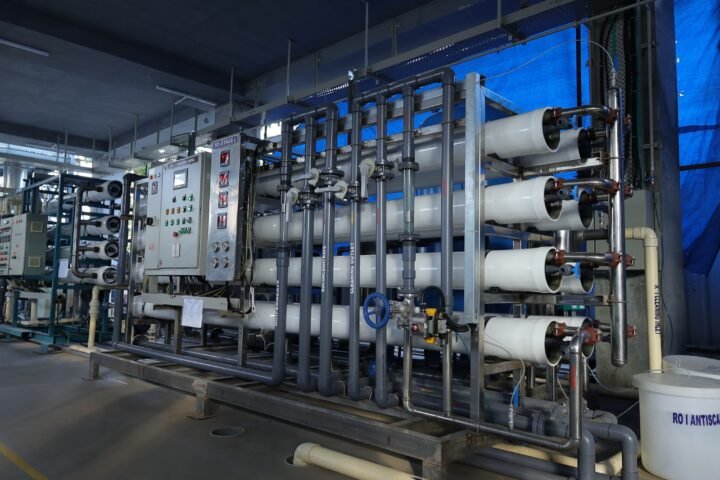
At its core, reverse osmosis works by pushing water through a specialized membrane that helps reduce dissolved solids, impurities, and various unwanted particles. The result is often noticeably cleaner-tasting water with improved clarity and freshness.
What makes the technology appealing is that it doesn’t just target one specific issue. It addresses a broad range of water concerns simultaneously, which is especially useful in areas where mineral content or water conditions fluctuate throughout the year.
Years ago, these systems felt large and industrial. Today, many are compact enough to fit neatly beneath a kitchen sink.
The Everyday Benefits People Notice First
Interestingly, most homeowners don’t talk about technical filtration details once a system is installed. They talk about the little things instead.
Tea tastes brighter. Pasta cooks better. Coffee smells richer somehow. Ice cubes stop carrying odd freezer flavors. Even cooking vegetables can feel different because the water itself no longer interferes with flavor.
And then there are the habits.
Reusable water bottles get filled more often. Kids stop asking for flavored drinks constantly. Guests stop reaching for bottled water because the tap actually tastes good.
These changes aren’t dramatic enough to transform someone’s life overnight, but they quietly improve the rhythm of daily living.
Why More Families Are Choosing Reverse Osmosis Systems
For households looking for deeper purification, reverse osmosis systems often become the preferred option because they balance effectiveness with practicality.
People like knowing there’s a structured filtration process happening beneath the sink without needing to think about it constantly. Once installed, the system mostly fades into the background — which honestly is exactly what most homeowners want.
Nobody wants another complicated appliance demanding attention every day.
The convenience factor matters too. Instead of buying endless cases of bottled water, families simply use the kitchen tap confidently. Over time, that can reduce both waste and monthly expenses while creating a more sustainable routine overall.
Water Quality Isn’t the Same Everywhere
One important thing homeowners eventually realize is that water conditions vary dramatically depending on location.
Some regions struggle with hard water and mineral buildup. Others deal with chlorine-heavy municipal treatment or sediment from older infrastructure. Rural well systems face their own unique challenges entirely.
That’s why there’s no single perfect solution for everyone.
A household dealing mainly with chlorine taste may only need moderate filtration. Another family with mineral-heavy groundwater might require more advanced purification. Testing local water conditions before choosing a system usually leads to far better results than buying equipment blindly based on advertising.
Better Water Creates Quiet Peace of Mind
At the end of the day, improving home water quality isn’t really about chasing perfection. It’s about comfort.
It’s about pouring a glass of water late at night without wondering how it will taste. It’s about making coffee in the morning and actually enjoying it. It’s about trusting what comes from the kitchen tap instead of constantly stocking plastic bottles in the garage.
And maybe that’s why water upgrades feel surprisingly satisfying compared to many other home improvements. They don’t just improve one room or one appliance. They quietly touch almost every part of everyday life.
Once people experience cleaner, fresher water consistently, they usually realize something simple but important: good water doesn’t need to be exciting. It just needs to work quietly in the background, making home feel a little healthier and a little more comfortable every single day.