There’s something comforting about living in a home connected to a private well. People often talk about the independence that comes with it — no monthly municipal water bill, fewer worries about city infrastructure problems, and a sense of self-reliance that feels increasingly rare these days.
But well water also asks homeowners to pay attention in ways city water sometimes doesn’t.
You can’t really assume everything is fine just because the water runs clear. And honestly, that’s probably the biggest misunderstanding people have about private wells. Water can look perfectly normal while still carrying minerals, bacteria, or contaminants you’d never notice without proper testing.
That sounds alarming, maybe, but it doesn’t have to be. It’s more about awareness than fear.
The Little Clues People Tend to Ignore
Most well water issues start quietly.
Maybe there’s a faint sulfur smell every now and then. Maybe the kitchen sink leaves orange stains around the drain. Some people notice their laundry feels rougher than usual, or their coffee tastes slightly metallic. Others only realize something has changed after guests comment on the taste of the tap water.
And here’s the thing — humans adapt quickly. We get used to small inconveniences until they stop feeling unusual altogether.
A family friend once lived with hard, iron-heavy well water for nearly a decade before doing anything about it. They had become so accustomed to cleaning reddish stains from sinks and tubs that they assumed it was just “part of country living.”
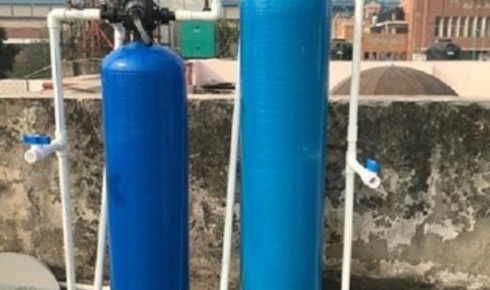
Turns out, a relatively simple filtration setup solved most of the problem within weeks.
Funny how quickly frustration becomes normal when it’s part of everyday life.
Why Regular Testing Actually Matters
Private wells don’t have the same ongoing oversight municipal water systems receive. That doesn’t automatically mean well water is unsafe — many homes have excellent well water — but it does mean the responsibility shifts to the homeowner.
That’s why well water testing matters so much.
Testing helps identify bacteria, mineral content, nitrates, pH imbalances, and other potential concerns before they become larger problems. And honestly, testing isn’t only about detecting danger. Sometimes it simply explains why your water tastes strange or why your appliances wear out faster than expected.
Water conditions can also change over time due to weather patterns, nearby construction, seasonal runoff, or aging well equipment. A well that tested perfectly five years ago may not behave exactly the same today.
Regular testing keeps homeowners informed instead of guessing.
And peace of mind? That alone is worth a lot.
Good Drinking Water Changes Everyday Routines
People underestimate how much water affects daily comfort until they experience genuinely clean, balanced water at home.
You notice it in the simplest moments. Ice cubes become clearer. Tea tastes brighter somehow. Pasta cooks without that odd mineral aftertaste. Even brushing your teeth feels different.
Clean drinking water has a subtle way of improving routines people rarely think about consciously.
I remember visiting relatives who had recently upgraded their filtration system after years of dealing with heavy sulfur odors from their well. The first thing they said wasn’t about the equipment itself — it was, “We finally stopped buying bottled water.”
That stuck with me because it captured something simple but important. They trusted their tap again.
And honestly, that trust matters more than people realize.
Hard Water and Minerals Wear Down More Than Patience
One of the most common issues with private wells is hard water. Minerals like calcium, magnesium, and iron naturally occur in groundwater, and while they’re not always harmful, they can create constant low-level frustration around the house.
Soap doesn’t lather properly. Dishes come out spotted. Water heaters collect scale buildup. Showerheads clog faster than they should. Skin and hair often feel dry after showers.
None of these things feel catastrophic individually, but together they shape daily life in surprisingly noticeable ways.
Over time, untreated mineral-heavy water can also reduce appliance efficiency and shorten the lifespan of plumbing systems. It’s the kind of gradual wear people rarely notice until repair bills start arriving.
That’s why thoughtful water treatment solutions become important for many well-water households. Not because homeowners want perfection, but because they want water that feels easier to live with every day.
There’s No Universal Fix for Well Water
One thing people quickly learn about well water is that every property is different.
A neighbor’s system may not solve your issue at all. Some homes deal mostly with iron. Others struggle with bacteria, sediment, sulfur odors, or extremely hard water. The right solution depends entirely on what testing reveals.
That’s why rushing into expensive equipment without understanding the actual problem usually backfires.
Honestly, the best professionals tend to ask more questions than they answer at first. They want to understand the water source, the symptoms, the testing results, and the household’s priorities before recommending anything.
That approach usually leads to better long-term outcomes — and fewer wasted purchases.
Better Water Quietly Makes Home Feel Better
What surprises many homeowners after improving their well water isn’t some dramatic overnight transformation. It’s the small comforts.
Laundry feels softer. Glassware stays clearer. Showers become more enjoyable. Cooking tastes more consistent. Faucets stop collecting stains so quickly.
Little things, really.
But those small improvements show up every single day, woven into ordinary routines people care about more than they realize.
At the end of the day, water is one of the foundations of home life. We rely on it constantly, often without thinking twice. And maybe that’s exactly why it deserves a little more attention than most of us give it.
Because when the water feels right, the whole house somehow feels better too.