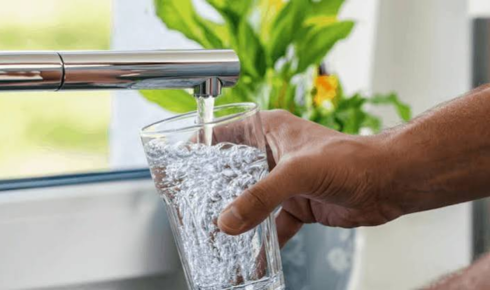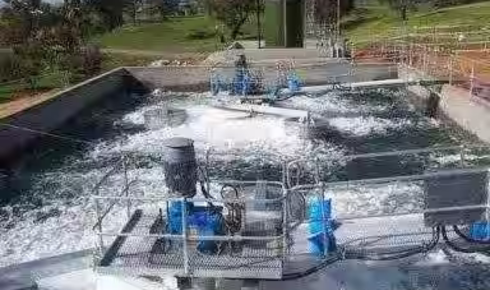
There’s something quietly fascinating about water—it’s everywhere, yet rarely examined. You turn on the tap, fill a glass, take a sip, and move on. No label to read, no ingredients list to scan. Just trust.
But every now and then, something interrupts that trust. A taste that lingers a bit too long. A faint smell that doesn’t quite belong. Or maybe just a passing thought: what’s actually in this water?
It’s not a dramatic question. It’s a practical one.
The Things You Don’t See, But Still Experience
Water doesn’t always reveal its story through appearance. It can look perfectly clear and still carry elements that affect how it tastes, smells, or behaves in your home.
These are often grouped under the term water contaminants, but that phrase can feel heavier than necessary. Not all contaminants are harmful in the way people imagine. Many are simply minerals or trace substances that naturally occur in water sources or are introduced during treatment.
Still, they can influence your experience in subtle ways. And once you notice those differences, it’s hard to ignore them.
When “Safe” Isn’t the Same as “Ideal”
Most municipal water systems do a solid job of making water safe. That’s important, and it’s something we rely on daily. But safety standards don’t always guarantee comfort.
There can still be chlorine, dissolved solids, or other elements that leave behind a taste or smell. Nothing alarming, just… noticeable.
That’s where the idea of contaminant reduction starts to make sense. It’s not about removing everything—it’s about improving the overall feel of your water. Making it more neutral, more consistent, easier to live with.
And sometimes, even a small improvement can make a surprisingly big difference.
The Everyday Clues We Tend to Overlook
Water rarely demands attention. It hints at things instead.
Your kettle builds up scale faster than expected. Your dishes come out slightly cloudy. Soap doesn’t lather the way it should. These aren’t urgent problems, but they add friction to your daily routine.
Individually, they’re easy to ignore. But together, they start to form a pattern.
And that pattern often points back to the composition of your water.
Understanding Before Changing
It’s easy to jump straight into solutions, especially when there are so many options available. Filters, purifiers, softeners—it can feel like a long list of things you’re supposed to understand.
But the truth is, not every situation requires the same approach.
Taking a moment to understand your water—what it contains, how it behaves—can save a lot of guesswork. It turns a vague concern into something specific and manageable.
And once you have that clarity, the next step becomes much easier.
When Solutions Start to Feel Practical
At some point, curiosity turns into action. Not because something is wrong, but because you want something better.
That’s where contaminant removal comes into the picture. And despite how it sounds, it doesn’t have to be complicated.
It might mean installing a simple filter to improve taste. Or choosing a system that targets specific elements affecting your water. The goal isn’t perfection—it’s improvement.
And the improvements don’t have to be dramatic to matter.
The Changes You Notice Over Time
Better water doesn’t usually announce itself. It shows up quietly.
Your water tastes cleaner. Your appliances seem to last longer. Cleaning feels a bit easier. Small things, scattered across your day.
Then, after a while, you realize you’re not thinking about your water anymore. The small annoyances that used to catch your attention? They’ve faded into the background.
And that’s when it clicks.
Why We Tend to Wait
If water affects so many aspects of daily life, why do we often wait to address it?
Because it doesn’t feel urgent.
Water issues sit in that grey area—noticeable, but manageable. Easy to adapt to, easy to overlook. You get used to them, even if they’re not ideal.
Until something nudges you to take a closer look.
A Simpler Way to Think About It
You don’t need to turn this into a major project. You don’t need to fix everything at once. But paying a little more attention to your water—just a little—can lead to meaningful improvements.
Start with what you notice. Taste, smell, clarity. Then take a step toward understanding it.
From there, the path becomes clearer.
Ending With a Quiet Thought
Water is one of those things we rely on every day without really thinking about it. It’s part of the background, part of the routine.
But every now and then, it’s worth bringing it into focus.
Not because something is wrong—but because there might be a better way to experience something so essential. And sometimes, that better experience starts with understanding what’s already there.