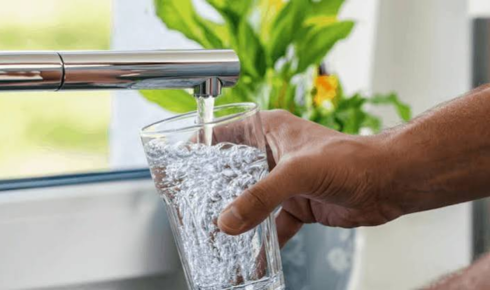
There’s a quiet kind of trust we place in water. You turn on the tap, fill a glass, and drink without a second thought. It’s one of those daily habits that feels almost too ordinary to question. But lately, that trust has started to feel… a bit more complicated.
Not because water suddenly changed overnight, but because we’re learning more about what’s been there all along.
A Deeper Look Beneath the Surface
If you’ve ever skimmed through a water quality report, you might’ve noticed a long list of substances most people have never heard of. Names that feel more like chemistry class than something tied to your kitchen sink.
Among them are compounds like pfoa pfos, which have been widely used in industrial and consumer products for decades. They helped make things stain-resistant, waterproof, heat-resistant—you know, the kind of everyday conveniences we rarely question. But as it turns out, convenience sometimes comes with a hidden cost.
These substances don’t break down easily in the environment. Once they’re out there, they linger. And over time, they’ve found their way into places we didn’t expect—soil, air, and yes, even water.
The Story of “Forever” Compounds
It’s not exactly reassuring to hear something described as lasting “forever,” especially when it’s not supposed to be inside your body. That’s why the term forever chemicals has started showing up more often in conversations around health and environmental safety.
It sounds dramatic, sure. But the reality behind it is fairly straightforward. These compounds resist natural degradation, meaning they can accumulate over time rather than disappear. And when they enter water systems, they don’t just vanish after treatment.
Now, that doesn’t mean every glass of water is unsafe. Not at all. But it does mean the conversation around water quality is evolving. It’s no longer just about clarity or taste—it’s about what’s invisible, too.
How Contamination Happens Without Us Noticing
Water doesn’t exist in isolation. It moves through ecosystems, industrial areas, farmland, cities—picking up traces of everything along the way. Sometimes those traces are harmless. Other times, not so much.
That’s where water contamination becomes a real concern. It’s not always dramatic or visible. In fact, most of the time, it’s subtle. You won’t see it floating in your glass or smell it when you turn on the tap. It’s the kind of issue that builds quietly over time.
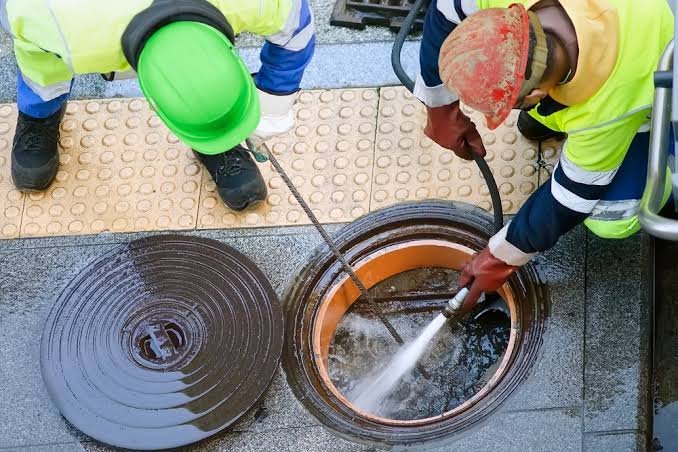
Sources can vary. Industrial runoff, outdated waste disposal practices, even everyday household products can play a role. And because water systems are interconnected, contamination in one area can sometimes affect another in ways people don’t immediately realize.
So… What Does This Mean for You?
This is usually the point where people start wondering if they should be worried. And honestly, “worried” might not be the right word. Aware? That feels more accurate.
Understanding that these substances exist—and that they’ve been part of our environment for a while—doesn’t automatically mean something is wrong with your water. But it does open the door to asking better questions.
Where does your water come from?
How is it treated?
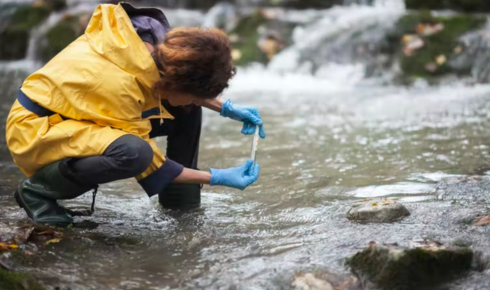
Have there been any recent reports or tests in your area?
These aren’t questions people used to ask regularly. Now, they’re becoming part of the conversation.
Small Shifts, Meaningful Impact
For some, awareness leads to action. That might mean installing a filtration system, switching to filtered pitchers, or simply staying informed about local water quality reports.
For others, it’s more about peace of mind—knowing they’ve looked into it and feel comfortable with what they’ve found.
There’s no one-size-fits-all solution here. And that’s okay.
What matters is that the conversation is happening. That people are paying attention, even if just a little more than before.
Final Thoughts
Water has always been one of those things we take for granted—until something nudges us to look closer. And maybe that’s not a bad thing.
Because when you pause, even briefly, to think about what you’re consuming every day, it changes your perspective. Not in a way that creates fear, but in a way that builds understanding.
And in the long run, that understanding tends to lead us toward better choices—quietly, naturally, and without forcing it.