There’s a moment most of us don’t anticipate—the day hot water suddenly becomes unpredictable. One shower runs perfectly, the next turns lukewarm halfway through. You stand there, adjusting the tap like it might somehow fix itself.
It doesn’t.
And just like that, something you never thought about becomes a decision you have to make.
The Everyday System You Rarely Notice
Hot water isn’t something we admire. It doesn’t get the same attention as a renovated kitchen or a new piece of furniture. But it quietly shapes your daily life in more ways than you realize.
From morning routines to late-night cleanups, it’s always there—until it isn’t.
That’s when people start looking closer at their hot water systems, trying to understand what’s working, what’s not, and what might need to change. And surprisingly, there’s more to it than just “old or new.”
The Familiar Option That Still Holds Strong
For many homes, traditional water heaters are the default choice. They’ve been around for decades, and there’s a reason they’ve stuck.
They store a set amount of hot water in a tank, keeping it ready for use. It’s simple, predictable, and generally reliable. Most people understand how they work, even if only at a basic level.
But they do come with limitations. Once the tank runs out, you’re waiting. And depending on the size of your household, that wait can feel longer than it should.
Still, there’s something comforting about familiarity. These systems have a track record, and for many, that’s enough.
The Modern Alternative That Changed Expectations
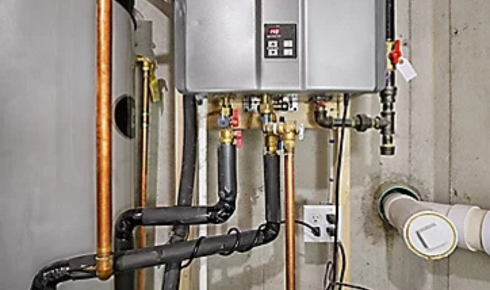
Then there’s the newer option—tankless water heaters—and they’ve shifted the conversation quite a bit.
Instead of storing hot water, they heat it on demand. No tank, no waiting for reheating cycles. Just a continuous flow, as long as you need it.
It sounds ideal, and in many ways, it is. But it’s not always a perfect fit for every home. Installation can be more complex, and the upfront cost is often higher.
That said, for households with high water usage or those looking for efficiency, it can be a game-changer.
It’s Not Just About Technology—It’s About Fit
Here’s where things get interesting. The “best” option isn’t always the newest or the most advanced. It’s the one that fits your lifestyle.
A smaller household might find a traditional system perfectly adequate. A larger family, constantly juggling showers, laundry, and dishes, might benefit more from a tankless setup.
It’s less about features and more about how you actually use water in your day-to-day life.
The Cost Conversation (Because It Matters)
Let’s not pretend cost isn’t part of the equation—it always is.
Traditional systems tend to be more affordable upfront. Tankless units, while more expensive initially, can offer savings over time through improved energy efficiency.
But numbers only tell part of the story.
There’s also the cost of convenience. The value of not running out of hot water. The relief of knowing your system can keep up with your routine without interruption.
Sometimes, those factors matter just as much as the price tag.
Longevity and Maintenance—The Long Game
Another thing worth considering is how long these systems last and what they require to stay in good shape.
Traditional heaters often need replacement sooner, especially if maintenance is overlooked. Tankless systems, on the other hand, can last longer but may require regular descaling, especially in areas with hard water.
Neither option is maintenance-free. It’s just a matter of what kind of upkeep you’re comfortable with.
Making the Decision Without Overcomplicating It
It’s easy to get caught up in comparisons, specifications, and recommendations. But at the end of the day, the decision doesn’t have to be overwhelming.
Think about your routine. Your household size. Your expectations.
Do you value simplicity and familiarity? Or are you looking for efficiency and long-term performance?
There’s no wrong answer—just different priorities.
A Quiet Upgrade That Changes Everything
When you finally make a choice and everything is set up properly, something shifts. Not dramatically, not in a way that demands attention—but quietly.
Showers feel consistent. Tasks get done without interruption. You stop thinking about hot water altogether.
And that’s the point.
Final Thoughts
Water heaters aren’t exciting. They don’t add visual appeal or become a topic of conversation. But they support something essential—comfort, routine, and a sense of normalcy in your home.
So when the time comes to choose between systems, don’t rush it. Take a moment. Understand your needs. Ask the right questions.
Because the best system isn’t the one with the most features.
It’s the one that fits so seamlessly into your life, you forget it’s even there.