
Most people don’t think much about their home’s water until something starts feeling a little off. Maybe the tap water suddenly tastes metallic after a storm. Maybe there’s a faint smell in the kitchen sink that wasn’t there before. Sometimes it’s even more subtle than that — dry skin after showers, cloudy dishes, or coffee that somehow never tastes quite right anymore.
The thing is, water problems rarely arrive all at once. They creep in slowly. A little mineral buildup here. A slight chlorine taste there. Over time, people adjust without realizing how much their daily routines are quietly shaped by the quality of the water flowing through the house.
And honestly, that’s why better water often feels surprisingly life-changing once it improves.
Water Affects More Than Just What You Drink
We tend to associate water quality mainly with drinking water, but water touches almost every corner of daily life. It runs through appliances, fills bathtubs, washes clothes, cooks meals, and steams through coffee makers every single morning.
When water quality declines, even slightly, the effects spread further than most homeowners expect.
Hard minerals can wear down plumbing systems over time. Sediment can collect inside appliances. Chlorine-heavy water may affect taste, odor, and even skin comfort after showers. In older homes, aging pipes sometimes introduce additional concerns people don’t immediately notice.
That’s one reason many homeowners now look into water treatment solutions instead of relying only on bottled water or basic faucet filters.
The goal usually isn’t perfection. Most people simply want water that feels cleaner, tastes fresher, and works better throughout the house.
Small Signs Often Point to Bigger Water Issues
One challenge with household water problems is that the warning signs don’t always look dramatic.
Sometimes it’s white spots left on dishes no matter how carefully they’re cleaned. Sometimes laundry feels rough after washing. Other times, the water pressure changes slightly or faucets develop crusty mineral residue faster than expected.
And because these changes happen gradually, homeowners often normalize them.
I remember visiting relatives who complained constantly about replacing their coffee maker every couple of years. They assumed the appliances were cheaply made. Eventually they discovered hard mineral buildup inside the machines was destroying them slowly from the inside. A proper filtration setup ended up saving them money in the long run without them realizing it initially.
Water has a funny way of affecting things quietly before anyone fully connects the dots.
Understanding What Might Be in Your Water
Municipal water systems in many areas do a solid job overall, but even treated water can still carry certain impurities depending on infrastructure, local geology, and seasonal conditions.
Sediment, chlorine byproducts, heavy minerals, rust particles, and other contaminants may exist in varying amounts without making water immediately unsafe. But they can still affect comfort, appliance performance, and overall water experience inside the home.
That’s why testing matters.
A professional water analysis can reveal things homeowners wouldn’t normally identify on their own. Sometimes the issue is simple mineral hardness. Other times, there may be elevated chlorine levels or sediment from older plumbing systems.
Without testing, people often end up guessing — and guessing usually leads to buying the wrong equipment.
Better Filtration Changes Daily Habits
One thing homeowners often mention after improving their water systems is how quickly little routines begin changing.
People drink more tap water because it tastes better. Coffee and tea feel smoother. Cooking becomes easier because there’s more confidence in the water itself.
Reliable filtered water also tends to reduce dependence on bottled water, which saves money and cuts down on plastic waste over time. And honestly, not hauling heavy cases of bottled water home every week feels pretty nice too.
There’s also a comfort factor that’s hard to quantify. Cleaner showers. Softer laundry. Faucets that stay cleaner longer. These aren’t dramatic upgrades people brag about constantly, but they improve everyday life in quiet, consistent ways.
Every Home Needs Something Different
One mistake people sometimes make is assuming there’s one universal “best” water system for every household. In reality, water conditions vary tremendously depending on location and infrastructure.
Homes using well water often face different challenges than homes connected to city systems. Some households mainly deal with hard water minerals, while others struggle more with chlorine taste, sediment, or aging plumbing lines.
That’s why personalized treatment matters more than marketing hype.
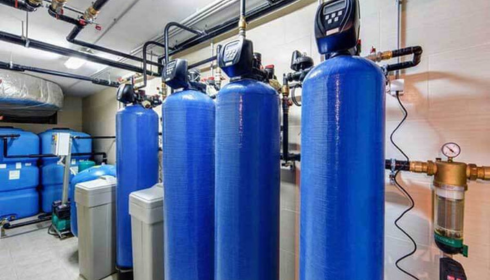
Some homes benefit from reverse osmosis systems for drinking water. Others need whole-house filtration to improve overall water quality throughout showers, appliances, and laundry. Sometimes a simple carbon filter is enough.
The smartest approach usually starts with identifying the actual problem instead of blindly chasing expensive upgrades.
Water Quality Also Impacts Appliances
People rarely connect appliance lifespan to water quality at first, but the relationship is real.
Mineral-heavy water forces dishwashers, washing machines, and water heaters to work harder over time. Scale buildup reduces efficiency and increases wear inside internal components. Sediment can clog valves and plumbing fixtures gradually without obvious warning signs.
Cleaner water often helps systems run more efficiently while reducing maintenance headaches later on.
And considering how expensive modern appliances have become, protecting them makes practical sense beyond comfort alone.
Maintenance Still Matters
Even excellent filtration systems need occasional upkeep. Filters require replacement. Tanks and membranes wear out over time. Ignoring maintenance eventually reduces effectiveness and sometimes creates entirely new issues.
The good news is that modern systems are generally easier to manage than older generations of equipment. Many newer setups even include automatic reminders or monitoring features to simplify maintenance schedules.
Compared to the cost of major plumbing repairs or appliance replacement, routine upkeep is usually fairly manageable.
Final Thoughts
Water quietly shapes daily life in ways most people rarely stop to consider. From cooking and cleaning to appliance efficiency and personal comfort, the quality of your home’s water influences more than just what comes out of the tap.
And once homeowners experience cleaner, more reliable water throughout the house, it often becomes one of those improvements they wish they’d made much sooner.