You don’t really think about air conditioning much when it’s working properly. That’s probably the funny part about comfort — it tends to disappear into the background when everything feels right. The rooms stay cool, the air feels balanced, and life moves on without much thought.
But the second an AC system starts struggling, the whole mood of a home or workplace changes almost immediately.
People get restless. Sleep becomes harder. Productivity drops. Even simple things like cooking dinner or sitting through an afternoon meeting suddenly feel exhausting. Temperature has a sneaky way of affecting everything around us.
I remember helping a friend move into a newly renovated house during the middle of summer. The home looked amazing on the surface — fresh paint, modern flooring, stylish kitchen. But after a few hours inside, it became obvious the cooling system wasn’t keeping up. Certain rooms felt stuffy while others stayed too cold. By evening, everyone was frustrated without fully realizing why.
That experience reminded me how much indoor comfort shapes our daily lives.
Cooling Needs Aren’t the Same for Every Space
One mistake people often make is assuming every building requires the same type of cooling setup. But homes and businesses function very differently.
For example, Residential properties usually prioritize comfort, quiet operation, energy savings, and balanced airflow between living spaces. Families want bedrooms that stay cool overnight, living rooms that feel comfortable during the afternoon, and utility bills that don’t become overwhelming every summer.
Commercial spaces, though, face entirely different challenges. Restaurants generate heat from kitchens. Offices deal with packed rooms and electronics running all day. Retail stores constantly open and close doors, allowing hot air inside throughout business hours.
Different spaces demand different cooling strategies.
And honestly, that’s why proper planning matters more than many property owners initially realize.
Why Installation Quality Changes Everything
There’s a common belief that buying an expensive AC unit automatically guarantees comfort. But the truth is, even high-end equipment can perform poorly if the installation itself isn’t handled correctly.
Incorrect sizing, weak airflow design, poor duct connections, or rushed workmanship can create years of frustration. Rooms cool unevenly. Systems run longer than necessary. Humidity levels become uncomfortable. Energy bills quietly climb higher every month.
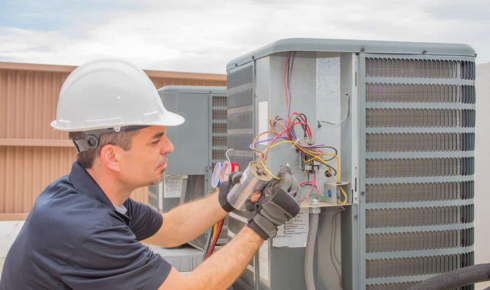
That’s why expert AC installation services matter so much. Skilled technicians look beyond simply placing equipment into a building. They evaluate airflow patterns, insulation conditions, square footage, ceiling height, and how the space actually behaves throughout the day.
The goal isn’t just “cold air.” It’s creating a stable and balanced environment that feels comfortable consistently.
And people notice when it’s done right.
I’ve walked into homes where the cooling feels effortless — every room comfortable, no loud cycling noises, no constant thermostat adjustments. Then I’ve seen homes with expensive systems that somehow still feel uncomfortable because the original installation overlooked key details.
Good installation work often becomes invisible once completed properly. Which is exactly how it should be.
Businesses Depend on Reliable Cooling More Than Ever
Cooling systems aren’t only about comfort anymore. For many businesses, they directly affect customer experience and day-to-day operations.
Think about walking into a café during summer heat. If the room feels stuffy or humid, people probably won’t stay long. Employees become uncomfortable too, which affects energy and focus throughout the day.
Reliable cooling has quietly become part of customer expectations.
That’s especially true for commercial properties where temperature consistency impacts employees, customers, equipment, and even inventory. Medical clinics, restaurants, offices, retail stores — all of them rely heavily on stable indoor environments to function properly.
And when systems fail unexpectedly, the financial impact can escalate fast.
Lost business, emergency repair costs, uncomfortable staff, frustrated customers… it all adds up quickly.
Energy Efficiency Is Becoming a Bigger Priority
Rising utility costs have changed the way people think about air conditioning systems. Homeowners and business owners alike are paying more attention to efficiency than they did a decade ago.
Nobody wants a system that cools effectively but drains money every month.
Modern cooling systems are designed to operate smarter rather than simply harder. Variable-speed technology, zoning capabilities, and improved airflow management help maintain steadier indoor temperatures without constantly running at full power.
The difference often feels subtle at first. The home becomes quieter. Temperatures stay more even. Humidity feels more controlled. Over time, though, those small improvements create a much more comfortable environment overall.
And honestly, people usually don’t realize how much stress an old struggling system created until it’s replaced.
Maintenance Quietly Protects Comfort
One thing people learn quickly about HVAC systems is that problems rarely appear out of nowhere. Weak airflow, strange noises, rising bills, uneven temperatures — warning signs usually show up early.
But life gets busy. Most homeowners and business owners postpone service because the system technically still works.
Until suddenly it doesn’t.
Routine maintenance may not feel exciting, but it keeps cooling systems operating more efficiently and helps prevent expensive emergency breakdowns during peak summer heat.
Clean filters, inspected electrical components, refrigerant checks, and airflow testing all make a bigger difference than most people expect.
Comfort Shapes Daily Life More Than We Realize
At the end of the day, air conditioning isn’t really about machinery. It’s about creating environments where people can relax, work, sleep, and simply feel comfortable existing.
When cooling systems work properly, homes feel calmer. Businesses run smoother. People focus better. Daily life feels easier somehow.
And maybe that’s why reliable AC systems matter more than they often get credit for. They quietly support everyday routines in ways most people barely notice — right up until the moment comfort disappears.