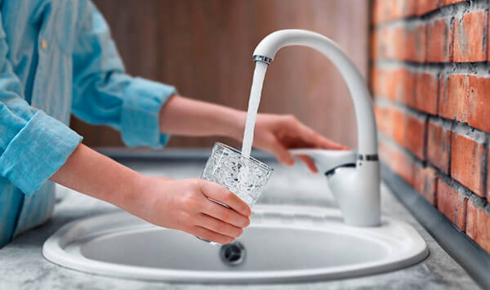
There was a time when most of us didn’t think twice about what came out of the tap. You turned it on, filled a glass, and that was that. Simple, reliable, almost invisible in your daily routine.
But lately, something has shifted. Not dramatically, not overnight — just a slow change in awareness. A headline here, a conversation there. And suddenly, you find yourself pausing for a second longer before taking that sip.
Not out of fear, exactly. More like curiosity.
When the Vocabulary Gets More Complicated
Part of this shift comes from new terms entering everyday conversations. Words that used to belong to scientific reports are now showing up in news articles and community discussions.
One of those terms is per and polyfluoroalkyl substances. It’s a mouthful, no doubt about it. Often shortened to PFAS, these are a group of man-made chemicals that have been used for decades in various products — things designed to resist heat, water, and oil.
They’re useful, in a way. But they also have a tendency to stick around. In the environment, in soil, and sometimes in water systems. And that persistence is what’s brought them into focus.
How Water Picks Up More Than We Realize
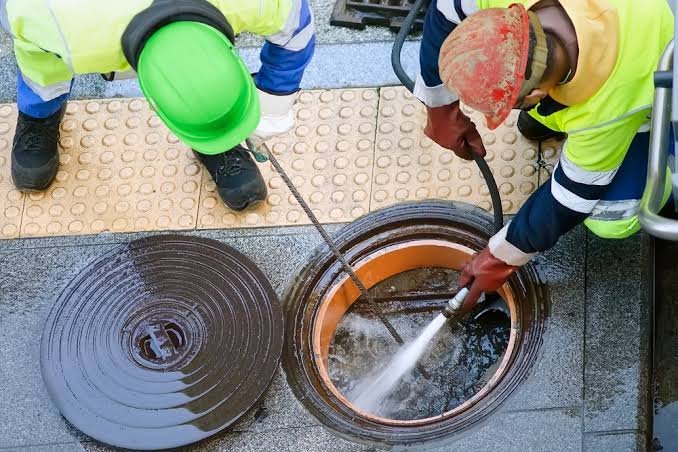
Water doesn’t exist in isolation. It travels — through landscapes, through infrastructure, through systems designed to treat and deliver it safely. Along the way, it interacts with everything it touches.
In some cases, that journey can lead to drinking water contamination, where trace elements from industrial processes or environmental runoff find their way into local supplies.
It’s important to keep this in perspective. Contamination doesn’t always mean immediate danger. In many cases, levels are monitored and regulated. But the presence of these compounds, even in small amounts, is enough to raise questions.
And questions aren’t a bad thing.
The Subtle Nature of Modern Water Issues
What makes this conversation different from older water concerns is how subtle it is. You won’t necessarily taste or smell anything unusual. The water can look perfectly clear, feel completely normal.
That’s part of what makes it harder to grasp.
Unlike issues like chlorine or sulfur, which announce themselves through taste and odor, PFAS and similar compounds operate quietly. They don’t change your immediate experience — they change how you think about long-term exposure.
And that’s where broader water quality concerns start to come into play. Not because something is obviously wrong, but because we’re learning more about what’s possible.
Living With Awareness, Not Anxiety
It’s easy to let these topics spiral into worry. After all, water is something we rely on every single day. The idea that it might carry unseen elements can feel unsettling.
But awareness doesn’t have to lead to anxiety.
In fact, it can be empowering. Knowing more about your water gives you options. It allows you to make informed choices, rather than reacting to uncertainty.
And those choices don’t have to be extreme.
Practical Steps That Make Sense
If you’re curious about your water, testing is a good place to start. It turns abstract concerns into concrete information. You find out what’s actually present, rather than guessing.
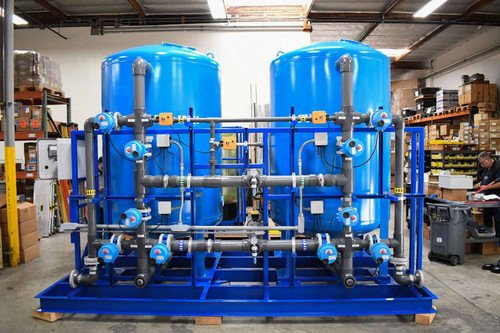
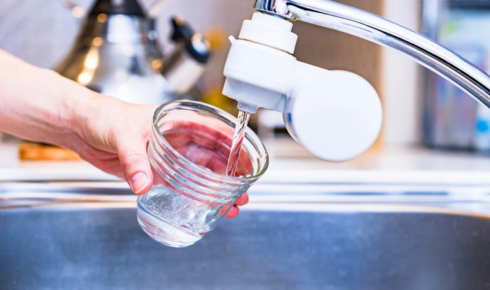
From there, solutions can be as simple or as comprehensive as you need them to be. Some people choose filtration systems for drinking water. Others look at whole-home approaches, depending on their priorities.
The goal isn’t to eliminate every possible trace of every compound. That’s not always realistic. The goal is to reduce exposure in a way that fits your lifestyle.
And often, that’s more manageable than it sounds.
The Bigger Shift in Perspective
What’s really interesting is how this conversation reflects a broader change in how we think about everyday essentials.
Water used to be something we took for granted. Now, it’s something we’re starting to understand more deeply. Not just where it comes from, but what it carries and how it interacts with our lives.
That doesn’t mean everything needs to change. It just means we’re paying attention in a way we didn’t before.
And that attention, over time, leads to better decisions.
Finding Balance in the Information
There’s a lot of information out there — some helpful, some overwhelming. The key is finding a balance.
Stay informed, but don’t let it consume you. Ask questions, but look for reliable answers. Take steps where they make sense, and don’t feel pressured to do everything at once.
Because water, at its core, is still one of the most regulated and monitored resources we have. The systems in place are constantly evolving, improving, adapting to new knowledge.
And that’s a good thing.
Closing Thoughts
That extra second you spend thinking about your water? It’s not a sign of worry. It’s a sign of awareness.
We’re learning more about what flows into our homes, and that knowledge gives us the opportunity to make thoughtful choices. Not perfect ones, not drastic ones — just informed ones.
And in the end, that’s what matters. Water that feels not just safe, but understood.