There’s a particular kind of frustration that comes with an air conditioner giving up on a hot day. One minute, everything seems normal. The next, the house feels warmer, the airflow seems weaker, and suddenly everyone is standing near the thermostat wondering what went wrong.
Most homeowners don’t think much about their cooling equipment when it works properly. And honestly, why would they? A good system should quietly do its job in the background. But like any hardworking piece of equipment, an air conditioner needs occasional attention. Understanding when a problem needs repair, when a new system may be the better choice, and why proper installation matters can make those decisions far less stressful.
The Small Warning Signs Are Worth Noticing
Air conditioning problems don’t always begin with a dramatic breakdown. Sometimes the signs are easy to miss.
Maybe one room no longer cools as well as the others. Perhaps the system takes much longer to reach the temperature set on the thermostat. Strange rattling, buzzing, clicking, or grinding sounds can also indicate that something isn’t working as smoothly as it should.
A sudden increase in energy bills may be another clue. Of course, higher bills can have several causes, including hotter weather or increased use. But if the change seems unusual, the cooling system may be working harder than necessary.
Homeowners can start by checking the basics. A dirty air filter, blocked vent, or incorrect thermostat setting can sometimes cause surprisingly noticeable performance issues. If those simple checks don’t solve the problem, though, it may be time to investigate further.
When Air Conditioning Repair Makes Sense
A system doesn’t need to be replaced every time something goes wrong. In many cases, air conditioning repair is the most practical and affordable option.
A relatively new system with a single faulty component may have plenty of useful life remaining. Problems involving electrical connections, drainage, airflow, or worn parts can often be addressed without replacing the entire unit.
The important thing is identifying the real cause. A system that repeatedly shuts down, produces weak airflow, or struggles to cool the home may have an underlying issue that won’t disappear simply because one visible symptom is fixed.
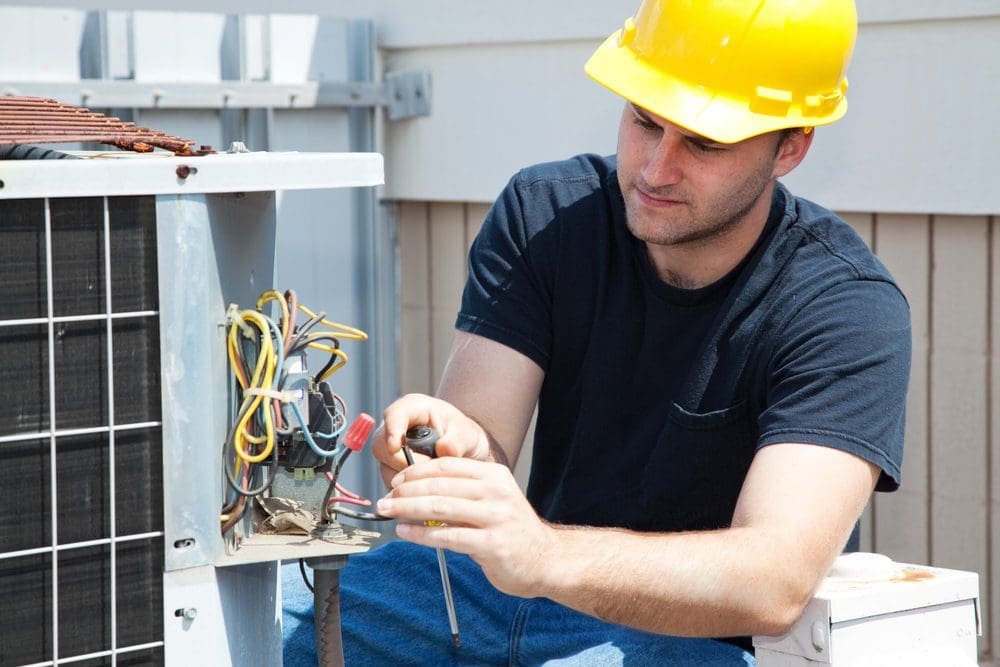
This is where experience matters. Guessing at repairs can become expensive quickly. Online videos can be useful for basic maintenance, but cooling equipment involves electrical components and specialized systems that aren’t always suitable for DIY troubleshooting.
Sometimes, calling a technician early can prevent a relatively manageable problem from becoming a larger one.
Repair or Replacement? Look at the Bigger Picture
Eventually, every homeowner faces the question: is this system worth repairing again?
There isn’t a magic age at which every air conditioner should be replaced. Some systems remain dependable for years, while others develop problems earlier because of heavy use, poor installation, or neglected maintenance.
Consider the system’s overall condition rather than focusing only on one repair bill. If repairs are becoming frequent, performance has declined, and operating costs continue to rise, replacement may be worth discussing.
A good technician should explain the options honestly. You should understand what is wrong, what the repair is expected to accomplish, and whether additional problems may be likely in the near future.
Nobody enjoys making a major household purchase unexpectedly. Having clear information at least makes the decision feel less like a gamble.
Why Proper Installation Matters From the Beginning
Buying quality equipment is important, but the installation process can have just as much influence on future performance. Proper air conditioning installation is not simply a matter of putting a new unit in place and switching it on.
The equipment needs to suit the home. Factors such as the size and layout of the property, insulation, windows, ceiling height, local climate, and existing airflow all deserve consideration.
A unit that’s too large may cool the space quickly but cycle on and off more frequently than necessary. A system that’s too small may run for long periods while struggling to maintain a comfortable temperature.
Ductwork and airflow should also be considered where applicable. Even excellent equipment can disappoint if important parts of the overall system are ignored.
Taking time to assess these details before installation can prevent years of uneven temperatures and unnecessary frustration.
Maintenance Is Less Exciting Than a Breakdown—and That’s the Point
Nobody wakes up excited to schedule HVAC maintenance. It usually ends up somewhere near the bottom of the household to-do list, right beside cleaning the garage and sorting through old paperwork.
Still, routine care can make a real difference.
Filters should be checked and replaced or cleaned according to the equipment manufacturer’s recommendations and household conditions. Homes with pets, high dust levels, or frequent system use may need more frequent attention.
Outdoor equipment should be kept reasonably clear of leaves, grass, branches, and other debris. Indoor vents should remain open and unobstructed by furniture or storage.
Professional inspections can also help identify developing issues before they become obvious. A worn component, drainage problem, restricted airflow, or electrical concern may be easier to address before the system is placed under heavy demand.
Maintenance cannot guarantee that nothing will ever break. Mechanical equipment simply doesn’t work that way. But it can reduce unpleasant surprises.
The Value of Professional Experience
When cooling equipment develops a serious problem, choosing professional service can provide more than just a quick fix.
A qualified technician can inspect the system, identify potential causes, and explain the available options. Clear communication is important because homeowners shouldn’t feel pressured into an expensive decision they don’t understand.
Before agreeing to major work, it’s reasonable to ask questions. What caused the problem? Is repair a sensible option? How long might the repair last? Are there other components showing signs of wear?
A trustworthy professional should be willing to explain these things in plain language.
Price matters, naturally, but the cheapest quote isn’t always the best value. Installation quality, experience, warranties, communication, and the reliability of the work can all affect the long-term outcome.
Don’t Ignore Changes in How Your Home Feels
Your home often provides the first clues that something has changed.
Perhaps certain rooms are suddenly warmer. Maybe the system runs longer than usual, or the airflow feels weaker. New sounds and unusual odors should also be taken seriously rather than simply ignored.
That doesn’t mean every small change requires an emergency appointment. Sometimes the cause is simple. But repeated or worsening problems deserve attention.
Keeping a basic record of previous maintenance and repairs can also be helpful. Over time, patterns may emerge. If the same issue keeps returning, that information can help a technician understand the larger problem.
Comfort Comes From Smart Decisions, Not Just New Equipment
A comfortable home doesn’t necessarily need the newest or most expensive cooling system available. What matters is having equipment that suits the space, receives appropriate care, and is repaired or replaced at the right time.
Pay attention to warning signs. Handle simple maintenance tasks regularly. Ask questions when repairs are recommended, and don’t rush into replacement without understanding the condition of the existing system.
When a new installation becomes necessary, take the time to choose equipment and professionals carefully. A thoughtful decision made before the hottest part of the year is usually far easier than an emergency decision made when the entire house is already uncomfortable.
In the end, reliable cooling is about more than machinery. It’s about sleeping comfortably, working without distraction, relaxing at home, and not having to worry every time the temperature outside starts climbing.
A little attention today can help keep those stressful, sweaty surprises from showing up tomorrow.