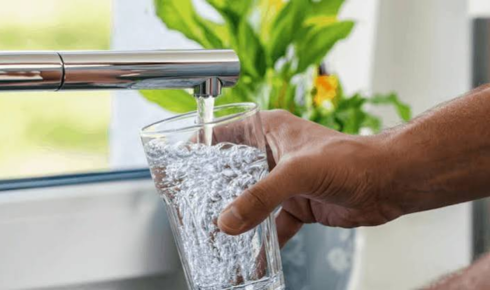
Most people don’t spend much time thinking about water until something feels slightly off. Maybe the coffee tastes different lately. Maybe your dishes come out cloudy no matter how much rinse aid you use. Or maybe there’s that faint swimming-pool smell from the kitchen sink every now and then.
Water tends to fade into the background of daily life — right up until it doesn’t.
And honestly, that’s understandable. We trust the tap because it’s always been there. But as more homeowners learn about local water conditions, aging infrastructure, and filtration options, conversations around household water quality have quietly become a lot more common.
Not out of fear, necessarily. More because people are realizing how deeply water affects everyday comfort.
Small Clues Often Point to Bigger Water Issues
Water problems rarely arrive with dramatic warning signs. More often, they show up in tiny frustrations people learn to live with.
Soap doesn’t lather properly. Skin feels dry after showers. Faucets collect stubborn white buildup. Ice cubes smell strange after sitting in the freezer. These things seem unrelated at first, but water quality often sits at the center of all of them.
The tricky part is that homeowners adapt quickly. Over time, people stop noticing gradual changes because they become part of normal life.
I remember visiting a friend’s house where the tap water had such a strong chlorine smell that it reminded me of a hotel swimming pool. They barely noticed it anymore because they’d gotten used to it after years living there.
Funny how easily humans normalize things.
Understanding What’s Actually in Water
One term homeowners often hear during filtration discussions is total dissolved solids. It sounds technical — because it is — but the concept itself is pretty simple.
Total dissolved solids, or TDS, refers to the tiny minerals, salts, and substances dissolved in water. Some are harmless and naturally occurring. Others can affect taste, odor, appliance performance, or overall water quality depending on concentration levels.
High TDS levels don’t automatically mean water is unsafe. In many cases, minerals are perfectly normal. But elevated levels can influence how water tastes, how it interacts with plumbing systems, and even how efficiently appliances operate over time.
That’s why water testing matters so much. It gives homeowners actual information instead of vague assumptions based on taste or appearance alone.
Because clear water isn’t always clean water — and cloudy water isn’t always dangerous either.
Chlorine Isn’t Always the Enemy, But It Can Be Unpleasant
Municipal systems use chlorine for an important reason: disinfecting water and reducing harmful bacteria. In many ways, it’s a critical part of public health.
Still, excessive chlorine can affect the experience of using water daily.
Strong smells, unpleasant taste, dry skin after bathing — these are common complaints in some areas, especially during seasonal treatment adjustments. That’s where chlorine testing becomes useful for homeowners trying to understand why their water suddenly feels different.
And honestly, water taste matters more than people sometimes admit.
If your tap water tastes harsh or chemical-heavy, chances are you’ll drink less of it and rely more on bottled water instead. Families often spend hundreds of dollars a year on bottled water without realizing the long-term cost simply because they dislike how their tap water tastes.
A good filtration setup can completely change that experience.
The Hidden Impact Water Has on Your Home
People tend to focus on drinking water first, which makes sense. But water quality affects nearly every system inside a house.
Dishwashers, washing machines, water heaters, refrigerators, plumbing fixtures — they all interact with water constantly. Mineral-heavy water can create buildup over time. Sediment may reduce efficiency. Hard water stains become a regular cleaning battle nobody enjoys.
Even showers feel different depending on local water conditions.
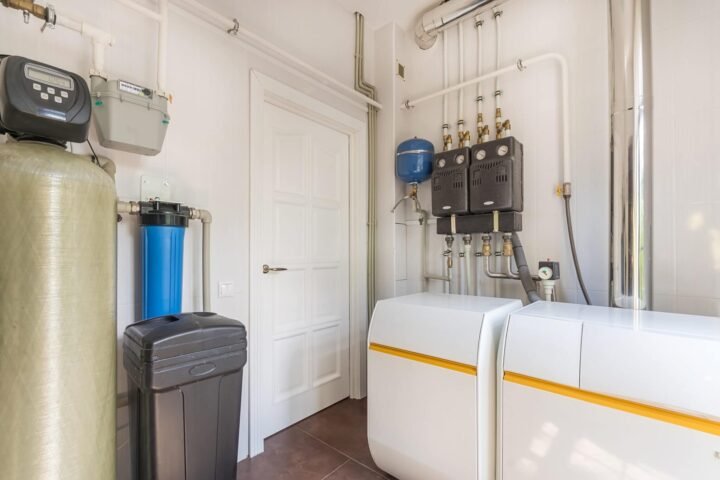
That’s one reason more homeowners are investing in a proper water system tailored to their specific needs rather than using temporary fixes everywhere. Some homes benefit most from softeners. Others need carbon filtration, reverse osmosis, or sediment removal depending on what testing reveals.
The important thing is solving the right problem instead of buying random equipment based on internet marketing.
Because honestly, the water treatment industry can get overwhelming fast if you start researching without guidance.
Better Water Changes Daily Life in Quiet Ways
What’s interesting is how subtle the improvements feel once water quality gets better.
You stop noticing strange odors from the sink. Coffee tastes smoother. Glassware comes out cleaner. Towels feel softer after laundry. Soap rinses properly again. These changes don’t feel dramatic in a movie-scene kind of way, but they quietly improve everyday routines.
And eventually, those upgrades disappear into normal life — which is probably the best outcome possible.
Nobody wants to constantly think about their water. They just want it to work properly without weird smells, odd tastes, or hidden problems lurking behind the scenes.
Paying Attention Early Saves Trouble Later
The truth is, water issues usually become more expensive the longer they’re ignored.
Mineral buildup damages appliances gradually. Sediment clogs fixtures. Poor-quality water shortens the lifespan of plumbing systems over time. And because these problems build slowly, homeowners often don’t connect them back to water until major repairs appear.
That’s why testing and preventive maintenance matter so much. Not because every home has dangerous water, but because understanding your water helps you make smarter decisions before frustrations turn into expensive problems.
At the end of the day, water is one of those things people expect to be simple. Yet it quietly influences comfort, health, cleaning, cooking, and even household expenses every single day.
And maybe that’s exactly why it deserves a little more attention than most of us give it.