Water is one of the few things we rely on every single day without giving it much thought. It’s there when we brew coffee before work, rinse vegetables for dinner, fill a pet’s bowl, or enjoy a warm shower after a long day. Most of the time, we simply expect it to be clean, safe, and pleasant to use.
But when something changes—a strange taste, cloudy appearance, lingering odor, or stubborn mineral spots—it quickly becomes clear just how important water quality really is. Those little signs often leave homeowners wondering where to begin.
The answer usually isn’t buying the first filter you find online. It starts with understanding your water and choosing the right treatment approach for your specific home. Water quality isn’t one-size-fits-all, and neither is water treatment.
Every Home Has a Different Water Story
Even homes located on the same street can experience different water conditions.
Municipal water travels through treatment plants, pumping stations, and miles of underground piping before reaching your faucet. Along the way, plumbing materials, aging infrastructure, and local conditions can slightly influence the water that arrives at your home.
Private wells are even more unique. Groundwater changes with rainfall, seasonal conditions, surrounding geology, and natural mineral deposits. That means every well has its own characteristics.
Because of these differences, understanding your home’s water should always come before choosing filtration equipment.
How the Water Filtration Process Really Works
Many people imagine filtration as a single filter catching everything that passes through it. In reality, the water filtration process is often made up of several treatment stages working together.
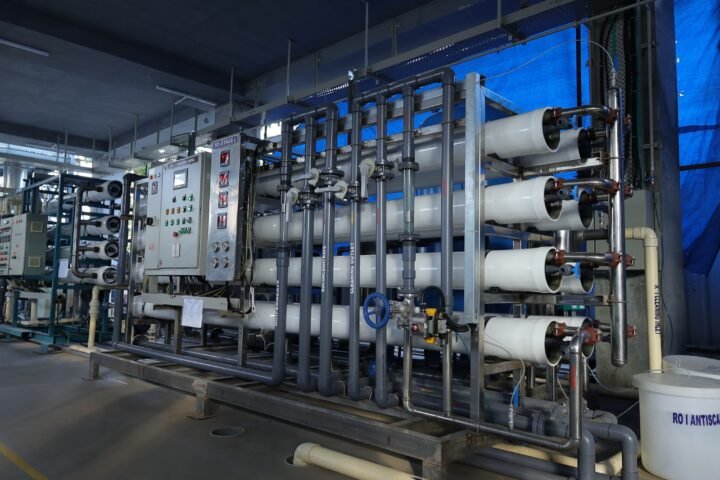
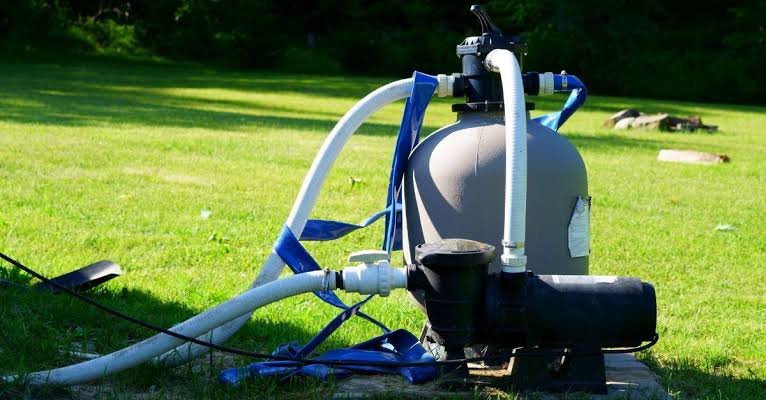
Sediment filters remove sand, dirt, and tiny particles that can clog plumbing and appliances. Activated carbon filters improve taste and reduce chlorine and odors. Water softeners target hardness minerals that create scale buildup, while reverse osmosis systems help reduce many dissolved substances from drinking water.
Some homes also benefit from ultraviolet disinfection or specialized filters designed to address iron, sulfur, or manganese.
The goal isn’t simply filtering water—it’s solving the specific challenges your water presents.
Why Water Quality Matters Beyond Drinking
When people think about filtration, drinking water is usually the first thing that comes to mind. That’s certainly important, but water quality affects far more than what’s in your glass.
Hard water can shorten the life of water heaters and dishwashers. Sediment may reduce water pressure over time. Excess minerals leave spots on dishes, while chlorine sometimes affects the taste of food and beverages.
Even everyday tasks like laundry, showering, and cleaning become easier when water quality improves.
It’s one of those home upgrades that quietly makes dozens of routines more enjoyable.
The Difference Cleaner Water Makes
There’s something satisfying about turning on the faucet and knowing the water is pleasant to drink.
Many homeowners notice that coffee tastes smoother, tea develops a cleaner flavor, and ice cubes appear clearer after installing an appropriate treatment system. Meals prepared with clean fresh water often allow ingredients to shine without competing with unwanted tastes or odors.
The benefits extend beyond flavor, too. Bathrooms stay cleaner, glassware requires less polishing, and many appliances operate more efficiently because mineral buildup is reduced.
Small improvements like these gradually become part of everyday life.
Water Testing Removes the Guesswork
One of the biggest mistakes homeowners make is trying to solve water problems without knowing what’s actually causing them.
A carbon filter won’t fix hard water. A water softener won’t remove every dissolved contaminant. Installing random equipment often leads to frustration and unnecessary expense.
Professional water testing identifies hardness, pH levels, chlorine, sediment, iron, dissolved solids, and other important characteristics. With that information, selecting the right treatment system becomes much more straightforward.
It’s a simple step that often saves both time and money.
Every Household Has Different Needs
A family of six uses water differently than a retired couple. A home with a private well has different priorities than one connected to city water. Some homeowners mainly want better drinking water, while others focus on protecting expensive appliances from hard water damage.
Because no two households are identical, treatment systems should be matched to actual water usage rather than generic recommendations.
Customized solutions almost always provide better long-term results than one-size-fits-all products.
Maintenance Is Part of Long-Term Success
Even the best filtration equipment needs routine attention.
Filter cartridges eventually become saturated. Water softeners require periodic servicing, while reverse osmosis membranes wear over time. Fortunately, maintenance is usually simple and far less expensive than repairing damaged plumbing or replacing worn-out appliances.
Staying on top of routine maintenance ensures consistent performance and helps extend the lifespan of your investment.
Like changing the oil in a vehicle, a little preventive care goes a long way.
Don’t Be Afraid to Ask Questions
Choosing water treatment equipment can feel overwhelming at first, especially with so many products available.
That’s why many reputable companies offer a free consultation to discuss water concerns, review testing results, and recommend treatment options based on your specific needs rather than a generic sales pitch.
Having an experienced professional explain the options often makes the entire process much less confusing.
The goal isn’t simply buying equipment—it’s finding a solution that genuinely improves your everyday experience.
Better Water Improves Everyday Living
Water quietly supports nearly every activity in your home, from cooking breakfast to washing clothes and preparing dinner. Because it’s such a constant part of daily life, even small improvements in water quality can have a noticeable impact over time.
Cleaner water protects appliances, supports healthier plumbing, improves the taste of beverages, and makes countless household routines just a little easier.
When you understand your water, choose treatment based on accurate testing, and maintain your equipment properly, you’re investing in more than just filtration—you’re investing in long-term comfort and peace of mind.
In the end, the best water treatment system is the one that fits your home, your water, and your lifestyle. Once it’s working quietly in the background, you’ll likely stop thinking about it altogether—and that’s exactly how great water should be.