There’s something easy to forget about water—it’s always there. We use it to make coffee, wash clothes, cook dinner, water plants, and fill the dog’s bowl without giving it much thought. It’s one of those things that quietly supports almost everything we do at home. Until something changes.
Maybe your shower leaves your skin feeling dry. Perhaps the dishes come out of the dishwasher with cloudy spots, or your morning glass of water suddenly tastes different. These aren’t dramatic problems, but they’re enough to make you wonder what’s actually flowing through your pipes.
The truth is, water quality varies far more than most people realize. Two homes on the same street can experience different water characteristics depending on plumbing, local infrastructure, and mineral content. Once you understand that, it becomes much easier to see why choosing the right water solution isn’t about buying the most expensive system—it’s about finding the one that actually fits your home.
Not All Water Behaves the Same
Water naturally picks up minerals as it moves through soil and underground rock. Municipal treatment facilities remove harmful contaminants, but they can’t change the geological makeup of the region. That’s why some homes deal with hard water while others notice chlorine taste or excess sediment.
Private wells introduce even more variety. Seasonal rainfall, nearby farming, and natural mineral deposits can all influence water quality over time. It’s one reason experts often recommend testing your water before making any long-term decisions.
What works perfectly for your neighbor may not solve the issues in your own home.
The Hidden Cost of Hard Water
Many homeowners live with hard water for years without realizing how much it affects everyday life.
Soap doesn’t lather as easily. Shower doors collect stubborn mineral stains. Water heaters become less efficient because scale builds up inside the tank. Even clothing may lose its softness after repeated washes.
These changes happen gradually, making them easy to overlook. But over several years, the extra wear on appliances and plumbing can become surprisingly expensive.
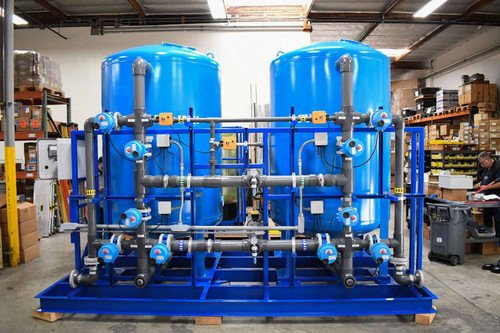
That’s why many families choose water softeners after confirming their home has elevated mineral levels. Instead of masking the symptoms, these systems help reduce calcium and magnesium that cause hardness, improving cleaning performance while helping protect household plumbing.
Clean Water Means More Than Clear Water
It’s easy to assume water is fine because it looks clean.
Appearance, however, doesn’t tell the full story.
Water can contain chlorine, sediment, dissolved minerals, or compounds that affect taste and odor without changing how it looks. Even perfectly safe municipal water may leave an unpleasant aftertaste or produce noticeable smells depending on local treatment methods.
Improving water quality isn’t always about safety. Sometimes it’s simply about creating water that tastes better, feels better, and works better throughout the house.
Why Filtration Should Match Your Home
Walk through any home improvement store and you’ll see shelves lined with filters promising pure water. Pitchers, faucet attachments, under-sink units, whole-house systems—it can quickly become overwhelming.
The challenge is that every home has different priorities.
Some families mainly want better-tasting drinking water. Others need to remove sediment that clogs fixtures, while some are dealing with chlorine or unpleasant odors.
Choosing effective water filtration systems starts with understanding your home’s specific needs rather than assuming every filter performs the same job. A targeted solution often delivers better results while avoiding unnecessary maintenance or replacement costs.
Better Water Changes Small Everyday Moments
One of the interesting things about improving water quality is that the biggest differences often appear in ordinary routines.
Coffee tastes richer because unwanted flavors are reduced. Ice cubes become clearer. Fresh vegetables rinse more cleanly. Showers leave hair softer, and soap rinses away without leaving behind a sticky feeling.
Even cleaning becomes easier. Glassware dries without as many spots, faucets stay cleaner longer, and less soap is needed for laundry.
None of these changes feels life-changing on its own. Together, though, they create a home that’s simply more comfortable to live in.
Drinking Water Deserves Special Attention
While whole-house improvements matter, the water you drink every day deserves its own consideration.
Most people consume water directly several times a day, whether it’s in coffee, tea, soups, or simple glasses throughout the afternoon. The better it tastes, the more likely everyone in the household is to stay properly hydrated.
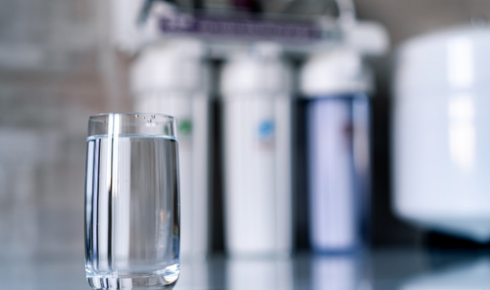
Modern drinking water systems are designed to improve taste while reducing unwanted impurities that may affect flavor or overall quality. Depending on household needs, solutions range from compact under-sink units to advanced reverse osmosis systems that provide consistently clean, refreshing water right from the tap.
Having reliable drinking water available at home also reduces reliance on bottled water, making it both convenient and environmentally friendly.
Maintenance Matters More Than People Think
Installing a treatment system isn’t the final step.
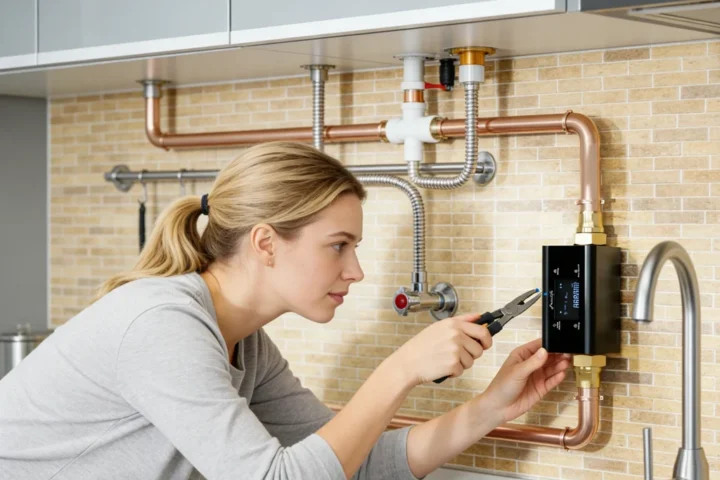
Filters eventually reach capacity. Water softeners require routine servicing, and system performance should be checked periodically to ensure everything continues operating efficiently.
Fortunately, modern equipment is designed with convenience in mind. Many systems include simple maintenance reminders or require only occasional filter replacements throughout the year.
Keeping up with basic maintenance ensures the investment continues delivering reliable performance for years to come.
Making Smarter Decisions Starts With Knowing Your Water
It’s tempting to choose water equipment based on advertisements or online reviews, but those recommendations rarely account for the unique characteristics of your home’s water.
Testing your supply first provides valuable information about hardness, mineral content, sediment, chlorine levels, and other factors that influence performance. That knowledge removes much of the guesswork and helps homeowners select solutions that actually address their specific concerns.
In the end, better water isn’t about chasing perfection. It’s about creating a healthier, more comfortable home where everyday tasks become just a little easier. From cleaner dishes and longer-lasting appliances to fresher drinking water and softer laundry, the benefits quietly add up over time.
And perhaps that’s the best part. Once your water improves, you stop thinking about it altogether—which is exactly how good water should be.