It Usually Starts With a Small Frustration
Most homeowners don’t wake up one morning thinking about water quality. It’s rarely at the top of anyone’s home improvement list. More often than not, the journey begins with a minor annoyance.
Maybe the tap water tastes a little different than it used to. Perhaps white spots keep appearing on dishes fresh from the dishwasher. Sometimes it’s dry skin after a shower or mineral buildup around faucets that finally catches someone’s attention.
The interesting thing about water is that it quietly affects dozens of daily routines. Because it’s always there, we tend to overlook it. Yet when water quality improves, people often notice the difference surprisingly quickly.
From cooking and cleaning to drinking and bathing, water plays a bigger role in our comfort than we usually give it credit for.
Why Water Quality Matters More Than Many People Realize
Water touches nearly every corner of a home. We use it to prepare meals, wash clothes, clean surfaces, and keep ourselves hydrated. When the quality isn’t ideal, the effects can show up in unexpected places.
Hard water minerals may leave residue on fixtures. Certain contaminants can affect taste or odor. Sediment may create cloudiness, while chlorine sometimes leaves behind a noticeable smell.
None of these issues necessarily indicate a major problem. Still, they can influence the way water feels, tastes, and performs throughout the home.
That’s why more homeowners are taking a closer look at their water supply and exploring practical ways to improve it.
Understanding the First Step
One mistake people often make is rushing into a solution before understanding the actual issue.
Water conditions vary dramatically from one location to another. What works perfectly in one neighborhood may be unnecessary or ineffective in another. That’s why testing is often recommended before investing in treatment equipment.
A water analysis provides valuable information about mineral content, sediment levels, and other characteristics that may affect household water quality. With that knowledge, homeowners can make informed decisions rather than relying on assumptions.
Think of it as getting a proper diagnosis before choosing a treatment plan. It simply makes sense.
Choosing the Right Equipment
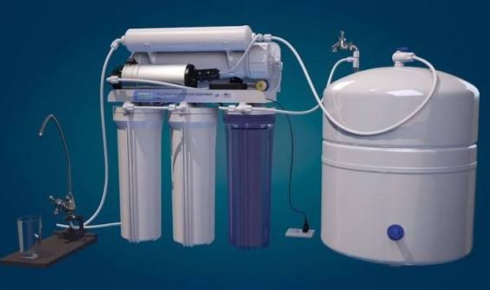
Modern water treatment systems come in many forms. Some focus on improving taste and odor, while others address hardness minerals or specific contaminants.
The key is finding equipment that aligns with the home’s actual needs. Bigger isn’t always better. More expensive isn’t automatically more effective.
A well-designed system should solve real problems without adding unnecessary complexity. That’s one reason professional guidance can be helpful, especially when evaluating multiple treatment options.
The goal isn’t to purchase the most advanced technology available. It’s to find a solution that works reliably for your specific water conditions.
Why Professional Installation Makes a Difference
Even the best filtration or treatment equipment can underperform if it’s installed incorrectly. Water systems often involve plumbing connections, pressure considerations, drainage requirements, and proper configuration.
A professional installation service helps ensure the equipment operates as intended from the very beginning. Technicians can identify potential challenges, confirm compatibility with existing plumbing, and verify that the system is functioning correctly before it goes into regular use.
For many homeowners, this step removes a significant amount of uncertainty. Instead of wondering whether everything was connected properly, they can focus on enjoying the benefits of improved water quality.
It’s one of those situations where doing the job right the first time often saves time, money, and frustration later.
Water Treatment Isn’t a Set-It-and-Forget-It Solution
One common misconception is that water treatment systems require no attention after installation.
In reality, even high-quality equipment benefits from routine care. Filters need replacement. Components should be inspected periodically. Performance checks help ensure the system continues delivering expected results.
That’s where a reliable maintenance service becomes valuable. Scheduled maintenance can help identify small issues before they become larger problems and keep equipment operating efficiently over the long term.
The good news is that modern systems are generally designed to make maintenance straightforward. In many cases, routine service is simple, predictable, and far less demanding than homeowners initially expect.
A little preventative attention often goes a long way.
The Everyday Benefits People Notice
One of the most interesting things about improving water quality is how many benefits appear in daily routines rather than dramatic moments.
Coffee tastes cleaner. Ice cubes become clearer. Soap rinses away more easily. Glassware looks better after washing.
Many homeowners report that they start drinking more water simply because it tastes better. Others appreciate reduced cleaning demands as mineral residue becomes less noticeable around sinks and fixtures.
These improvements may seem small individually, but together they create a noticeably more comfortable home environment.
It’s a reminder that quality of life is often shaped by everyday experiences rather than major events.
Looking Beyond Drinking Water
While drinking water often receives the most attention, the effects of improved water quality extend much further.
Laundry may feel softer. Appliances can operate more efficiently. Water heaters, dishwashers, and washing machines often benefit from reduced mineral accumulation.
Over time, these improvements may contribute to lower maintenance costs and better overall performance throughout the home.
That’s one reason many homeowners view water treatment as both a comfort upgrade and a practical investment.
The benefits aren’t limited to a single faucet—they can influence the entire household.
The Growing Interest in Water Quality Improvement
As awareness continues to grow, more families are prioritizing water quality improvement as part of their overall home maintenance strategy.
People today pay close attention to what they eat, the products they use, and the environments they create for their families. Water naturally fits into that conversation.
Rather than waiting for noticeable problems to develop, many homeowners are choosing proactive solutions that help maintain consistent water quality throughout the year.
It’s not about chasing perfection. It’s about creating confidence in something we rely on every single day.
A Better Home Often Starts With the Basics
Home improvement projects often focus on what we can see. New countertops, upgraded lighting, fresh paint, and modern flooring all have their place.
Yet some of the most meaningful improvements happen behind the scenes.
Water quality is one of those hidden factors that quietly influences comfort, convenience, and household efficiency. Because water touches nearly every aspect of daily life, even modest improvements can create lasting benefits.
At the end of the day, investing in better water isn’t really about equipment or technology. It’s about making everyday experiences a little better—whether that’s a cleaner glass of water, a more enjoyable shower, or simply the peace of mind that comes from knowing your home’s water is working for you rather than against you.
And honestly, that’s a pretty worthwhile investment.