It’s funny how much effort we put into choosing fresh ingredients, buying quality coffee, and preparing healthy meals, yet rarely give the water coming from our kitchen faucet a second thought.
Water is involved in nearly everything we consume. When its taste isn’t particularly pleasant, we often compensate by adding lemon, purchasing bottled water, or keeping a filter pitcher in the refrigerator.
But improving your household water could be a more practical long-term solution.
Whether you’re interested in drinking more water throughout the day or reducing your dependence on plastic bottles, having conveniently accessible, appropriately filtered water at home can make a noticeable difference.
Reverse osmosis is one treatment technology worth exploring, especially when conventional filtration doesn’t adequately address your water quality concerns.
What Makes Reverse Osmosis an Effective Treatment Method?
Ordinary water filters can accomplish quite a bit, but they aren’t all designed to reduce the same substances. Sediment filters capture suspended particles, while activated carbon helps address selected unwanted tastes, odors, and chemical compounds.
Reverse osmosis takes water treatment a step further.
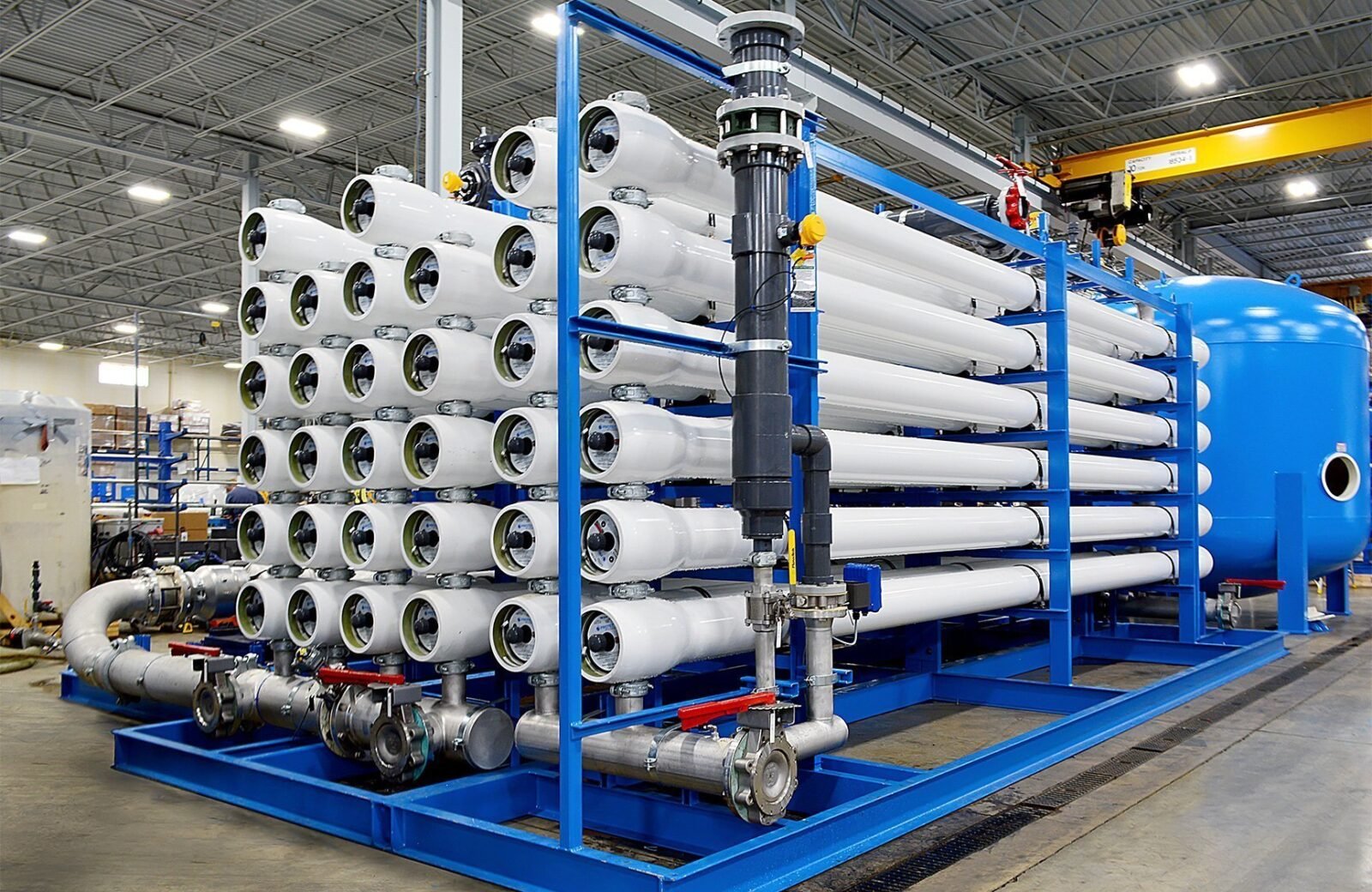
Using water pressure and a semipermeable membrane, the process reduces many dissolved salts, minerals, and selected contaminants that basic filtration might not effectively address.
Additional filtration stages often help protect the membrane and improve certain taste characteristics.
For homeowners, the appeal is relatively straightforward. You can have treated water available directly from a dedicated faucet without repeatedly purchasing bottles or waiting for a filter pitcher to refill.
However, performance varies depending on the system, incoming water conditions, and maintenance practices.
It’s worth checking verified contaminant reduction capabilities before purchasing equipment, particularly if you’re concerned about specific substances in your water supply.
Getting Your Reverse Osmosis System Installed Properly
Buying filtration equipment is only half the process. Proper installation can influence its performance, convenience, and long-term reliability.
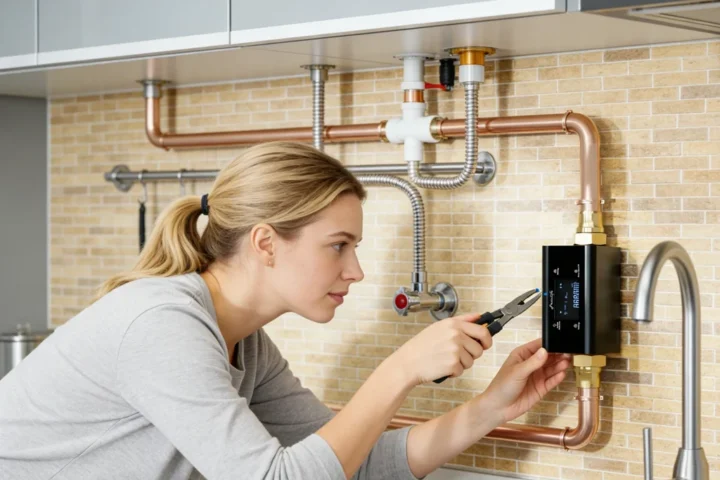
Professional reverse osmosis system installation typically involves assessing incoming water pressure, identifying appropriate plumbing connections, and finding a suitable location for the equipment.
Many residential systems are installed beneath the kitchen sink, keeping filtration components tucked away while maintaining convenient access to treated water.
Before arranging installation, consider a few practical details:
- Available cabinet space for filtration components.
- Incoming water pressure and cold-water supply connections.
- Treated water storage or on-demand production capacity.
- Appropriate drainage arrangements for the concentrate stream.
- Accessibility for cartridge replacements and routine maintenance.
- Daily household water consumption.
Take a moment to look beneath your kitchen sink. Between cleaning products, existing pipes, and other household supplies, there might be considerably less room than you initially expected.
A qualified installer can help identify an arrangement that works comfortably within the available space.
It’s also useful to understand how to shut off the water supply to the equipment if maintenance becomes necessary.
Finding a Treatment Approach That Matches Your Water Conditions
Not every household experiences the same water quality concerns. Some families dislike a noticeable chlorine aftertaste, while others may have concerns involving dissolved minerals or particular contaminants.
Appropriate RO drinking water treatment should be selected according to measured water conditions rather than assumptions about what a filtration system might accomplish.
For instance, a suitable activated carbon filter could be sufficient when unpleasant disinfectant-related taste is the primary concern. Membrane treatment may be more appropriate when certain dissolved substances need to be reduced.
Municipal water customers can review their utility’s water quality reports and arrange additional testing when necessary.
Private well owners should pay particular attention to appropriate laboratory testing for bacteria, nitrates, and other potentially harmful contaminants.
Remember, water that looks perfectly clear and tastes pleasant isn’t automatically safe to consume.
Reliable information helps homeowners choose equipment with realistic expectations and avoid spending money on treatment stages they don’t necessarily need.
Better Water Can Make Everyday Kitchen Activities More Enjoyable
Think about the amount of water you use when preparing meals. There’s the water in homemade soup, the kettle you fill several times throughout the day, and the ice cubes added to your favorite beverages.
Reducing certain unpleasant tastes and odors may help the natural flavors of these foods and drinks stand out.
Coffee is a particularly interesting example. Water composition influences extraction and flavor, although removing as many minerals as possible isn’t necessarily ideal for every brewing method.
Some homeowners may appreciate optional remineralization features, depending on their preferences.
There’s also the simple convenience of filling a reusable bottle before heading out for work, school, or an afternoon walk.
Small conveniences like these can gradually change everyday habits.
Consider Maintenance and Water Efficiency Before Buying
Like any household appliance, reverse osmosis equipment requires ongoing attention.
Filtration cartridges eventually reach the end of their useful capacity, membranes may require replacement, and storage components may need periodic sanitation.
Follow manufacturer recommendations and keep a record of servicing dates.
Water efficiency deserves consideration, too. The treatment process produces a concentrate stream, so ask about water recovery rates and operating expenses when comparing equipment.
Understanding these responsibilities beforehand can help prevent unexpected costs and preserve treatment performance over time.
Make Better Water an Ordinary Everyday Comfort
Improving household water quality doesn’t have to involve complicated equipment or unnecessary expenses. Begin with reliable testing, compare suitable technologies, and choose a system that fits your family’s requirements.
Perhaps you’ll enjoy your morning tea a little more, purchase fewer plastic bottles, or simply appreciate having fresh-tasting water available whenever you’re thirsty.
These aren’t extravagant improvements, but they’re meaningful ones.
After all, water is something we depend on every single day. Giving its quality a little extra attention is an investment in everyday comfort that can continue delivering practical benefits for years.