Clean water is one of those things we rarely think about until there’s a reason to worry. Whether we’re making coffee in the morning, washing dishes, taking a shower, or filling a glass for the kids, we expect water to be clean and safe. It’s a basic part of daily life. But behind the scenes, a plumbing system needs proper protection to ensure contaminated water doesn’t accidentally flow back into the clean supply.
Backflow prevention plays a crucial role in maintaining that protection. A small mechanical device installed within a plumbing system can help prevent serious contamination risks, yet it often goes unnoticed for years. Like most plumbing components, it needs occasional inspection, testing, and maintenance to continue doing its job properly.
Understanding How Backflow Happens
Water normally moves through pipes in one direction, from the supply toward faucets, appliances, and other fixtures. Backflow occurs when water reverses direction because of a change in pressure. This can happen when the supply pressure suddenly drops or when pressure increases within another part of the plumbing system.
For example, imagine a garden hose submerged in a bucket containing dirty water. If water pressure in the main supply drops unexpectedly, contaminated water could potentially be pulled back into the plumbing. Similar risks exist around irrigation systems, commercial equipment, swimming pools, and certain industrial connections.
The problem isn’t always visible. Contaminated water may enter plumbing lines without producing obvious warning signs, making prevention much more important than waiting until someone notices a change in water quality.
Why Backflow Prevention Equipment Matters
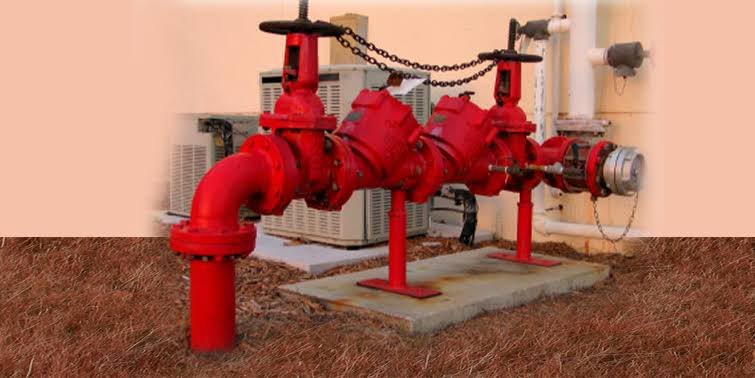
Backflow prevention devices are designed to protect drinking water by stopping unwanted reverse flow. Different assemblies are used depending on the type of plumbing connection, potential contamination risk, and local requirements.
These devices may contain check valves, springs, seals, and other mechanical components that work together to keep water moving in the proper direction. Over time, however, these parts can wear down, become obstructed by debris, or lose their ability to maintain the required pressure conditions.
Professional backflow prevention services help property owners ensure that protective assemblies are installed correctly, inspected regularly, and functioning as intended. This is especially important for commercial buildings, restaurants, irrigation systems, healthcare facilities, and properties with complex water connections.
Proper protection isn’t just about installing a device and forgetting it. The equipment needs to remain in good working condition throughout its service life.
The Importance of Regular Backflow Assembly Maintenance
Like any mechanical plumbing equipment, backflow assemblies can deteriorate gradually. Small leaks, corrosion, damaged seals, mineral buildup, or debris inside the valves may interfere with their operation.
Routine backflow assembly maintenance helps identify these problems before they become more serious. A technician may inspect the exterior, examine accessible components, clean certain parts, and check whether the assembly is operating properly. Depending on the equipment and its condition, maintenance may also involve replacing worn internal components.
Outdoor backflow devices deserve extra attention because they’re exposed to temperature changes, rain, dust, landscaping activities, and accidental damage. Keeping the area around the assembly clear makes inspection and maintenance easier.
Property owners should also avoid covering the device with soil, placing heavy objects around it, or allowing vegetation to block access. These small details can make a difference when an inspection or emergency repair is needed.
When Repair Is Enough and When Replacement Makes Sense
Not every backflow problem requires a completely new assembly. Sometimes, the issue is a worn seal, a faulty spring, or a small component that can be replaced without changing the entire device.
However, equipment that’s heavily corroded, repeatedly failing tests, or no longer suitable for the plumbing system may need replacement. A qualified technician can evaluate whether repairing the existing assembly is practical or if installing a new one would provide better long-term reliability.
Professional backflow testing and replacement may be necessary when a device cannot be restored to acceptable operating condition or when the plumbing setup requires an updated assembly. After repair or replacement, the system should be tested according to applicable procedures to confirm that it works correctly.
Choosing the right solution upfront can help prevent repeated service calls and unnecessary expenses.
Why Professional Testing Shouldn’t Be Overlooked
Backflow testing requires specialized equipment and knowledge of pressure conditions inside the assembly. A device may look fine externally while its internal components aren’t performing as expected.
Qualified technicians use appropriate testing procedures to measure performance and identify potential failures. Depending on local regulations and the type of assembly, testing may also need to be performed by an approved or certified professional.
Property owners should keep copies of test reports, repair records, and installation documents. These records are useful for future maintenance and may be required by local water authorities or property management regulations.
Everyday Steps That Help Protect Your Water System
While professional inspection is important, property owners can also take a few simple precautions. Check for visible leaks, keep the device accessible, and pay attention to unusual changes around the plumbing connection.
If you notice water pooling near the assembly, damaged fittings, corrosion, or signs of physical impact, arrange an inspection rather than attempting to dismantle the equipment yourself.
Regular plumbing maintenance, combined with responsible water use, can help reduce the likelihood of unexpected problems.
Protecting Water Quality Starts with Small Details
Backflow prevention may not be the most exciting part of property maintenance, but it has a very important purpose. It helps protect the water supply that people rely on every single day.
By arranging routine inspections, addressing worn components promptly, and keeping plumbing equipment in good condition, homeowners and businesses can take a practical step toward protecting water quality. Sometimes, the most valuable plumbing work is the kind that quietly prevents a problem before anyone notices it.