Buying a home comes with a long list of responsibilities, and water quality doesn’t always make it to the top. Between maintaining the air conditioning, looking after appliances, and keeping up with household repairs, it’s easy to overlook what’s flowing through your pipes. That is, until unpleasant odors, cloudy water, or recurring mineral deposits become difficult to ignore.
Investing in suitable home water treatment and filtration can help Tampa Bay homeowners address these everyday concerns while creating a more comfortable living environment.
However, finding the right equipment isn’t about buying the most expensive system available. It’s about understanding your water supply, recognizing your household’s priorities, and choosing treatment that provides practical benefits without unnecessary complications.
Start by Understanding Your Household Water Quality
Before shopping for filtration equipment, take a moment to consider what’s bothering you about your water. Is there an unpleasant smell when you shower? Do small particles occasionally appear in your kitchen sink? Are mineral deposits becoming increasingly difficult to manage?
These observations can provide helpful clues.
Effective filtration for household water quality begins with identifying the substances responsible for these concerns through appropriate testing and assessment.
Municipal water customers can review their supplier’s water quality reports, while private well owners should arrange laboratory testing.
Remember that water can appear perfectly clear and still contain substances that require attention. Relying exclusively on taste, smell, or appearance isn’t enough to determine whether treatment is necessary.
Exploring Different Filtration Technologies
Water treatment equipment comes in several forms, and each technology serves a particular purpose. Understanding these differences can save homeowners considerable time and money.
When comparing whole-home filtration options, consider which contaminants or aesthetic concerns you want the equipment to address.
Sediment filters capture suspended particles such as sand, silt, and rust. Activated carbon filtration helps reduce certain unwanted chemicals, tastes, and odors.
Conventional water softeners address dissolved calcium and magnesium, while specialized filtration equipment may help manage elevated iron concentrations.
Some households benefit from combining complementary technologies. Others may need only a straightforward filtration system.
The important thing is selecting equipment based on documented treatment capabilities rather than impressive advertising claims or the number of filtration stages.
Should You Filter Water at the Main Supply or Individual Faucets?
This is a question worth asking before investing in any treatment equipment.
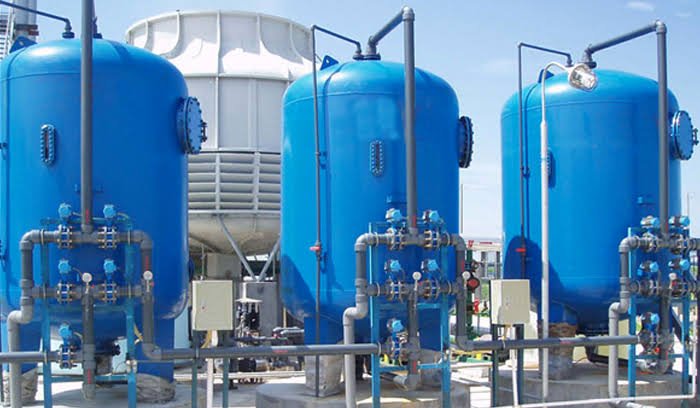
Centralized filtration treats incoming water near the property’s main supply line, allowing connected bathrooms, kitchen fixtures, and appliances to receive treated water.
Individual drinking water filters, on the other hand, focus on specific outlets where treated water is needed.
For instance, a homeowner concerned primarily about drinking water taste might find an under-sink filtration system sufficient. Someone experiencing unpleasant disinfectant odors throughout the house may prefer centralized carbon treatment.
Combining both approaches can also make sense.
There’s no universal answer here. The best arrangement depends on your water conditions, household expectations, and how much treatment is genuinely necessary.
Protecting the Investments You’ve Made in Your Home
Replacing household appliances can be expensive, particularly when several unexpected repairs happen within a short period.
Suspended particles may gradually accumulate inside appliance inlet screens, valves, and smaller plumbing components. Excessive hardness can contribute to mineral scale formation inside water-heating equipment.
Suitable treatment helps reduce the substances responsible for these concerns.
Although filtration and softening cannot automatically repair existing damage, they can complement regular preventive maintenance.
For Tampa Bay homeowners renovating older properties or purchasing new appliances, checking incoming water quality beforehand is a worthwhile precaution.
After all, you’ve probably spent considerable money making your home comfortable. Looking after the equipment that supports your daily routine makes good practical sense.
Finding a System That Fits Your Household’s Water Usage
Imagine hosting relatives for the weekend. Several showers are running, the dishwasher needs attention, and laundry seems to be piling up faster than usual.
Your filtration equipment needs to accommodate those particularly busy moments.
Selecting an undersized system may result in restricted water flow or reduced treatment performance under demanding conditions.
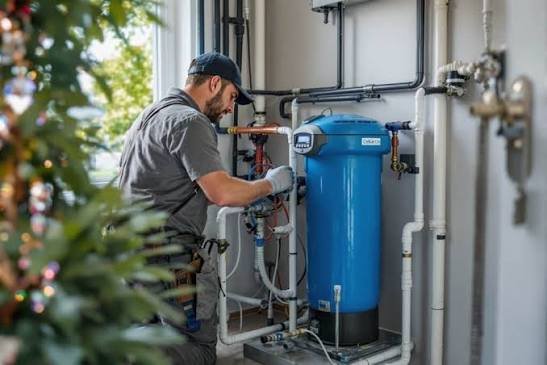
Before purchasing equipment, discuss peak household consumption, incoming pressure, plumbing dimensions, and available installation space with a qualified professional.
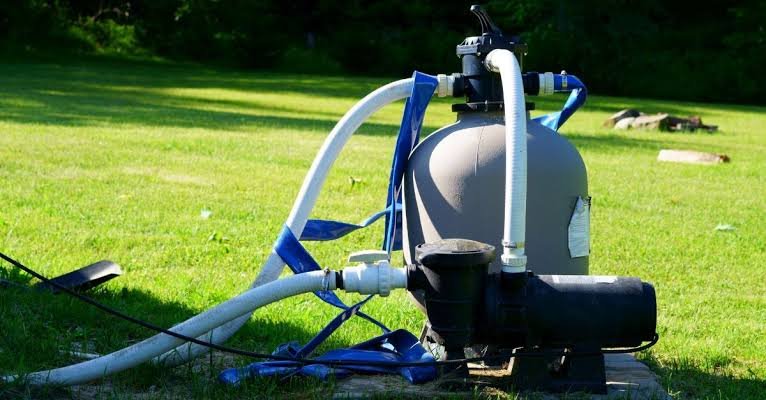
Installation location matters, too. In Florida, equipment placed outdoors or in a garage should be suitable for the environmental conditions it will encounter.
A well-planned installation should make everyday water use more convenient, not introduce another source of frustration.
Looking Beyond the Initial Installation Cost
It’s tempting to focus entirely on the purchase price when comparing filtration equipment. However, long-term ownership expenses deserve just as much attention.
Replacement cartridges, servicing appointments, treatment media, and water consumption can all contribute to ongoing costs.
Ask how frequently components require replacement and whether those parts are readily available.
Maintaining appropriate system hygiene is particularly important when equipment reduces disinfectant residual throughout the property.
Private well owners should also continue regular laboratory testing, regardless of whether filtration has been installed.
Keeping a simple record of maintenance dates and treatment performance can make ownership considerably easier.
Sometimes, spending a little more on suitable, serviceable equipment initially can be preferable to dealing with recurring maintenance difficulties later.
Making Better Water Part of a Comfortable Tampa Bay Home
Living in Tampa Bay offers plenty of opportunities to enjoy sunny afternoons, outdoor meals, and relaxing weekends near the coast. Spending excessive time dealing with recurring water quality frustrations certainly isn’t part of that appeal.
Start with reliable testing, understand what your household genuinely needs, and select filtration equipment with long-term performance in mind.
Perhaps you’ll appreciate more pleasant showers, fewer suspended particles around fixtures, or easier maintenance of connected household appliances.
Better water doesn’t have to be a complicated luxury. It can simply be a thoughtful improvement that supports the activities your family already enjoys.
And when your home works a little better, everyday life tends to feel a little easier, too.