Water Is Easy to Ignore—Until Something Feels Off
Water is one of those things we rely on every single day without giving it much thought. We pour a glass before dinner, start the dishwasher, take a shower after work, or brew the first cup of coffee in the morning. It’s just there, quietly doing its job.
But every now and then, something changes. Maybe the water starts smelling a little strange. Perhaps the shower leaves your skin feeling dry, or white spots suddenly appear on your clean dishes. These little annoyances often seem harmless at first, yet they can be clues that your home’s water deserves a closer look.
The interesting part is that no two homes have exactly the same water. Even houses in the same neighborhood can experience different mineral levels, plumbing conditions, or treatment methods. That’s why understanding what’s happening with your own water is far more useful than relying on assumptions or guessing.
The Small Signs Most Homeowners Overlook
Many water-related problems don’t arrive with a warning label. Instead, they creep into everyday routines so gradually that people simply get used to them.
A faucet develops stubborn mineral deposits. Laundry feels rough after washing. Soap doesn’t lather the way it used to. Coffee tastes slightly different even though you’ve changed nothing else.
These aren’t necessarily emergencies, but they often point toward underlying conditions that can affect both comfort and household efficiency over time.
Learning to recognize these early signs helps homeowners avoid unnecessary repairs and make informed decisions before minor inconveniences grow into expensive problems.
Recognizing the Most Common Water Issues
Every region has its own unique water characteristics, but some concerns appear more frequently than others.
Many homeowners deal with hard water, which leaves scale inside pipes, water heaters, and household appliances. Others notice unpleasant chlorine odors, rusty stains caused by iron, sulfur smells that resemble rotten eggs, or cloudy water resulting from excess sediment.
These common water issues don’t always create immediate health concerns, but they certainly affect daily life. Water that smells unusual, tastes unpleasant, or damages fixtures can quickly become frustrating, especially when the cause remains unknown.
The good news is that identifying the problem is usually the hardest part. Once you know what’s affecting your water, finding an effective solution becomes much more straightforward.
Why Every Home Needs a Different Approach
It’s tempting to believe there’s a universal filter that solves every water problem. Marketing often makes it sound that way.
Reality is a little different.
A family using private well water faces completely different challenges than someone connected to a municipal water supply. One home may struggle with excessive hardness, while another primarily wants to reduce chlorine taste. Older plumbing can also influence water quality in ways newer homes never experience.
That’s why personalized recommendations almost always outperform one-size-fits-all products. Water should be treated according to what’s actually present—not according to general assumptions.
Finding the Right Water Solutions
Once water has been properly evaluated, choosing the right equipment becomes much easier.
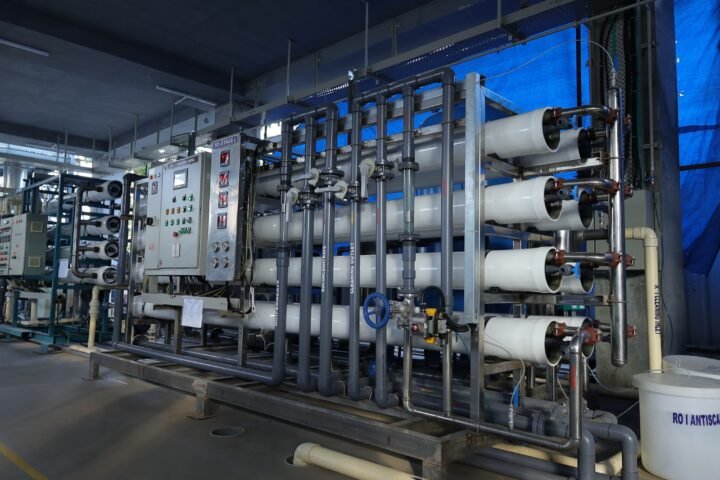
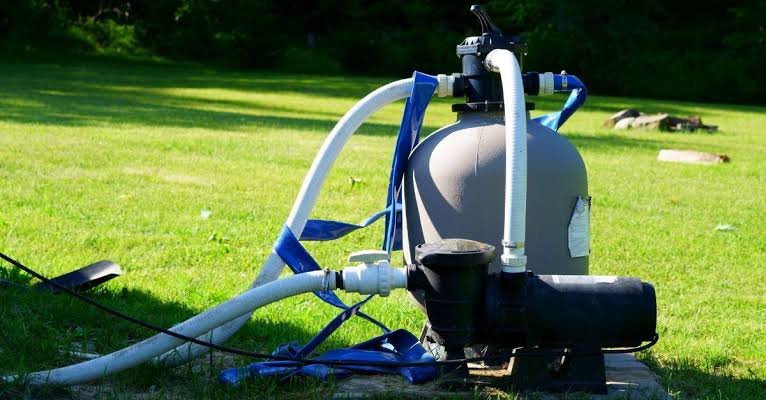
Modern water solutions range from simple carbon filtration systems that improve taste and odor to advanced whole-house filtration, water softeners, reverse osmosis units, ultraviolet purification, and specialty systems designed for iron or sulfur removal.
Not every home needs the most expensive setup.
In many situations, a carefully selected system tailored to the home’s actual water conditions performs better than a larger, more complicated installation. The goal isn’t buying the biggest filter available—it’s solving the right problem efficiently and reliably.
Water Affects More Than Just Drinking
People naturally think about drinking water first, but that’s only a small part of the picture.
Water flows through washing machines, coffee makers, dishwashers, showers, water heaters, and plumbing every single day. Poor water conditions can shorten appliance life, increase maintenance costs, and even make routine cleaning more difficult.
Hard water, for example, allows mineral deposits to build inside heating elements and pipes. Over time, appliances may require more energy to perform the same tasks. That hidden cost often goes unnoticed until repairs become necessary.
Improving household water isn’t just about comfort. It can also help protect some of the most expensive equipment inside the home.
Testing Before Buying Makes Sense
One of the biggest mistakes homeowners make is purchasing filtration equipment before understanding what’s actually wrong.
It’s a little like buying prescription glasses without an eye exam.
Instead of guessing, many homeowners begin with a free home water test to identify the specific characteristics of their water supply. Testing often measures hardness, chlorine, iron, pH balance, dissolved solids, and other important factors that influence both water performance and household comfort.
Those results provide valuable direction, allowing homeowners to invest in systems that truly address their needs instead of relying on trial and error.
Better Water Quietly Improves Everyday Life
The benefits of improved water don’t always arrive in dramatic ways.
You might first notice that coffee tastes smoother. Towels feel softer after washing. Soap rinses more easily. Shower doors stay cleaner longer. Glasses come out of the dishwasher without cloudy spots.
Individually, those improvements seem small.
Together, however, they create a noticeably better experience throughout the home. Water becomes something you simply enjoy instead of something that constantly causes little frustrations.
Sometimes the best home upgrades are the ones people stop thinking about because they simply work every day.
A Smarter Way to Care for Your Home
Every homeowner wants to protect their investment, and water plays a surprisingly important role in that goal.
Understanding what’s flowing through your pipes allows you to make practical decisions that benefit your family, your appliances, and your plumbing system for years to come. Rather than reacting after problems appear, taking a proactive approach often saves both money and unnecessary stress.
Clean, reliable water isn’t about luxury. It’s about creating a healthier, more comfortable place to live.
And sometimes, that journey starts with something surprisingly simple: paying attention to the water you’ve been using all along.