A home’s plumbing system has a way of demanding attention at the worst possible moment. The kitchen sink starts draining slowly just before dinner, the toilet keeps running overnight, or the hot water disappears halfway through a shower. None of these problems seems especially dramatic on its own, but together they can make ordinary household routines surprisingly difficult.
The good news is that many plumbing problems give warning signs before they become serious. A little maintenance, sensible daily habits, and timely professional help can prevent unnecessary damage and extend the life of household fixtures. Knowing what to look for also helps homeowners decide which jobs are simple enough to manage themselves and which deserve an experienced plumber.
Keeping Kitchen Drains Clean and Functional
The kitchen sink handles a surprising amount of daily activity. Food preparation, dishwashing, and cleaning all put pressure on the drain, especially in a busy household. Over time, grease, food scraps, soap residue, and other debris can contribute to blockages or unpleasant odours.
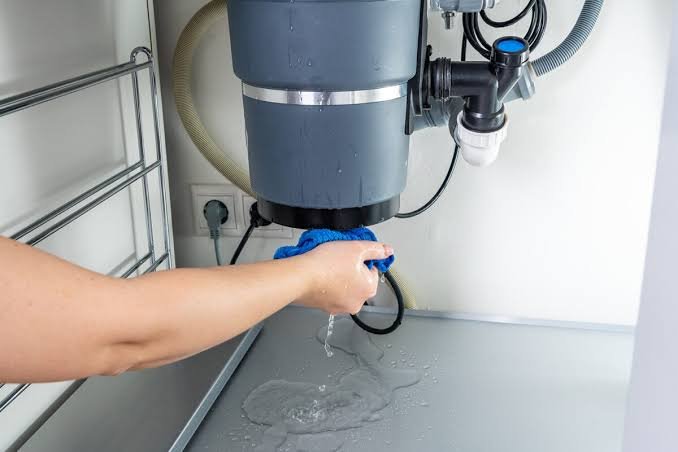
Many homeowners install garbage disposals to make kitchen cleanup more convenient. These units grind suitable food scraps into smaller particles that can travel through the plumbing system. However, they aren’t designed to handle every type of waste. Fibrous vegetables, large bones, grease, cooking oil, and expandable foods can create problems depending on the unit and the plumbing configuration.
Using a disposal correctly starts with reading the manufacturer’s instructions. Run an appropriate flow of cold water during operation if the manufacturer recommends it, feed scraps gradually, and avoid forcing large quantities into the chamber at once. Never put your hand inside the disposal, even when it appears switched off. Disconnect the power using the appropriate method before attempting any permitted maintenance, and contact a professional if the unit remains jammed or makes unusual noises.
It’s also worth remembering that a disposal doesn’t eliminate the need for good drain habits. Scraping plates into the rubbish or compost before rinsing them can reduce the amount of material entering the plumbing system. Grease should be collected separately and discarded after it cools, rather than poured down the sink.
Why Toilet Problems Shouldn’t Be Ignored
Toilets are used every day, so small faults can quickly become frustrating. A toilet that runs continuously may waste a significant amount of water, while frequent clogging can indicate an issue beyond the bowl itself. Weak flushing, water around the base, and unusual gurgling sounds are other signs worth investigating.
Reliable toilet service can help identify problems involving the flapper, fill valve, flush mechanism, seals, or drainage system. Some faults are relatively straightforward to correct, while others may require replacement parts or a closer look at the home’s plumbing.
Homeowners can reduce unnecessary wear by avoiding the disposal of wipes, sanitary products, cotton swabs, paper towels, and other unsuitable materials in the toilet. Even products marketed as flushable may not break down as readily as ordinary toilet paper, particularly in older or sensitive plumbing systems.
If a toilet begins to overflow, stop the water supply using the shutoff valve near the fixture if it is safe and accessible. Avoid repeatedly flushing a blocked toilet, since that can make the situation worse. If several drains are backing up at once, there may be a larger drainage problem that requires prompt professional attention.
Water around the toilet’s base deserves particular care. It might come from a loose connection, condensation, or a failed seal. Rather than assuming the source, have it checked. Continued moisture can damage flooring and allow unpleasant odours to develop beneath the fixture.
Finding Leaks Before They Cause Damage
A small leak rarely looks urgent at first. Perhaps there’s a damp patch beneath the kitchen sink or a drop of water forming around a pipe connection. The trouble is that even a slow leak can damage cabinetry, walls, insulation, and flooring when it continues unnoticed.
Check exposed plumbing periodically, especially beneath sinks, near washing machines, and around water heaters. Look for corrosion, water stains, warped materials, and persistent dampness. If your water bill rises unexpectedly, compare it with previous bills and consider whether a hidden leak could be responsible.
A sudden loss of water pressure, the sound of water running when everything is switched off, or unexplained wet spots outdoors may also point to a supply-line problem. If a leak appears significant, shut off the main water supply if safe to do so and contact a qualified plumber. Avoid opening walls or digging near buried lines without first understanding where pipes and other utilities are located.
Understanding Water Heater Repairs
Hot water is easy to take for granted until the temperature becomes unreliable. If the shower turns cold unexpectedly, the water heater makes unfamiliar noises, or hot water takes much longer to arrive, there could be a problem with the equipment or its settings.
For a traditional storage-tank unit, possible causes include a faulty thermostat, a worn heating element, sediment accumulation, or a malfunctioning valve. In some cases, the unit may simply be struggling to meet the household’s demand. The correct diagnosis depends on the model, energy source, age, and condition of the equipment.
When homeowners search for leaks l hot water heater repair, the underlying concern is often a leak or another fault affecting the supply of hot water. If water is collecting around the heater, don’t assume it is harmless condensation. The source may be a connection, valve, drain fitting, or the tank itself. A qualified technician can determine whether a repair is appropriate or whether replacement is the safer, more economical option.
Never ignore the smell of gas, signs of electrical damage, or a severely leaking unit. Follow the manufacturer’s emergency guidance, keep clear of potentially hazardous equipment, and contact the appropriate qualified professional or emergency service. Repairs involving gas lines, electrical components, and pressure-related parts should not be improvised.
Maintaining a Tankless Water Heater
Tankless water heaters work differently from conventional storage systems. Instead of keeping a large quantity of hot water in a tank, they heat water as it passes through the unit. This design can save space and reduce standby heat loss, but the system still needs suitable installation and maintenance.
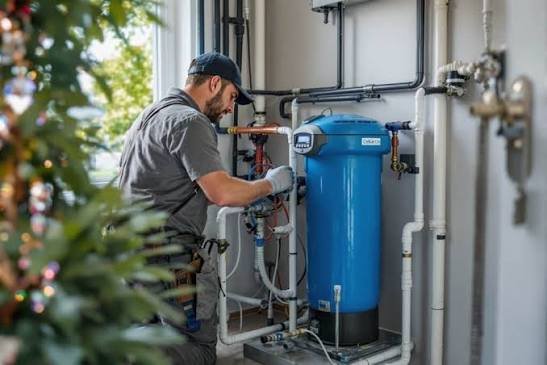
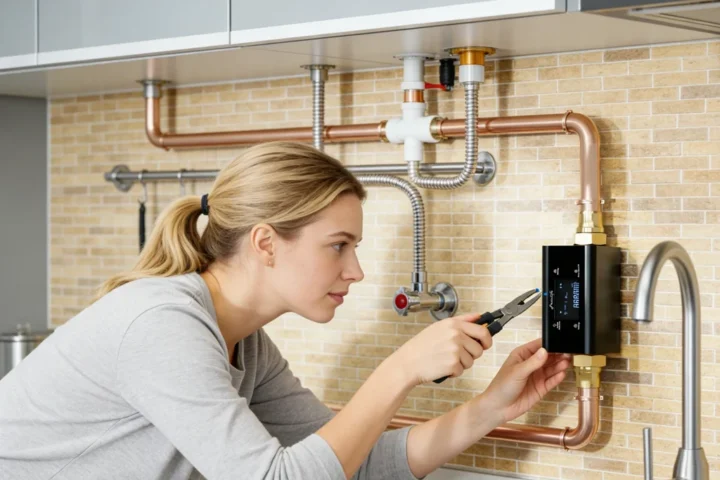
Regular tankless hot water heater service can help preserve performance and identify developing issues. Depending on the model and local water conditions, maintenance may involve inspecting filters, checking connections, and removing mineral scale from the heat exchanger. Hard water can make this particularly important because accumulated deposits may affect heat transfer and water flow.
Homeowners should follow the manufacturer’s maintenance schedule rather than assuming every system needs identical care. If the unit displays an error code, produces inconsistent temperatures, or struggles when multiple fixtures are running, note the symptoms before arranging service. That information can help the technician narrow down possible causes.
It’s also wise to consider the system’s capacity. A tankless unit must be sized to meet the household’s expected demand, taking incoming water temperature and simultaneous fixture use into account. Choosing an undersized unit may lead to disappointing results even when the equipment is functioning correctly.
A Few Habits That Make a Real Difference
Plumbing maintenance doesn’t need to become another demanding household chore. A quick monthly check can reveal dripping faucets, damp cabinet floors, slow drains, or unusual water-heater behaviour. Keep the areas around plumbing equipment accessible, and avoid storing items where they could conceal a leak.
It helps to know where the main water shutoff is located, too. In a plumbing emergency, being able to turn off the supply quickly can reduce damage while professional help is on the way. Keep records of significant repairs and equipment servicing so recurring problems are easier to identify.
Protecting Your Home One Repair at a Time
A dependable plumbing system is built on more than good equipment. It also depends on everyday habits, regular attention, and knowing when a problem needs professional assessment. Kitchen drains, toilets, pipes, and water heaters all benefit from care before a minor fault becomes a major disruption.
Notice the warning signs, avoid putting unnecessary strain on fixtures, and address leaks or recurring problems promptly. These small decisions can help conserve water, protect your home, and keep daily routines comfortable without turning every plumbing issue into an expensive project.