A good water filtration system is supposed to make life simpler. That sounds obvious, but it’s easy to forget when comparing models, reading technical specifications, and trying to figure out which features actually matter.
Most people don’t wake up in the morning excited to think about filter cartridges or water pressure. They just want to turn on the tap and have good-quality water available when they need it. For drinking, cooking, coffee, filling reusable bottles, and all those ordinary moments that quietly fill a day.
Modern water filtration systems can do much more than simply pass water through a filter. Some include features designed to reduce waste, monitor performance, and make maintenance easier to manage. These additions may seem small on paper, but they can make a noticeable difference over the years.
The trick is understanding which features genuinely suit your household and which ones are simply nice extras.
Convenience Matters More Than Most People Realize
Think about the last appliance you bought for your home. Chances are, convenience played a role in your decision.
A dishwasher saves time. A programmable thermostat makes heating and cooling easier to manage. Even a coffee machine feels more useful when it remembers your preferred settings.
Water filtration works the same way.
The basic job of a filtration system is important, of course. But the experience of owning that system also matters. If maintenance is confusing or the equipment wastes more water than necessary, even a technically advanced system can become frustrating.
That’s why many newer systems include practical features designed around everyday use rather than just laboratory performance.
For homeowners, the ideal setup is usually one that quietly does its job without constantly demanding attention.
Reducing Unnecessary Water Waste
Water conservation has become an important consideration for many households. Some advanced filtration systems are designed with Automatic shut-off to conserve water, helping control the flow when certain conditions are met.
This type of feature can be particularly useful in systems that store filtered water in a tank. Once the tank reaches its intended capacity, the system can stop or limit production rather than continuing to process water unnecessarily.
It may not seem dramatic, but efficiency often comes down to these small details.
A system that manages its operation intelligently can help reduce unnecessary water use while also preventing excess strain on some components. Over time, those little efficiencies may contribute to a smoother ownership experience.
Of course, actual water usage depends on the design of the system, incoming water pressure, household demand, and several other factors. No single feature magically makes every filtration system equally efficient.
Still, thoughtful design can make a real difference.
Keeping an Eye on System Performance
One of the challenges with traditional filtration systems is that everything happens out of sight.
The filters are often hidden beneath a sink or inside a housing. The system may appear to work normally even when a filter is nearing the end of its recommended service life.
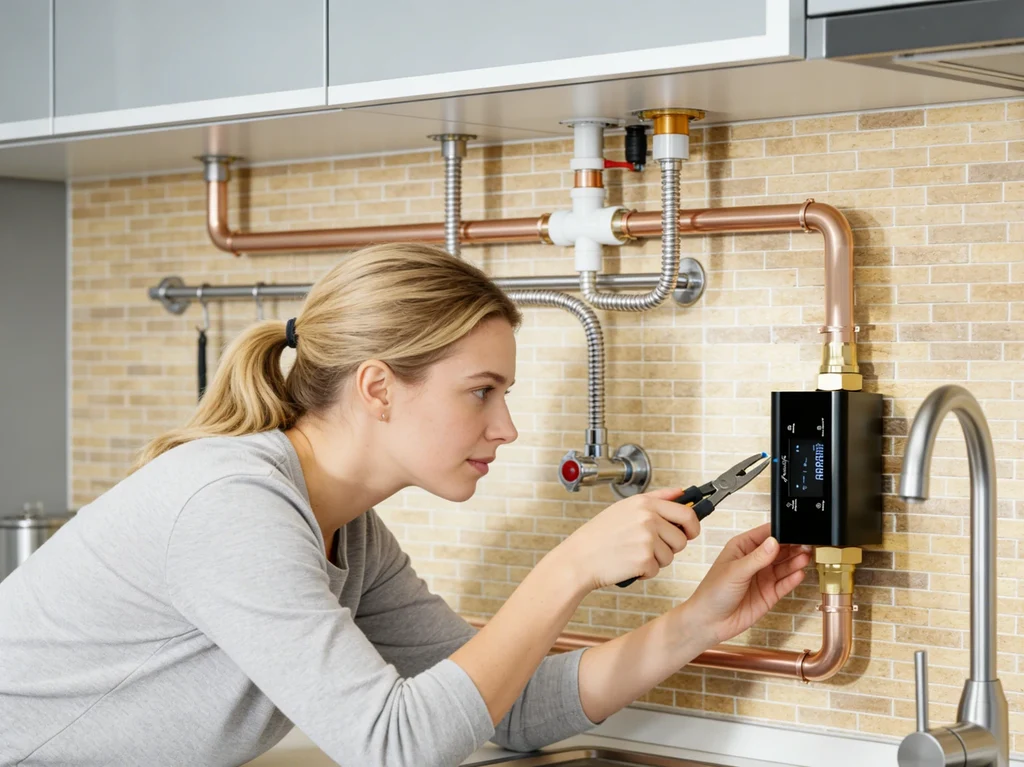
That’s where an Optional electronic monitor can be useful.
Depending on the system, monitoring features may track filter life, water usage, or other performance indicators. Instead of relying entirely on memory, homeowners may receive a reminder when it’s time to inspect or replace certain components.
Anyone who has ever forgotten an important maintenance task can probably appreciate this.
Life gets busy. Calendars fill up. The last thing most people remember is the exact month they installed a water filter. A built-in reminder can remove some of that guesswork.
Still, electronic monitoring should be viewed as a convenience tool rather than a substitute for proper maintenance and inspection. Homeowners should follow the manufacturer’s instructions and pay attention to any changes in water flow, taste, or system performance.
Why Filter Replacement Shouldn’t Be Ignored
Every filter has a working life.
As water passes through the system, filtration media gradually collects particles or becomes less effective at reducing the substances it was designed to target. Eventually, replacement becomes necessary.
It’s not a flaw. It’s simply how filtration works.
A system can be expensive and well-built, but it still depends on regular maintenance. Ignoring that maintenance may reduce performance and create unnecessary problems later.
That’s why knowing when filters need changing is one of the most practical parts of owning a water treatment system.
Replacement schedules can vary widely. Some filters may last only a few months, while others are designed for longer service periods. Water quality and household usage can also influence how quickly a filter reaches the end of its useful life.
Before buying a system, it’s worth asking about these details. How often are replacements required? Are the cartridges easy to install? What do replacement filters cost?
The answers can affect the long-term value of the system far more than the initial purchase price alone.
Simple Maintenance Can Make a System More Useful
Nobody wants to spend an entire Saturday trying to figure out how to replace a filter.
Fortunately, many modern systems are designed with easier maintenance in mind. Quick-change cartridges, accessible housings, and clear replacement instructions can make a routine task much less intimidating.
Ease of maintenance is sometimes overlooked when people compare filtration systems. Buyers may focus on the number of filtration stages, the size of the unit, or the list of advertised features.
Those things can matter, but everyday usability matters too.
A slightly simpler system that is properly maintained can often be more useful than a complicated setup that homeowners struggle to service.
It’s similar to owning a car. Regular maintenance isn’t particularly exciting, but when the process is manageable, you’re much more likely to stay on schedule.
Choosing Features That Actually Fit Your Home
Not every household needs the same water filtration setup.
A small apartment with one or two people may have very different water needs compared with a busy family home. Water usage, available installation space, source water quality, and personal preferences can all influence the best choice.
Someone who travels frequently might appreciate automatic monitoring because maintenance reminders are easy to overlook. A larger household may be more focused on system capacity and filter lifespan. Another homeowner may place water efficiency at the top of the list.
There is no universal winner.
The best approach is to start with the water itself. If there are concerns about taste, odor, sediment, hardness, or other characteristics, testing can help identify what needs to be addressed.
Once the treatment requirements are clear, convenience features can be considered as part of the overall decision.
That order matters. It makes little sense to buy a beautifully designed system with every smart feature imaginable if it doesn’t actually address the water problem in your home.
Technology Should Make Water Treatment Less Complicated
The best technology often feels almost invisible.
You don’t want to constantly adjust settings, worry about leaks, or wonder whether the system is doing its job. Ideally, the equipment should fit into your routine and quietly handle the work in the background.
Automatic controls can help manage water production. Monitoring tools can make maintenance schedules easier to follow. Well-designed filter systems can reduce the hassle of routine replacements.
None of these features are necessarily essential for every household, but together they show how water treatment equipment has become more user-friendly.
The goal isn’t to turn a kitchen sink into a high-tech control center. It’s simply to remove some of the small frustrations that come with managing household water.
A Better System Is About More Than Fancy Features
When shopping for water filtration equipment, it’s easy to be distracted by impressive-looking specifications and long lists of features.
But the most useful system is usually the one that solves your specific problem, fits your home, and can be maintained without unnecessary stress.
Smart features can certainly improve the experience. Automatic controls may support efficiency. Electronic monitoring can help prevent forgotten maintenance. Easy filter replacement can make it more likely that the system receives proper care.
But those features work best when they support a solid foundation: the right filtration technology for the water you actually have.
In the end, a good water filtration system should make life easier, not give you another complicated appliance to manage.
When the right system is properly installed and maintained, you may barely think about it at all. You simply fill a glass, make your coffee, cook dinner, and get on with your day.
And honestly, that’s probably the best kind of technology—the kind that quietly works in the background and lets you forget it’s even there.