The Plumbing Beneath Your Property Matters
Most homeowners think about plumbing in terms of faucets, toilets, showers, and drains. What’s easy to forget is that all of these fixtures depend on a much larger network of pipes hidden beneath the house and property.
Those underground lines rarely get attention when they’re working properly. And that’s exactly how it should be. But when a pipe cracks, shifts, becomes blocked, or simply gets old, the resulting problems can be surprisingly disruptive.
A wet spot in the yard, an unexplained water bill, weak pressure, or a stubborn drain may be trying to tell you something. Learning to recognize those clues can help you deal with a plumbing issue before it turns into a costly emergency.
Spotting a Hidden Water Leak
Water leaks aren’t always dramatic. Sometimes there’s no rushing water or obvious puddle at all.
A water line leak can develop underground and slowly release water into the surrounding soil. You might notice that one section of grass stays greener than the rest, or that the ground remains unusually damp even after several dry days.
Inside the house, unexplained moisture, stains, warped flooring, or the faint sound of running water can also point toward a hidden leak.
Another useful clue is your water bill. If your household’s usage hasn’t changed but the bill suddenly rises, it’s worth investigating. A small leak that continues around the clock can waste far more water than most people realize.
Why Professional Leak Detection Helps
Finding an underground leak isn’t always as simple as following the water back to its source. Water can travel through soil before appearing somewhere else.
Professional plumbers can use specialized locating and inspection equipment to narrow down the affected area. This can reduce unnecessary digging and help determine whether a repair or replacement is appropriate.
It’s an important distinction. You don’t want someone digging up half the yard just to discover the actual problem is several feet away.
A proper diagnosis gives homeowners more confidence before work begins.
Sewer Lines Need Careful Planning
Water supply lines bring clean water into a property. Sewer lines carry wastewater away. Both are important, but sewer infrastructure comes with its own challenges.
Tree roots, aging pipes, ground movement, corrosion, and blockages can all affect sewer lines. Sometimes the issue is a simple obstruction. Other times, the pipe itself may have cracked or collapsed.
New construction brings another set of considerations. Proper sewer line installation requires careful planning around property boundaries, elevations, existing utilities, drainage, and local requirements.
Getting the installation right from the beginning can prevent a lot of frustration later. Nobody wants to discover a poorly positioned sewer connection after the driveway has already been poured.
Understanding the Connection to Municipal Sewers
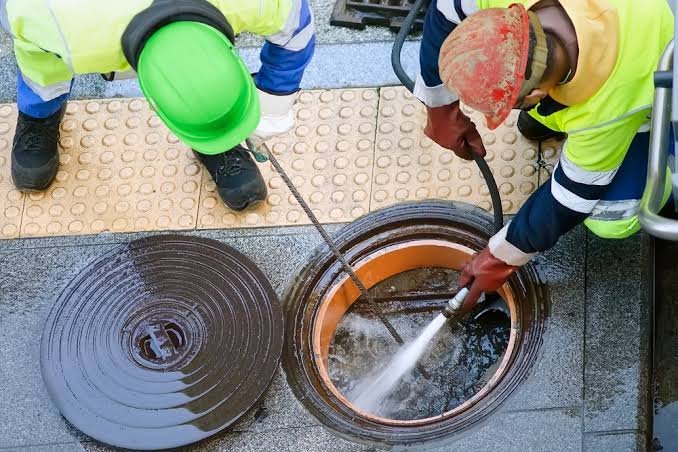
Many homes and businesses depend on municipal wastewater infrastructure. The private sewer line on your property eventually connects to a larger public network.
That connection is important because problems can sometimes occur on either side of it.
Homeowners should understand where their responsibility ends and the municipality’s responsibility begins. Exact rules vary by location, so checking with the appropriate local authority is often worthwhile when a sewer issue develops.
Once wastewater leaves the property and enters the city’s sewer system, it becomes part of a much larger infrastructure network that serves an entire community.
That system needs regular maintenance, upgrades, inspections, and careful planning to keep wastewater moving safely and efficiently.
Signs of a Sewer Line Problem
Sewer problems can begin quietly, but several warning signs deserve attention.
Repeated drain backups are one of the biggest clues, particularly when multiple drains are affected. Gurgling toilets, persistent sewage odors, unusually wet areas of the yard, and slow drainage can also indicate trouble.
Tree roots are another common issue in some neighborhoods. They can enter small cracks or joints and gradually grow inside the pipe, restricting flow.
If the same drain keeps becoming blocked even after cleaning, it may be time to investigate the larger system rather than treating the symptom again and again.
Repair, Replacement, or Something Else?
Once a sewer or water line problem has been located, homeowners usually want to know one thing: “Can we just repair it?”
Sometimes the answer is yes.
A newer pipe with a small damaged section may only need a localized repair. An older line with multiple cracks, corrosion, or repeated failures may make replacement a more sensible long-term option.
The decision should take into account the pipe material, age, location, accessibility, previous repair history, and expected future performance.
There’s no prize for choosing the most expensive option, and there’s no real benefit to choosing the cheapest one if it means repeating the same repair six months later.
The best solution is the one that fits the actual condition of the system.
Minimizing Disruption During Underground Work
One of the biggest concerns homeowners have is what happens to the property during repairs.
Excavation can affect lawns, gardens, driveways, sidewalks, and landscaping. Before work begins, ask the contractor what areas will be disturbed and how restoration will be handled.
Modern diagnostic and repair techniques can sometimes reduce the amount of excavation required. However, underground work still requires careful preparation.
Good communication makes the process easier. Knowing what will happen ahead of time is far better than looking out the window one morning and wondering why there’s a trench across the yard.
Choosing an Experienced Plumbing Professional
When underground water or sewer lines are involved, experience matters.
Look for a licensed and insured plumbing professional who understands both residential systems and local requirements. Ask whether they use inspection cameras or locating equipment when appropriate.
A trustworthy contractor should also explain the problem clearly, discuss available solutions, and provide an estimate before major work begins.
Don’t hesitate to ask questions about materials, timelines, warranties, excavation, and property restoration. You’re not being difficult. You’re making sure you understand the work being done on your property.
Protecting Your Home for the Future
Underground plumbing is easy to ignore because you can’t see it. But that hidden infrastructure plays a huge role in keeping a home comfortable and functional.
Pay attention to unexplained water usage, changes in pressure, wet patches, recurring drain problems, and sewer odors. These signs may be minor, but they’re worth checking before they become major.
Whether you’re dealing with a leak, planning new sewer connections, or trying to understand a municipal sewer issue, professional guidance can save time, money, and plenty of frustration.
Good plumbing work isn’t about making a quick fix and walking away. It’s about understanding the system, solving the actual problem, and leaving the property in better shape than you found it. That’s the kind of work homeowners remember — usually because, afterward, they don’t have to think about their pipes at all.