Most people don’t think much about water until something starts feeling off. It’s usually not dramatic. Nobody wakes up one morning and suddenly declares a household water crisis. Instead, it sneaks in quietly. Your coffee tastes strange lately. The shower leaves your skin feeling dry no matter which soap you buy. Dishes come out of the dishwasher with cloudy spots that somehow never fully disappear.
At first, you blame the detergent. Or the appliance. Or maybe the weather.
Then eventually it clicks — maybe the issue isn’t the products at all. Maybe it’s the water itself.
That realization has pushed more homeowners to start paying attention to water quality in ways previous generations rarely did. And honestly, once you begin noticing the impact water has on daily life, it becomes surprisingly hard to ignore.
Water Quality Isn’t the Same Everywhere
One thing many homeowners don’t realize is how dramatically water conditions can vary depending on location.
Some cities have heavy chlorine treatment. Rural homes using well water may struggle with sediment, sulfur, or iron content. Older neighborhoods sometimes deal with aging plumbing infrastructure that affects what ultimately reaches household taps.
Even homes within the same area can experience different conditions depending on plumbing materials and maintenance history.
That’s why conversations around water quality improvement have become much more common recently. People aren’t simply asking whether their water is technically safe anymore. They want water that tastes better, feels cleaner, and supports healthier living overall.
And honestly, that shift makes sense.
Water touches nearly every part of daily life — drinking, cooking, cleaning, showering, laundry, and appliance performance. When the quality improves, people often notice small but meaningful changes almost immediately.
Hard Water Creates More Frustration Than People Expect
If there’s one household water issue that quietly drives homeowners crazy, it’s hard water.
The tricky part is that many people live with it for years before realizing what’s happening. They assume dry skin is normal. They accept constant faucet buildup as part of regular cleaning. They replace appliances without connecting the problem back to mineral-heavy water slowly damaging equipment from the inside.
But hard water problems affect far more than appearance.
High mineral content forces water heaters and dishwashers to work harder. Soap struggles to lather properly. Towels become stiff after washing. Glass shower doors develop stubborn residue that feels impossible to scrub away completely.
And then there’s the plumbing side of things. Mineral buildup inside pipes can gradually reduce water flow and efficiency over time. It’s rarely catastrophic overnight, which is partly why homeowners often overlook it until repairs become expensive.
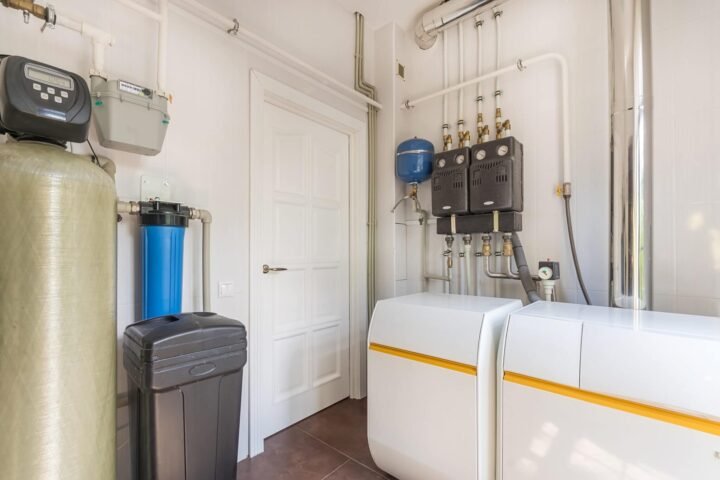
Water softening systems help address many of these issues by reducing calcium and magnesium levels before water travels throughout the home. Once installed, homeowners frequently describe the difference in oddly personal terms.
Showers feel smoother. Hair becomes easier to manage. Laundry feels softer. Tiny irritations disappear quietly in the background.
It’s not flashy, but it genuinely changes the feel of a home.
Better Drinking Water Changes Daily Habits
Another thing homeowners notice quickly after improving water quality is how much it affects drinking habits.
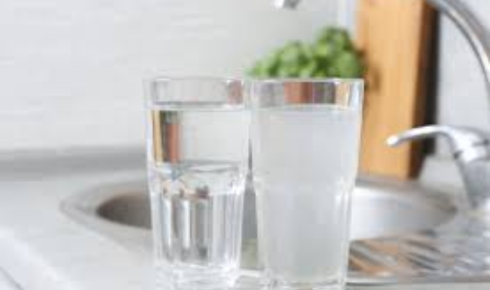
When tap water tastes clean and fresh, people naturally drink more of it. Coffee improves. Tea tastes less bitter. Even simple meals somehow feel better when cooked with properly filtered water.
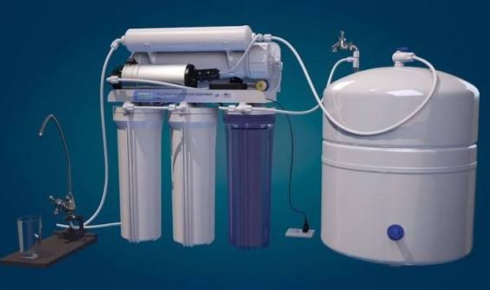
That’s one reason modern water filtration systems have become so popular across both urban and suburban homes. These systems target contaminants, sediment, chlorine, odors, and dissolved solids that affect both taste and quality.
And unlike older bulky filtration setups, many modern systems are compact and surprisingly easy to maintain.
For some households, a basic under-sink filter is enough. Others prefer whole-home solutions that improve water quality across every faucet, shower, and appliance simultaneously. The right solution usually depends on the specific water conditions in the home rather than some generic recommendation online.
That’s why professional water testing matters so much. Guessing tends to waste money. Testing provides actual answers.
Water Impacts More Than Just Health
People naturally associate clean water with health, and that’s obviously important. But there’s another side to the conversation that doesn’t get discussed enough: comfort.
Good water simply makes everyday life easier.
Soap rinses more cleanly. Clothes last longer. Appliances stay in better condition. Showers feel more refreshing. Cleaning takes less effort because mineral residue isn’t constantly building up around sinks and fixtures.
Even the emotional side matters more than homeowners sometimes admit.
There’s peace of mind in trusting the water coming from your tap. You stop buying endless cases of bottled water “just in case.” You stop wondering whether guests notice the odd taste in your sink water. You stop second-guessing whether your appliances are slowly being damaged every day.
That quiet confidence becomes part of normal life surprisingly quickly.
The Best Water Systems Work Quietly in the Background
What’s interesting about home water treatment systems is that the best ones usually become almost invisible after installation.
Nobody walks guests into the utility room to admire filtration equipment. Water softeners aren’t exactly exciting conversation starters during dinner parties. But families experience the benefits constantly without needing to think about them.
That’s probably why more homeowners are viewing water treatment less as a luxury and more as a practical investment in daily comfort and long-term home maintenance.
Because at the end of the day, water affects nearly everything inside a house. When quality improves, routines become smoother in dozens of tiny ways people rarely appreciate until they experience the difference themselves.
And honestly, that’s the best kind of home upgrade — the kind that quietly improves life every single day without demanding attention afterward.