Water plays a quiet but essential role in everyday life. We use it to prepare meals, make coffee, wash fresh produce, and fill drinking glasses throughout the day. Because it’s so familiar, it’s easy to assume that water flowing from a tap will always taste and look the same. In reality, water quality can vary depending on its source, the treatment it receives, and the pipes it travels through before reaching a home or business.
Understanding how water is treated can help people make better decisions about filtration, storage, and everyday consumption. It also clears up some common misconceptions about bottled water, household filters, and the substances that may be present in drinking water. The goal isn’t to worry about every glass of water. It’s to know where your water comes from and how to make informed choices about its quality.
How Public Water Treatment Works
Most public water supplies undergo several treatment steps before water reaches consumers. The exact process depends on the source, whether it’s a river, reservoir, lake, or underground aquifer, as well as the characteristics of the raw water.
In many systems, treatment begins by removing larger particles and suspended material. Coagulation and flocculation may be used to help tiny particles gather into larger clusters, which can then be removed through sedimentation and filtration. Disinfection is another important step, helping control disease-causing microorganisms before water enters the distribution network.
Modern municipal water treatment plants are designed to treat water according to applicable public health standards and regulatory requirements. Operators monitor treatment processes and conduct testing to help ensure the supplied water meets those requirements. Depending on the location and source, additional processes may be necessary to address specific water quality challenges.
Still, treatment doesn’t mean every water supply is identical. Mineral content, taste, hardness, and other characteristics can differ from one community to another. Seasonal changes or maintenance work may also affect the appearance or taste of water temporarily.
If you’re curious about your local supply, check the water quality report published by your utility or relevant authority. It can provide useful information about testing, treatment methods, and detected substances.
What Can Affect Water Quality After Treatment?
Water quality depends on more than what happens at a treatment facility. After treatment, water travels through pipes, storage tanks, service connections, and sometimes the plumbing inside individual buildings. The condition of this infrastructure can influence the water that eventually comes out of a tap.
For example, corrosion in older plumbing may introduce metals into drinking water. Disturbances in distribution pipes can temporarily cause water to look discolored, while poorly maintained storage equipment may create additional concerns. These situations don’t occur everywhere, but they show why distribution and building plumbing matter.
Certain contaminants can be physical, chemical, or biological. Examples include sediment, particular metals, agricultural chemicals, and disease-causing microorganisms. The risks associated with them depend on the substance, concentration, exposure, and how the water is used.
Appearance alone cannot reliably determine whether water is safe. Clear water may contain substances that aren’t visible, while cloudy water may result from air bubbles or suspended particles that don’t necessarily present a health risk.
If your water suddenly changes color, develops an unusual odor, or tastes noticeably different, investigate rather than guessing. Contact your water supplier if you use a public supply, and follow any local advisories. Private well owners should arrange suitable testing, particularly after flooding, repairs, or other events that could affect the source.
Why Some People Choose Bottled Water
Bottled water is convenient. It’s easy to carry to work, pack for a road trip, or keep available when a reliable drinking water source isn’t nearby. Some people also prefer a particular mineral content or taste, which can influence what they buy.
The market for bottled water sales reflects several factors, including convenience, consumer preferences, availability, and perceptions about water quality. But bottled water isn’t automatically better than properly treated tap water in every situation. The quality depends on the source, treatment process, packaging, handling, and applicable regulatory standards.
Reading the label can help you understand what you’re purchasing. Some bottled water comes from protected groundwater sources, while other products may originate from municipal supplies that undergo additional treatment. Mineral content can vary, affecting taste and the way the water feels when you drink it.
Cost is another consideration. Buying individual bottles regularly can become expensive compared with using a reusable bottle filled from a suitable tap or maintained home filtration system. Plastic waste and transportation also have environmental consequences, although the overall impact depends on packaging materials, production, and local recycling systems.
Bottled water can be a useful option in certain circumstances, including emergencies or situations where the safety of the usual supply is uncertain. During a water advisory, follow the instructions issued by local authorities rather than assuming that any bottled product or household filter will address the specific concern.
When Does Home Water Filtration Make Sense?
Household filtration can be helpful, but the right choice depends on the water problem you’re trying to solve. A filter designed to improve taste may not reduce metals or microorganisms, while a system designed for a particular contaminant may not address hardness or mineral buildup.
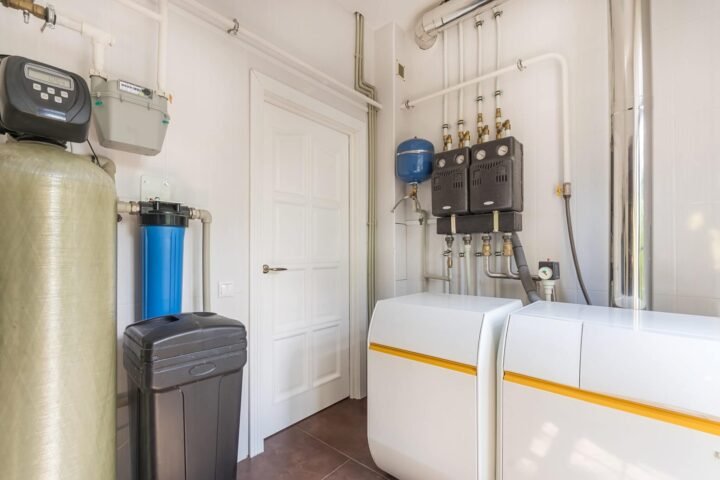
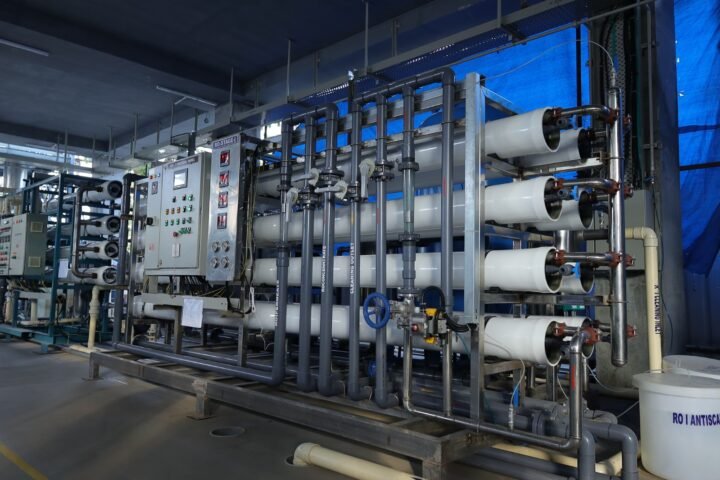
Activated carbon filters can reduce certain tastes and odors, including chlorine-related flavors, when appropriately designed and maintained. Sediment filters capture suspended particles. Reverse osmosis systems can reduce many dissolved substances, depending on the membrane and the system’s verified performance. Ultraviolet treatment can inactivate susceptible microorganisms when correctly installed and operated, but it doesn’t remove dissolved chemicals.
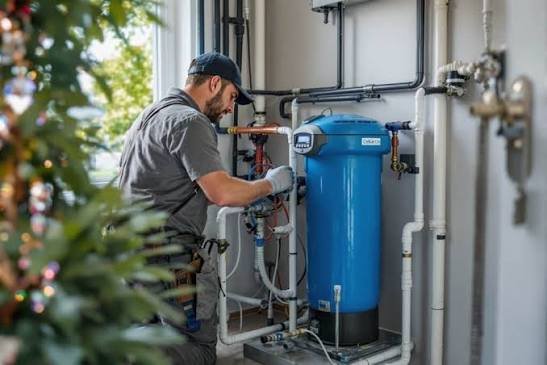
Before purchasing a system, review your water quality information and consider whether testing is needed. Check the manufacturer’s performance claims, certification details, replacement schedule, and operating costs. A filter that isn’t maintained properly may become less effective, even if it was suitable when first installed.
Avoid paying for features you don’t need. If your main concern is chlorine taste, a suitable carbon filter might be enough. If testing identifies a specific health-related concern, you may need a treatment method designed and verified for that particular substance.
Simple Ways to Be More Confident About Your Water
You don’t need to become a water treatment expert to make sensible decisions. A few practical habits can help you stay informed.
Start by identifying your water source and finding the latest available quality report. If you use a private well, establish a testing schedule based on local recommendations. Pay attention to changes in taste, color, or odor, and seek professional guidance when something seems unusual.
If you install a home filtration system, keep a record of filter replacements and servicing. Follow the manufacturer’s instructions, and don’t assume that a filter removes every possible contaminant. During emergencies, use official guidance about boiling water, avoiding consumption, or choosing an alternative supply.
It’s also worth remembering that boiling water is not a universal treatment method. It can help control many disease-causing microorganisms when done according to public health guidance, but it does not remove dissolved metals or most chemical contaminants and can concentrate some substances as water evaporates.
Making Informed Choices for Everyday Drinking Water
Water quality is best understood through reliable information rather than assumptions. Public treatment systems play a vital role in protecting communities, while careful plumbing maintenance, appropriate testing, and well-chosen filtration can help address specific concerns at home.
Bottled water may offer convenience, and household filters may provide useful benefits, but neither should be selected on marketing claims alone. Start with the source, understand the potential issue, and choose a solution suited to the evidence.
After all, water is part of nearly every daily routine. Knowing a little more about where it comes from and how it’s treated can help you enjoy it with greater confidence—without making something as ordinary as filling a glass feel complicated.