Most people don’t think much about water until something starts feeling slightly off. Maybe the dishes never look completely clean no matter how carefully they’re rinsed. Maybe your skin feels dry after every shower, or your coffee tastes different depending on where you make it.
At first, those things seem random. Life gets busy, and people usually blame detergent brands, old pipes, weather changes — anything except the water itself. But over time, many homeowners begin realizing that water quietly affects almost every part of daily life inside a house.
And honestly, once you notice the difference between average water and genuinely good water, it becomes difficult to ignore.
Water Is More Personal Than People Realize
There’s something oddly intimate about household water. You cook with it, wash your clothes in it, drink it several times a day, and stand beneath it every morning in the shower. It touches nearly every routine without asking for attention.
That’s probably why people become surprisingly passionate about improving it once they experience the benefits.
I remember visiting relatives years ago who had recently upgraded their home filtration setup. Nobody gave me a technical explanation or sales pitch. They simply handed me a glass of water and said, “You’ll notice.”
And somehow, I did.
The taste felt cleaner. Softer, even. Not dramatic, just easier somehow. That small moment stuck with me because it showed how subtle improvements can quietly reshape everyday comfort.
Why Hard Water Creates So Many Frustrations
One of the biggest problems homeowners face is mineral-heavy water. In many regions, water naturally contains high levels of calcium and magnesium. Those minerals aren’t necessarily harmful, but they can create dozens of annoying household issues over time.
Soap refuses to lather properly. Faucets develop white residue. Towels lose softness. Appliances slowly collect internal buildup that reduces efficiency without anyone noticing immediately.
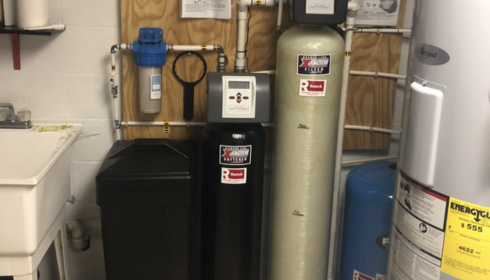
That’s where softened water often changes the experience of an entire home. By reducing excess minerals, softening systems help water behave more naturally during everyday use.
Showers feel smoother. Laundry comes out softer. Glassware looks cleaner after washing. It’s not magic — just better balance in the water itself.
Why Water Treatment Matters More Than Ever
People today pay closer attention to what enters their homes than they used to. Food labels, indoor air quality, cleaning products — awareness has shifted in a big way over the last decade. Naturally, water became part of that larger conversation.
Modern water treatment systems aren’t only about removing visible particles anymore. Many are designed to address taste, odor, sediment, chlorine levels, and other impurities that affect overall household comfort.
And the interesting thing is that homeowners don’t always install these systems because of fear or major health concerns. Sometimes they’re simply tired of replacing appliances too early or scrubbing residue off shower doors every weekend.
Comfort matters too. Convenience matters. Those things count more than people admit.
The Emotional Side of Better Water
There’s a strange peace of mind that comes from trusting the water in your home.
You stop second-guessing the ice cubes in your drinks. You refill reusable bottles automatically instead of constantly buying plastic packs from the store. Cooking feels simpler somehow because you’re not thinking about what’s coming out of the tap.
A friend once told me that upgrading their water system made the house “feel calmer,” which sounded dramatic at first. But honestly, I understood what they meant.
When small daily annoyances disappear — stiff laundry, spotty dishes, dry skin — the home environment genuinely feels easier to live in.
Why Cleaner Water Changes Daily Habits
One thing people rarely expect is how quickly they adjust to having cleaner water available all the time. It becomes part of the background of life almost immediately.
Kids drink more water without complaining about taste. Coffee tastes smoother in the morning. Plants even seem healthier in some homes. Those little shifts add up quietly.
And unlike flashy home upgrades people stop noticing after a month, water improvements continue affecting routines every single day. That consistency makes a bigger impact than many homeowners initially expect.
Choosing the Right System Without Falling for Hype
The market for water systems can feel overwhelming. Every company promises perfect purity, advanced technology, and endless benefits. Honestly, it’s easy for people to overcomplicate the process before they even begin.
The truth is, the right solution depends heavily on your local water conditions and household needs.
Some homes only need basic filtration to improve taste and odor. Others dealing with significant mineral content benefit more from softening systems. Rural properties using well water may require completely different treatment approaches than city homes connected to municipal supplies.
That’s why testing the water first usually makes the most sense. Once you understand what’s actually in the water, decisions become far less confusing.
Better Water Quietly Improves Everyday Living
The funny thing about improving household water is that it rarely feels dramatic in the moment. There’s no giant reveal or overnight transformation. Instead, life simply becomes a little smoother in dozens of tiny ways.
Less scrubbing. Softer laundry. Better coffee. Cleaner dishes. More confidence in what your family drinks every day.
And maybe that’s what people are really searching for when they invest in water systems — not perfection, just reliability. Something basic and essential that works the way it should without creating extra stress.
At the end of the day, water touches nearly every corner of life at home. When it improves, even subtly, the entire rhythm of the house tends to feel better too.